
 Available in US
Content

Why one player can swing a match
Of all the sports I have followed as a bettor, tennis has always struck me as the one most quietly exposed to corruption, and the reason is built into the very structure of the game. In a team sport, fixing a result means corrupting many people. In tennis, a single individual on court controls the outcome entirely. That fact is the root of everything that follows.
Match-fixing means deliberately manipulating the result or course of a match for betting profit, and tennis is structurally more vulnerable to it than most sports. The numbers reflect this exposure: tennis produced 74 integrity alerts in 2025, around a quarter of the total across all monitored sports, a share strikingly large for a sport that is far from the most bet-upon globally. Understanding why tennis carries this risk is not about scaremongering — it is about knowing the landscape you bet in, so you can read it intelligently.

The vulnerability is real but it is also specific, concentrated in particular corners of the sport. Knowing where it lives, and where it does not, is what separates an informed bettor from an anxious one. The headlines tend to paint with a broad brush, leaving casual fans with a vague sense that tennis is somehow crooked. The reality is far more precise and far more reassuring for anyone betting the major events: the risk has a clear address, and it is not at the top of the game.
The structural vulnerability of tennis
The head of the sport’s integrity agency put the problem with unusual clarity, observing that “it only takes influencing one individual to be able to ‘fix’ something.” That single sentence captures why tennis is exposed in a way football or cricket are not — there is no team to corrupt, no goalkeeper plus defenders plus a referee, just one player who, if compromised, can determine the result alone.
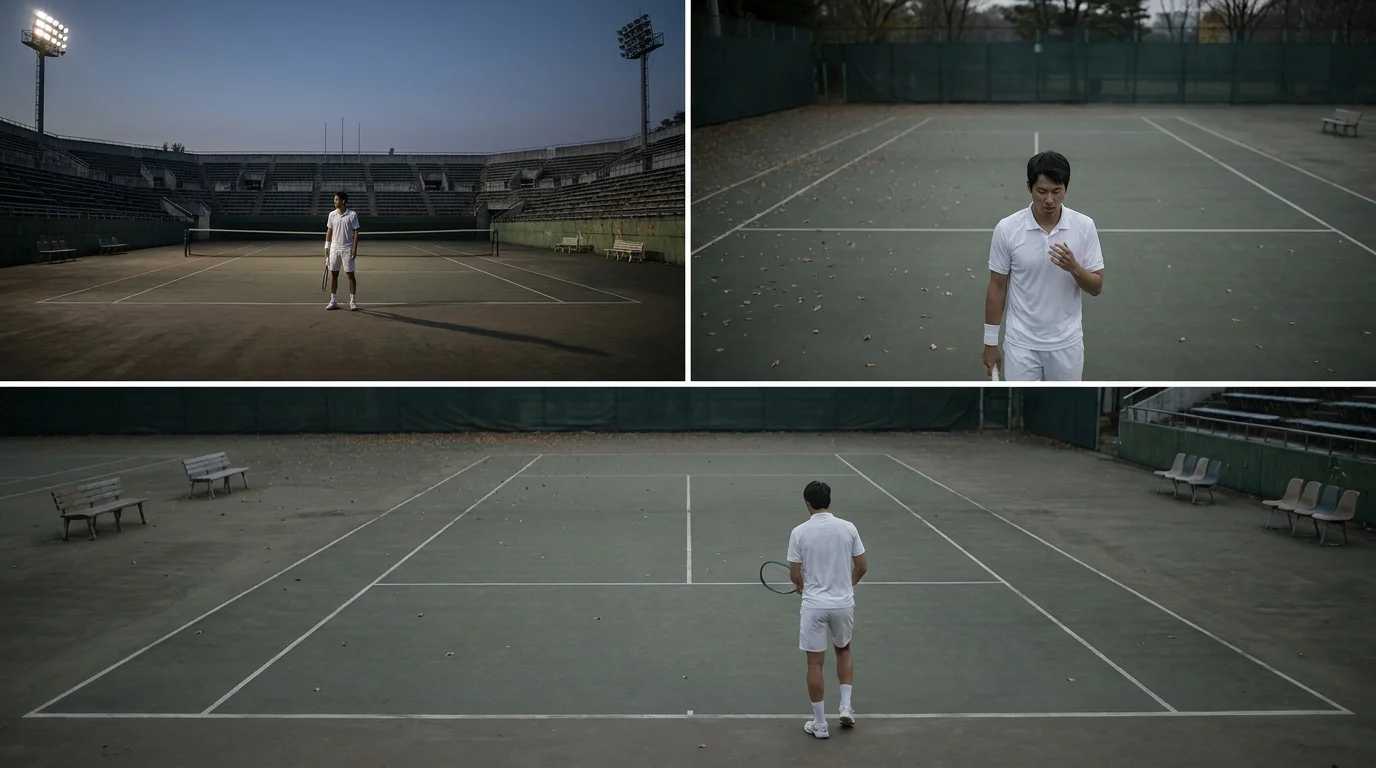
This individual nature compounds with the economics of the lower tiers. The vast majority of professional tennis players never get near the prize money of the top events; they grind around minor tournaments barely covering their travel costs, and that financial desperation is precisely what makes a corrupt approach tempting. A player ranked several hundred in the world, losing money to compete, facing a betting market thin enough to be moved by a few thousand pounds, sits at the dangerous intersection of motive, means and opportunity. In the first quarter of 2025 the integrity body received nine match alerts, the overwhelming majority from exactly these lower-tier events — the ATP Challenger and ITF circuits where the money is smallest and the temptation greatest. The structure of the sport concentrates the risk at its base, far from the wealthy summit.

There is a further structural quirk worth understanding: tennis offers far more to manipulate than just the winner. Because betting markets exist on individual games, sets and even points, a player does not need to lose a match to corrupt it — dropping a single set or a particular game can satisfy a fix while the overall result still looks plausible. That granularity, which makes tennis such a rich sport to bet, also widens the surface area for corruption at the levels where it occurs, because a compromised player can manipulate a small, hard-to-detect corner of a match rather than the headline result everyone is watching.
What the integrity data shows
The reassuring counterpart to all this is that the monitoring system genuinely works, and the data it produces shows both the scale of the problem and the scale of the response. Integrity bodies do not just flag suspicious matches — they build cases that lead to real sanctions.

The enforcement is substantial. Integrity data contributed to confirming 54 instances of match manipulation and to sanctions against 24 players, teams and officials across multiple sports in 2025, demonstrating that alerts translate into consequences rather than disappearing into a void. The tennis-specific monitoring is extensive too: one major data company tracked over a million events across 70 sports and identified more than a thousand suspicious matches, of which tennis accounted for 78 — a number that rose year on year but still represents a tiny fraction of the matches played. The sanctions themselves carry weight, with the integrity body in late 2025 handing down lengthy bans, including disqualifications of 20 and 12 years against players found guilty of corruption. Careers are ended over this; it is not a slap on the wrist.
What this means for your bets
So how should a Wimbledon bettor actually use all this? Not with fear, but with discrimination about where you place your money. The data points clearly to where the risk is and is not, and that map is genuinely useful.

The practical conclusion is that the elite events — the Grand Slams, the top tour-level tournaments — are the safest betting environments in the sport. The vast prize money removes the financial desperation that drives fixing, the scrutiny is intense, and the betting markets are too deep and too closely watched to manipulate easily. Of the more than a thousand suspicious matches one monitor identified in a year, the overwhelming majority of events were entirely clean, and the suspicious ones clustered far from the showpieces. The risk concentrates in the obscure, low-stakes corners of the sport — the minor tournaments most bettors never touch. My advice has always been to bet the events you can actually follow and understand, where the markets are deep and the integrity infrastructure is strongest, and to be far more cautious about thin markets on obscure matches you know nothing about. The mechanism by which suspicious activity gets flagged in the first place, and why a flag is not a verdict, is something I unpack in my guide to Wimbledon betting alerts explained.
Is Wimbledon itself a high-risk event for fixing?
No. Grand Slams like Wimbledon are among the lowest-risk environments in the sport. The enormous prize money removes the financial desperation that drives fixing, the scrutiny is intense, and the betting markets are too deep and heavily monitored to manipulate easily. Integrity alerts overwhelmingly cluster in minor, low-stakes tournaments, not the major events.
What sanctions can a fixer face?
Penalties for match-fixing in tennis are severe and can effectively end a career. The sport’s integrity body has handed down lengthy bans, including disqualifications running to many years, alongside fines, for players found guilty of corruption. These sanctions, built on data from market monitoring, show that confirmed manipulation carries real and lasting consequences rather than token punishment.
