
 Available in US
Content
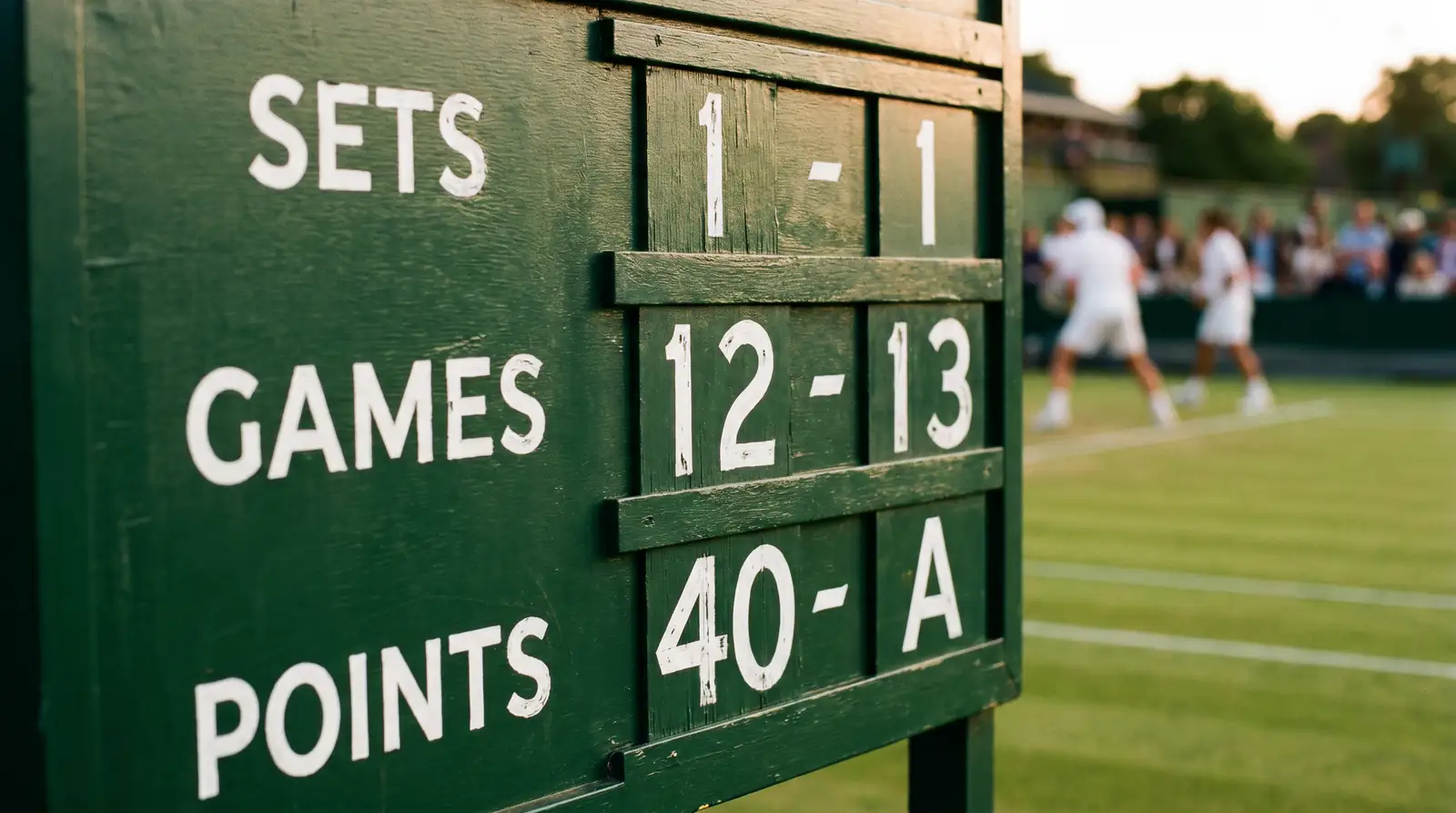
Betting on how long the match runs
One of my better-earning weeks at Wimbledon came from a match I had no opinion on whatsoever. I did not know who would win, and I did not care — I just knew two enormous servers were about to spend three hours holding serve at each other, and the total games line looked low. I took the over, watched a procession of tie-breaks, and collected. Total games is the bet for when you can read the texture of a match without picking a side.
Total games betting, the over/under market, asks you to predict whether the combined number of games played by both players will land above or below a line the bookmaker sets. It is winner-agnostic. You are betting on the length and competitiveness of the contest, not its result, which makes it one of the most underused tools on the Wimbledon board.
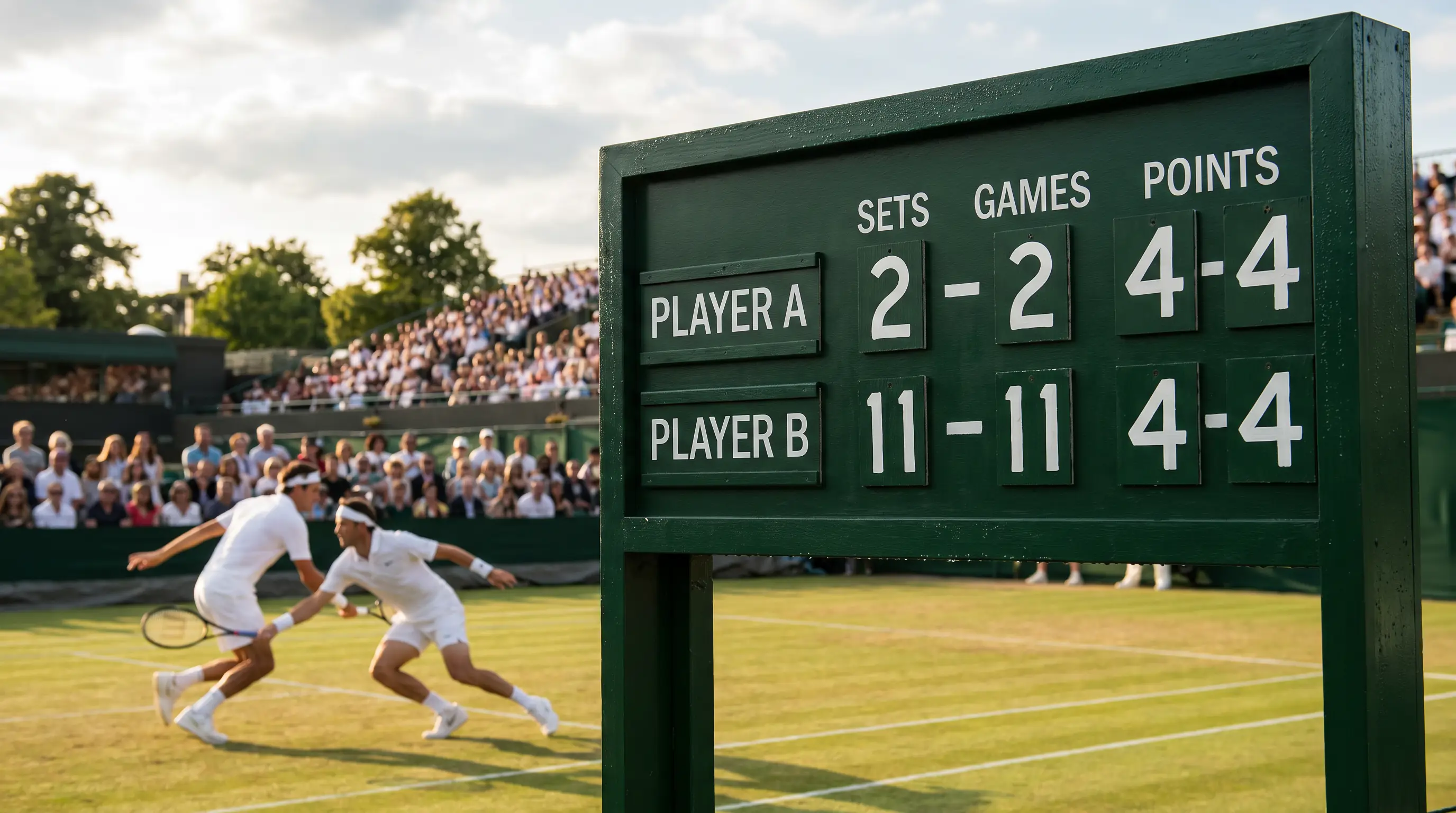
On grass, this market has a personality, and that personality is shaped almost entirely by the serve. Understand the serve, and you understand the totals line.
How the games line is built
The bookmaker sets a total games line by modelling how many games a match is likely to contain, then prices the over and the under to near-even money with the margin built into both sides. A line of, say, 22.5 games for a women’s match or 38.5 for a men’s match is the bookmaker’s best estimate of the midpoint, with the half-game guaranteeing a clear result.
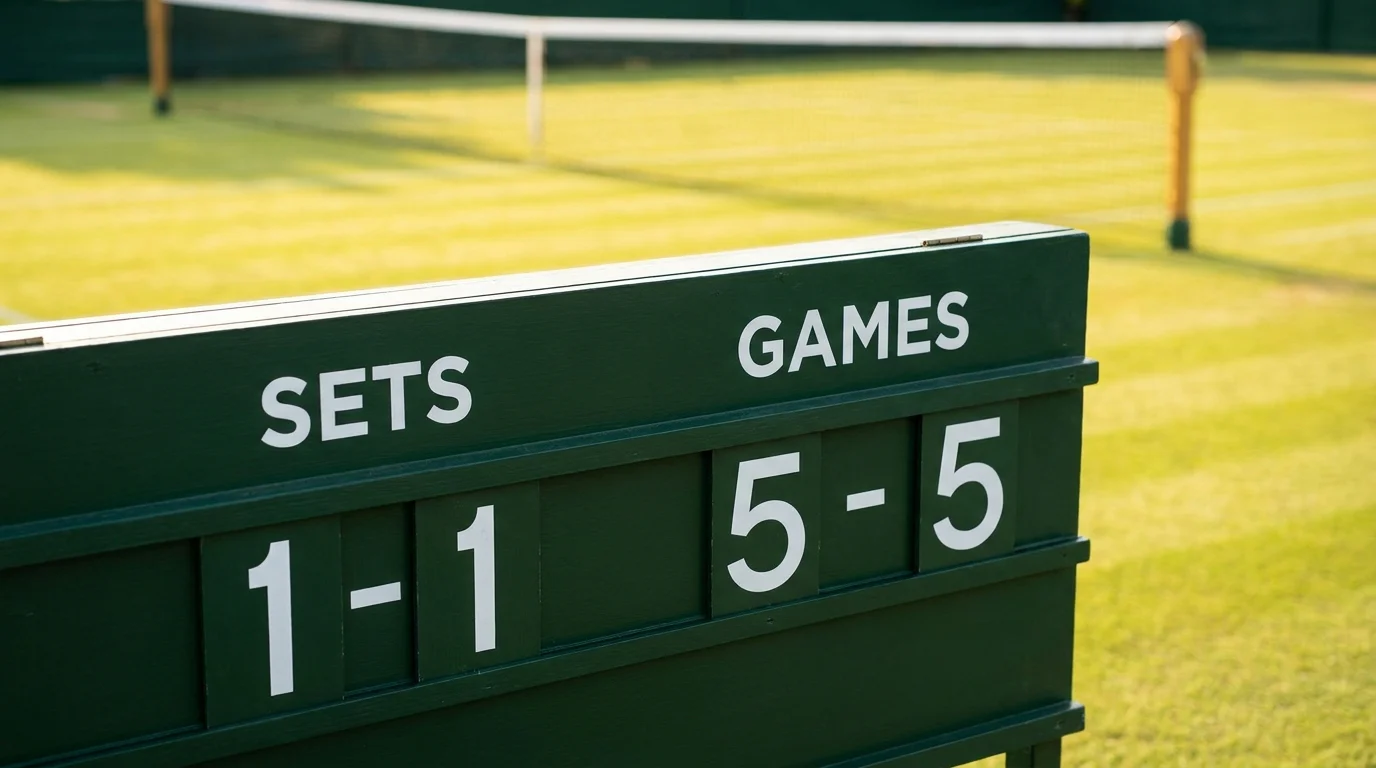
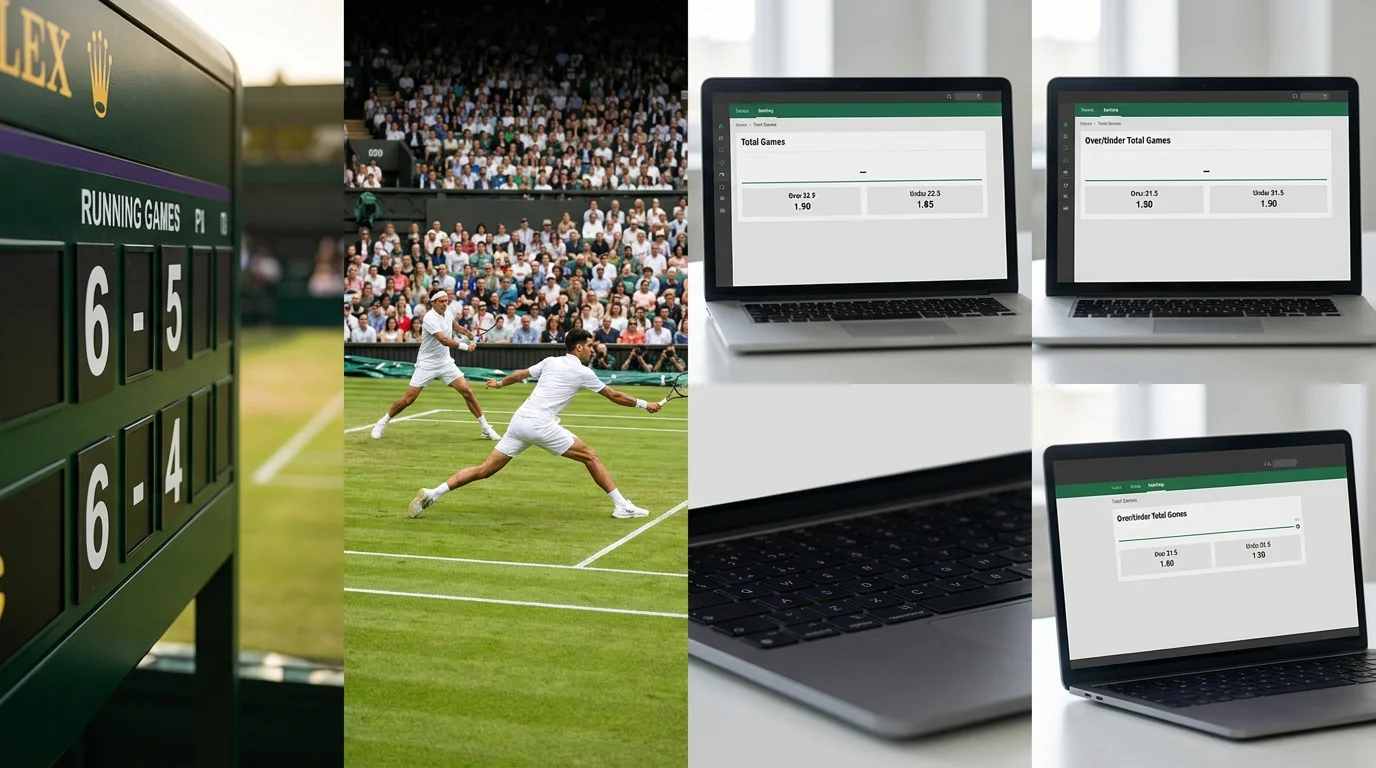
The inputs are the format and the players. A best-of-five men’s match has a higher line than a best-of-three women’s match simply because there are more sets to fill — that part is mechanical. The interesting variable is how the specific players inflate or deflate that baseline. Two big servers who rarely get broken push the line up, because matches with few breaks tend to reach tie-breaks, and a tie-break set is a full seven-games-apiece-or-more affair. A returner who breaks frequently against a shaky server pulls the line down, because breaks end sets faster. The line is a forecast of break frequency dressed up as a number of games.
Why big servers push totals up
Here is the counterintuitive heart of grass-court totals: dominant servers do not produce short matches, they produce long ones. It feels backwards — surely a big server wins quickly? — but the opposite is true when both players can serve.
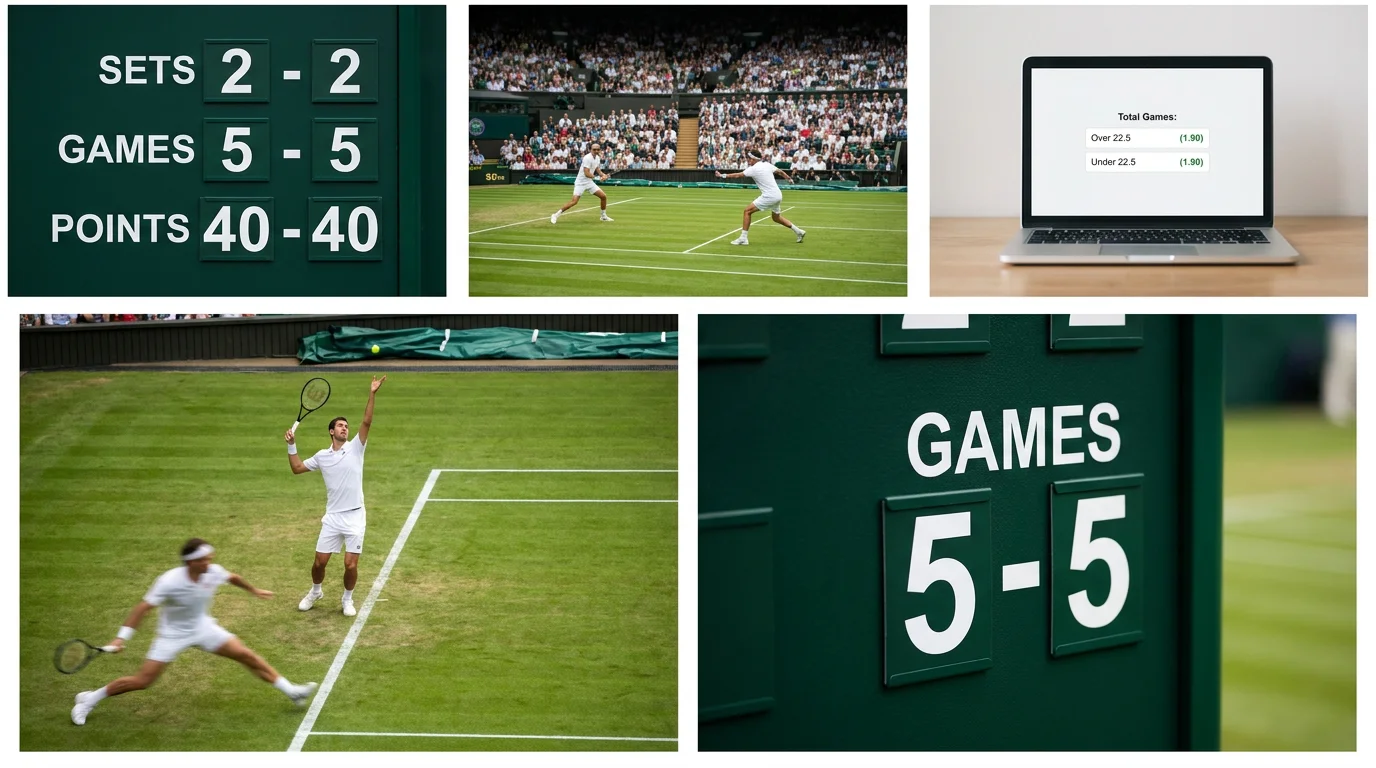
When top players are winning more than seventy percent of points on serve, breaks of serve become rare, and a set without breaks does not end at 6-3 or 6-2. It grinds towards 6-5, then a tie-break, then 7-6. Two servers who both hold comfortably will trade holds all the way to the tie-break in set after set, and a match of three or four tie-break sets racks up an enormous total games count. This is why grass, the most serve-friendly surface in the sport, is fertile territory for the over when two strong servers meet. The lawn turns holding serve into the default and breaking into the exception, and that asymmetry inflates the games tally far beyond what the match prices would suggest.
The reverse holds too. When a great returner faces a vulnerable server, breaks come thick and fast, sets end quickly at 6-2 or 6-1, and the total collapses. So my first question on any totals market is never “who is better” — it is “how often will serve get broken,” and on grass the honest answer is usually “less than you think.” I have lost count of the number of times a casual bettor has told me they took the under on a one-sided match expecting a quick demolition, only to watch the favourite win every set on serve while the underdog stubbornly held his own deliveries all the way to a string of 6-4 sets that sailed over the line.
Reading an over/under line
Reading the line well comes down to comparing the bookmaker’s break-frequency assumption with your own. If the line implies more breaks than I expect — because both players are holding at the 86 percent rate that top servers manage on grass — I lean over. If it implies fewer breaks than the matchup warrants, because one player’s serve is leaking, I lean under.
The practical checklist is short. Look at how both players have been holding on grass specifically, not their season average, because the surface inflates everyone’s hold rate. Check whether either is a noted returner capable of breaking a big serve — a rare and valuable skill on a lawn. And factor the format: a men’s best-of-five gives more sets for tie-breaks to accumulate, which makes the over more attractive in serve-heavy clashes than the same matchup would be in the women’s draw. One caution on settlement: confirm how the line treats a final-set tie-break or a match decided by a long deciding set, as the rules can affect a tight total.
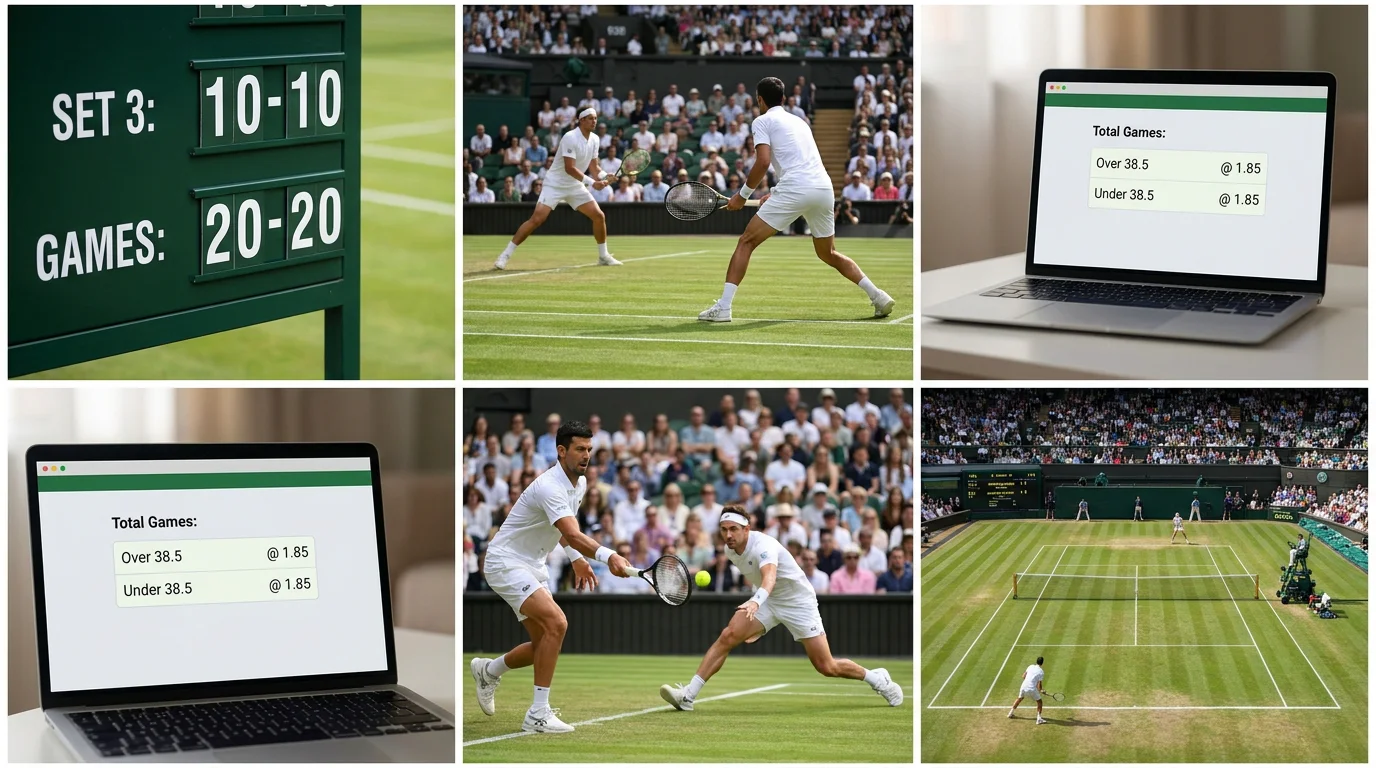
Weather deserves a mention too, because it works on totals in a way it touches few other markets. A warm, dry day bakes the grass and speeds it up, helping the servers and nudging matches towards the over; a cool, damp afternoon slows the bounce, helps the returners get a racket on the ball, and brings breaks back into play. The roof closing on the show courts has a similar effect, removing wind and creating consistent indoor conditions that tend to favour clean ball-striking. None of this is decisive on its own, but on a borderline line it is the kind of edge that tips a marginal bet into a confident one. The neighbouring market, where you bet the margin rather than the length, is the game handicap, and the two reward opposite reads — I lay that out in my guide to Wimbledon game handicap betting.
Do tie-breaks count toward the total games line?
Yes, a tie-break counts as a single game in the total, so a 7-6 set contributes thirteen games. This matters because serve-dominated grass matches produce frequent tie-breaks, and each one adds that thirteenth game, which is exactly why two big servers tend to push the total games line upward.
Does grass mean more over or under bets win?
It depends on the serving matchup, but grass leans toward the over when two strong servers meet, because breaks are rare and sets grind toward tie-breaks. When a sharp returner faces a weak server, breaks come quickly and the under is favoured. Always read break frequency rather than assuming the fast surface means short matches.
