
 Available in US
Content
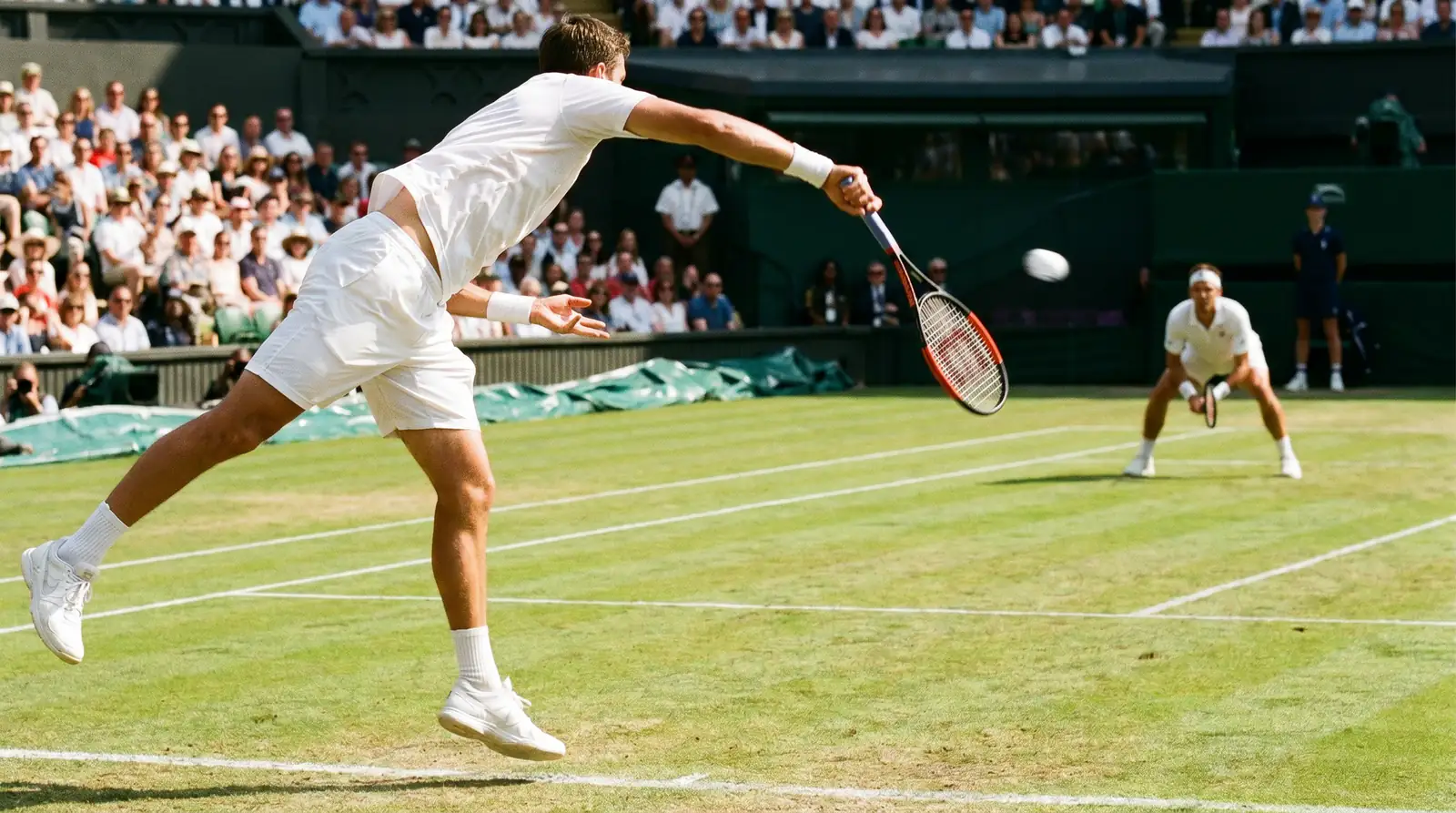
Betting the serve itself
There is a corner of the Wimbledon board that most casual bettors never visit, and it is the one I spend the most time in. While everyone fights over the match-winner price, the serve prop markets sit quietly to the side, priced by models that assume an average surface — on a fortnight where the surface is anything but average. That mismatch is a gift, and grass hands it out every year.
Serve props are bets on the serving itself rather than on who wins: total aces in a match, whether a player records over or under a set number of aces, the number of double faults, sometimes even aces in a specific set. They isolate the single most decisive shot in tennis and let you bet on it directly, which on a fast lawn is a powerful thing.
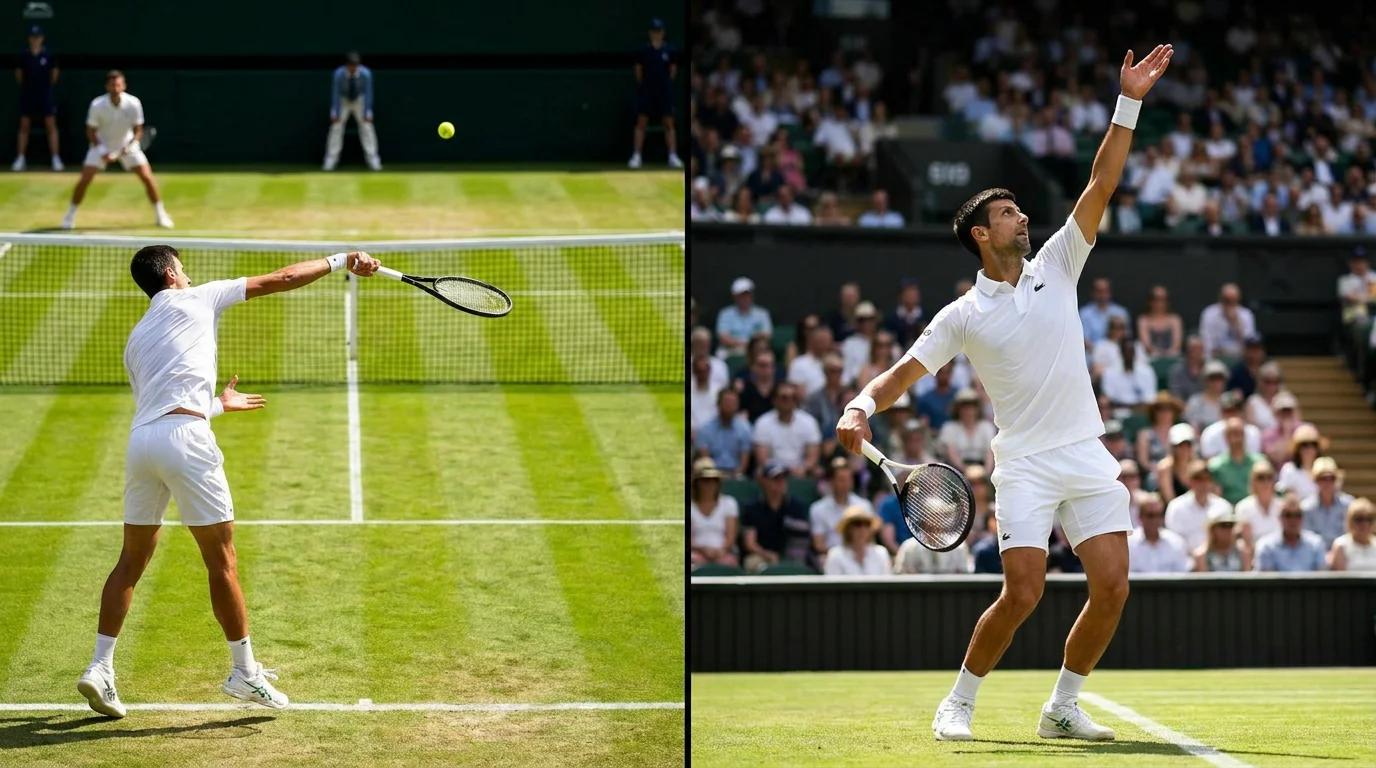
The reason these markets reward attention is that grass exaggerates serve outcomes more than any other surface, and the lines do not always keep up. Learn to read them and you have a steady, low-correlation edge that has nothing to do with picking winners. That last point is worth dwelling on: because a serve prop does not depend on the match result, it can win even when your match-winner read is wrong, which makes it a genuinely useful diversifier in a betting portfolio rather than just another way to bet the same opinion twice.
How total-ace lines work
A total-ace line is the bookmaker’s estimate of how many aces a match will produce, set as an over/under number you bet against. The book models each player’s ace rate, adjusts for the opponent’s return ability and the surface, then sets a line and prices both sides near even money with the margin built in.

The inputs that matter are the servers themselves. A player’s ace rate is wildly individual — the career ace gap between an extreme grass server, around 18 percent of points, and a clay-court baseliner nearer 7 percent shows how far apart two professionals can be on this single metric. Put two big servers together and the line climbs steeply; pair a bomber with a returner who barely serves an ace and the line sits lower. The market also factors in match length, since a best-of-five men’s contest offers far more serving opportunities than a best-of-three women’s match, which is why men’s ace lines dwarf women’s.
What I look for is a line that has under-adjusted for the surface or the specific server. A model anchored to a player’s season-long ace rate across all surfaces will tend to underprice his grass aces, because the lawn inflates them, and that lag is the bet.
Why grass inflates serve props
Grass is the great serve amplifier, and the mechanism is simple physics. The surface is fast and the ball stays low after the bounce, so a returner has less time to react and less margin to get a racket cleanly on a big serve. Serves that would be returnable on a slow clay court fly past for aces and unreturnables on a lawn.
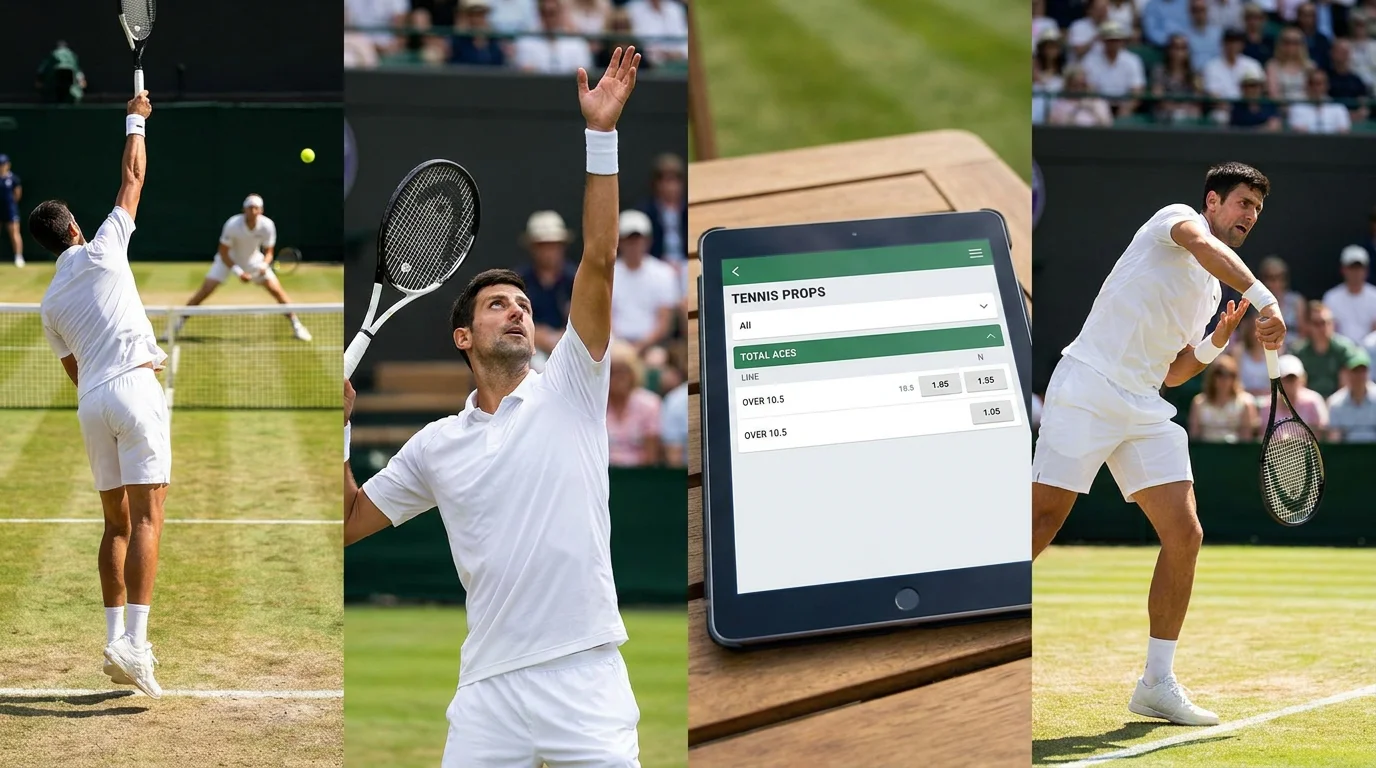
This shows up directly in the numbers. On grass, top servers win well over seventy percent of points on their own delivery, a rate that simply is not achievable on slower surfaces where returners get more time to neutralise the serve. That elevated service dominance feeds straight into the prop markets: more unreturned serves means more aces, more cheap holds, and serve-related lines that run higher than the same players would produce anywhere else. A big server who racks up modest ace counts on hard courts can become an ace machine on a fast lawn, and the over on his total aces becomes a genuinely strong position when the line is set with his all-surface average in mind.
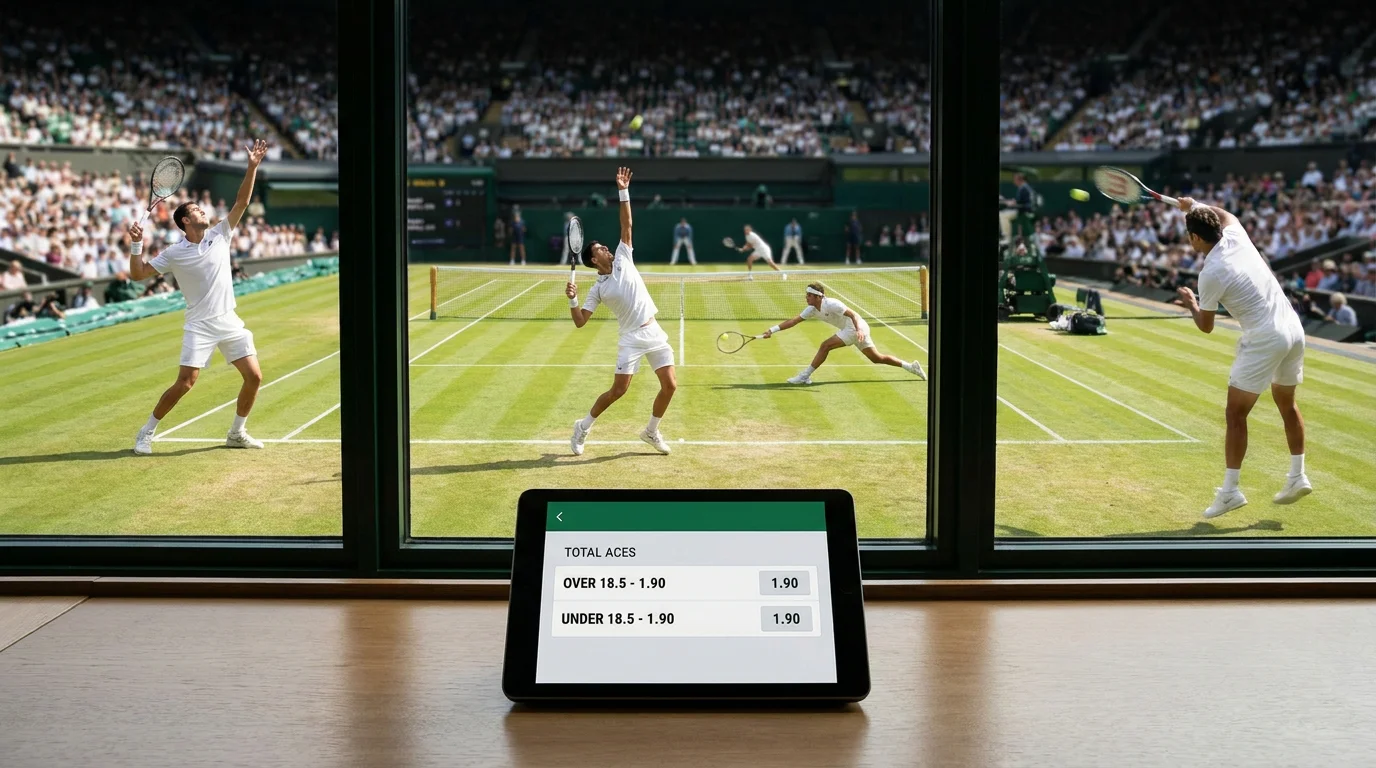
The flip side is the double-fault markets, which behave inversely. Because servers go after their deliveries more aggressively on grass, chasing the free points the surface offers, double faults can rise too, and the unders are not the automatic play they might seem. The surface inflates serving outcomes in both directions, and the bettor’s job is to know which way each specific server tends to break.
Spotting serve-prop value
My process for serve props is to compare the line against the player’s grass-specific serving record, never his overall numbers. If a player has historically served far more aces on grass than his season average, and the line looks anchored to that season average, the over is calling to me. If the line has clearly been padded upward to account for grass, I look elsewhere rather than chase an inflated number.

The matchup is the other half of the equation. A huge server facing a poor returner on grass is the textbook over; the same server against an elite returner who takes time away from the serve is a far less certain proposition, because returns that get put back in play do not become aces. I also factor conditions — a warm, dry day speeds the court and helps the servers, while cool, damp air slows the bounce and gives returners a fighting chance.
One more habit pays off here: tracking how the show-court roof affects serve props. When the roof closes on the main courts, the conditions become consistent and still, removing the wind that can disrupt ball toss and timing, and clean serving tends to rise as a result. A serve prop placed on an outdoor match that then moves indoors under the roof can play out very differently from the open-air number the line was built on. Serve props are a specialist’s market, low in glamour and steady in value, and they reward the bettor who treats the serve as the standalone event it is. They sit naturally alongside the broader surface-reading skills I lay out in my Wimbledon grass-court betting strategy guide.
Are ace totals higher at Wimbledon than other Slams?
Generally yes. Grass is the fastest of the Grand Slam surfaces with the lowest bounce, giving returners less time to react, so more serves go unreturned as aces. The same servers who post modest ace counts on slower hard or clay courts tend to record markedly higher totals on a Wimbledon lawn.
Do serve props settle on completed games only?
Settlement rules vary by book and market, particularly around retirements and unfinished matches. Many ace and serve prop bets require the full match to complete, or a defined portion of it, before they settle, and an early retirement can void them. Always confirm the specific settlement terms before placing a serve prop.
