
 Available in US
Content
The shorter-format difference
I once had a colleague who bet the women’s and men’s draws with identical logic and could never understand why his women’s results were so much choppier. The answer was sitting in plain sight on every scoreline: the women play best-of-three, the men play best-of-five, and that single structural fact reshapes everything a bettor needs to know.
Best-of-three means a player only has to win two sets to advance. There is no luxury of dropping the opening set and grinding back over five. One bad set is half a match, and on a surface as fast and unforgiving as Wimbledon grass — where the title is worth a record £3 million to each 2025 singles champion and the field is correspondingly stacked — that compression of margin is the whole story.
If you bet the WTA draw the same way you bet the ATP draw, you are mispricing variance. The favourites are more vulnerable, the outsiders are live more often, and the markets that work shift accordingly. Let me show you why, and what to do about it.
How best-of-three reshapes probability
Picture two players where one is genuinely better — say she would win sixty percent of sets against her opponent on grass. Over five sets, that edge compounds and the better player wins the match comfortably more often than not. Squeeze the same matchup into three sets and the favourite’s match-winning probability drops, because there are simply fewer sets for her superiority to assert itself.
This is not a hunch; it is arithmetic. The fewer the sets, the more a single hot patch from the underdog — one tie-break, one early break of serve she manages to protect — can decide the whole contest. Best-of-three gives the weaker player more bites at a winnable match, because she only needs two good sets, and she can have those two good sets before the favourite has found her range. The practical consequence is that a heavy WTA favourite at, say, 1.20 is carrying more genuine risk than a men’s favourite at the same price, and the market does not always adjust enough to reflect it.
I find it helps to think in terms of how many “good days” each player needs. The favourite needs to be the better player across two sets; the underdog needs to be the better player across two sets too, but she gets to pick which two, and she can ambush the favourite early before nerves or rust have worn off. On grass that ambush is even more potent, because the surface is fast, points are short, and there is less time within each rally for the superior player to drag the level back to where it should be. A baseline grinder who would slowly suffocate her opponent over five sets on a slow court simply does not get that luxury here.
That mispricing is your opening. When a women’s favourite looks too short, it often is, because the format quietly hands the underdog more equity than the price admits. The discipline is to resist the gravitational pull of the famous name and price the match on the format, not the reputation.
More variance, more upsets
The thing about the women’s draw is that the upsets are not noise — they are baked into the format. Wimbledon’s attendance reached a record 548,770 in 2025, and a good chunk of those crowds turned up to watch a seed get bounced by someone they had never heard of, because the shorter format makes exactly that outcome more likely.
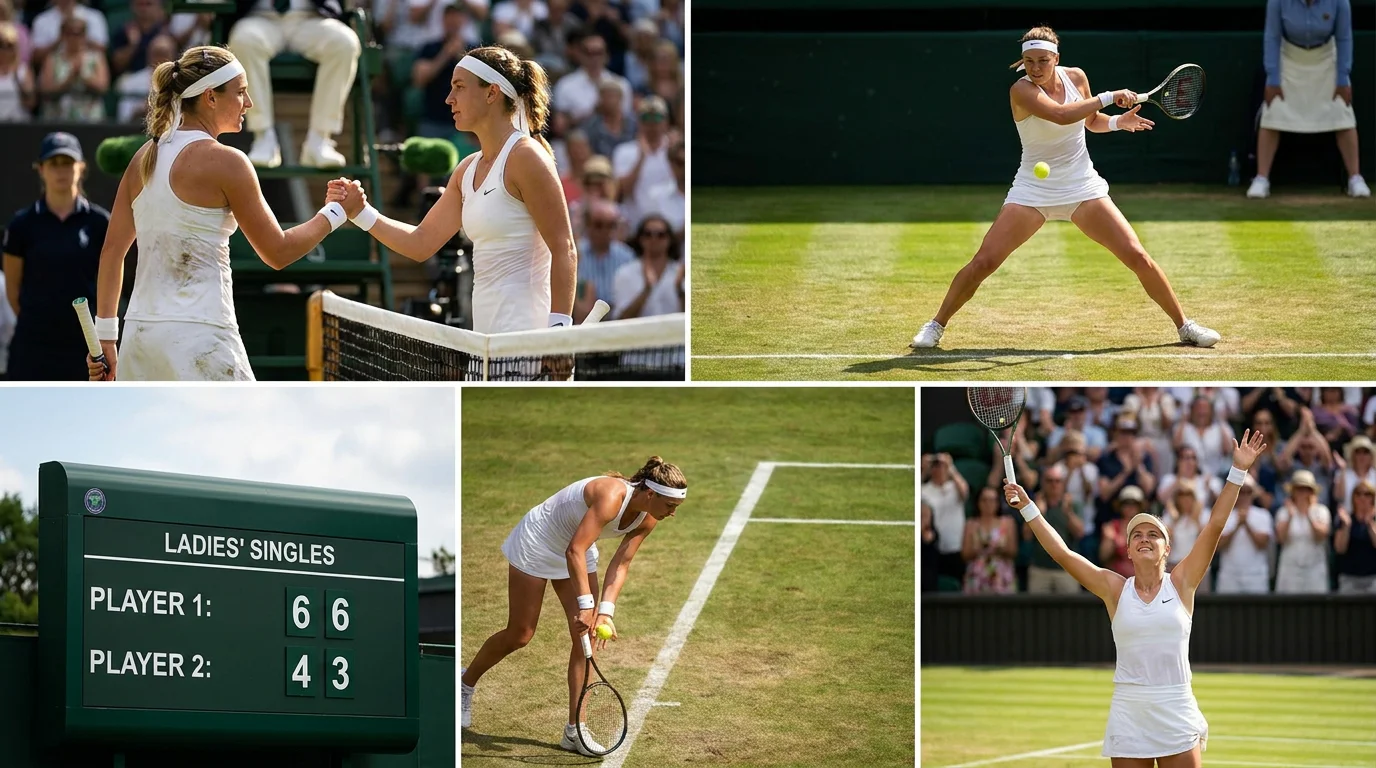
Higher variance changes how you should think about every bet you place on the women’s side. Short-priced favourites are riskier, which means accumulators built on WTA favourites are a worse idea than the equivalent men’s acca — each leg carries more upset risk and the legs multiply. Conversely, value on the underdog side appears more often, because the public continues to back the bigger name as if best-of-five rules applied. I treat the women’s draw as a place to hunt for overpriced upsets rather than a place to stack short favourites, and over a fortnight that single adjustment has done more for my returns than any in-running cleverness.
The other consequence of all this variance is that it rewards patience and punishes chasing. Because favourites fall more often, a bettor who reflexively backs the bigger name will hit a losing streak that feels personal, and the temptation is to pile in harder to recover. That is exactly the wrong instinct. The women’s draw is a market that pays you for understanding why upsets happen rather than for trusting that they will not, and the bettors who lose money on the WTA side are almost always the ones treating a high-variance format as if it were a low-variance one.
WTA-specific markets worth watching
Because the maths is different, the markets that reward you are different too. The shorter format makes certain bets far more attractive on the women’s side than they are in the men’s draw.
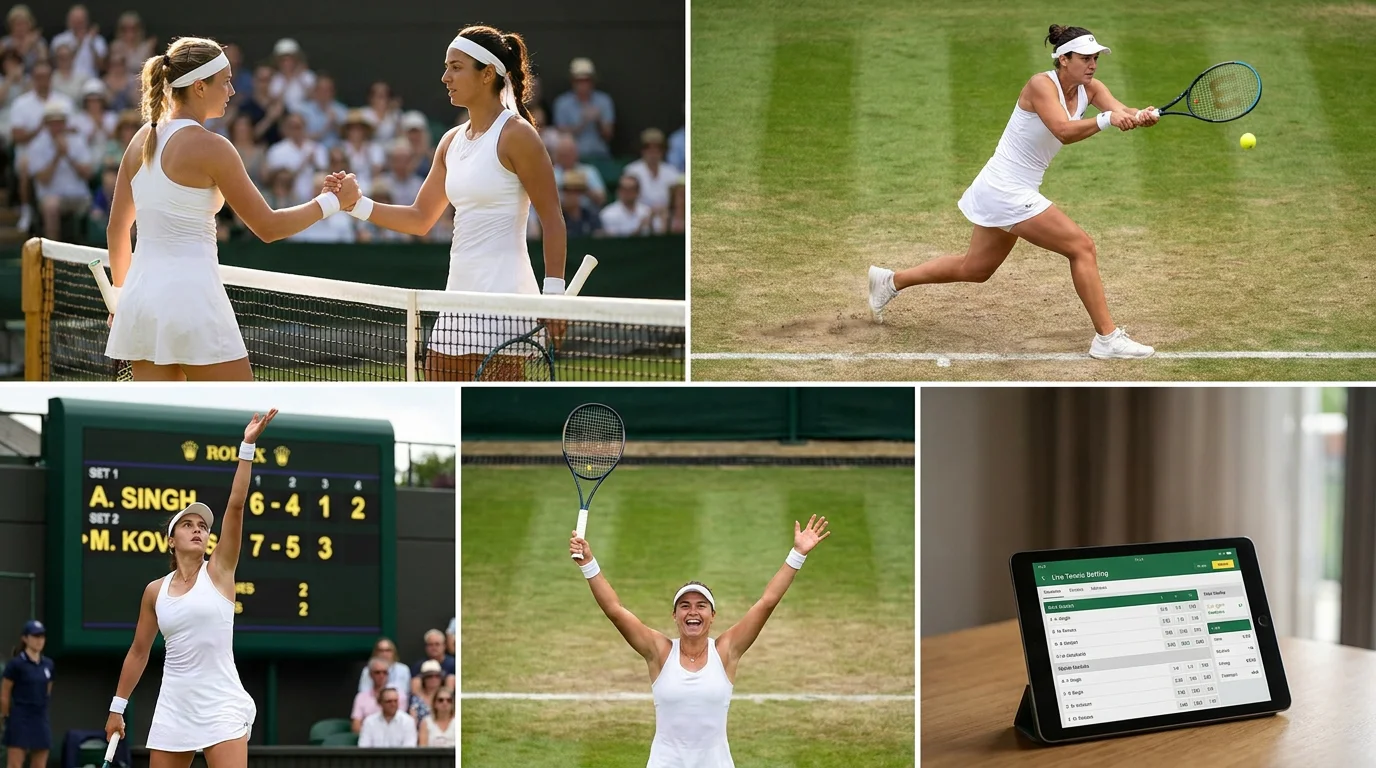
Set betting comes into its own. In best-of-three, a 2-0 scoreline is a genuinely common result for a strong favourite, and backing the exact “straight sets” outcome on a dominant player can offer better value than a cramped match-winner price. Total games markets also behave differently — fewer sets means tighter total-games lines, and a single break of serve swings the over/under more dramatically than it would across five sets. And the handicap markets are worth a long look, because giving a vulnerable favourite a games handicap can turn a stingy 1.20 into a price actually worth taking, while respecting the upset risk the format builds in.
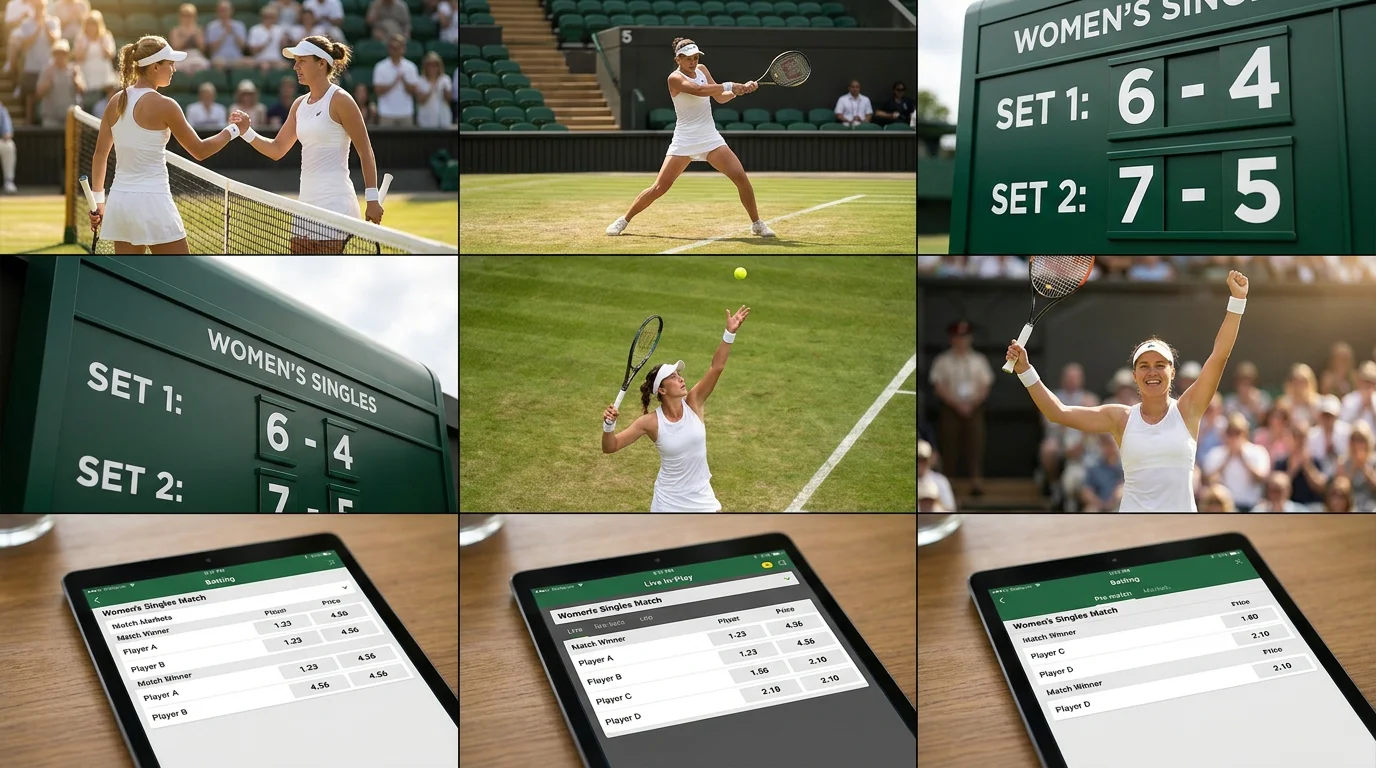
The mirror image of all this lives on the men’s side, where the extra two sets work entirely the other way. If you want the contrast, I have broken down exactly how the longer format protects favourites in my guide to reading the best-of-five draw in the men’s event.
Are upsets really more common in the women’s draw?
Yes, and the format is the reason. Best-of-three gives the weaker player fewer sets to be beaten across, so a single strong patch can decide a match before the favourite settles. The same player would win more often over best-of-five, which is why heavy WTA favourites carry more genuine risk than their men’s equivalents at the same price.
Does set betting work the same in best-of-three?
The mechanics are the same but the value shifts. In best-of-three the possible scorelines are limited to 2-0 or 2-1, so a straight-sets bet on a dominant favourite is a far more common outcome than the equivalent in a five-set men’s match. That makes set betting one of the more useful tools on the women’s side.
