
 Available in US
Content
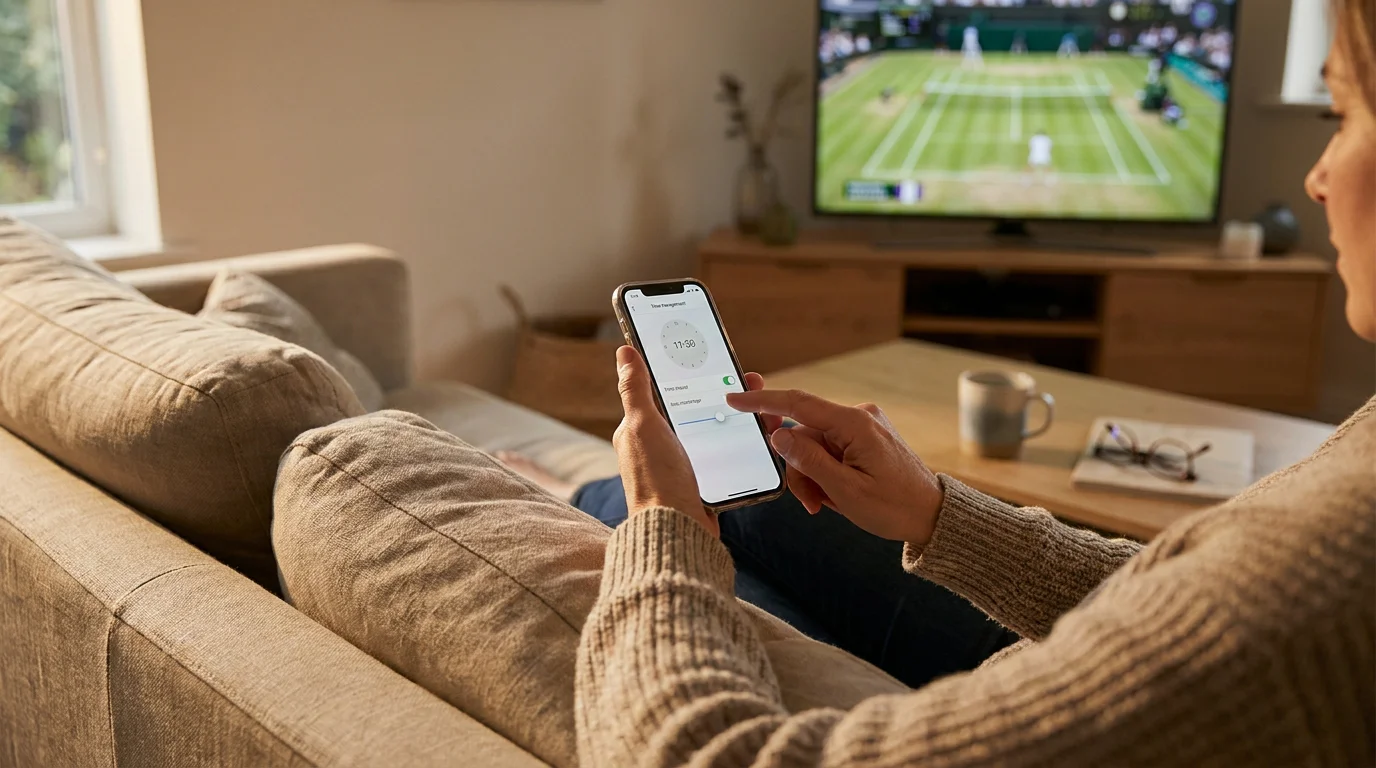
Keeping a fortnight of betting healthy
After years in this game I have come to believe that the bettors who last are not the sharpest pickers — they are the ones who never lose control of the basics. Wimbledon, more than any other event, tests that control, because fourteen straight days of compelling tennis is a long time to keep a level head. The bettors I worry about are not the ones who lose a bet; they are the ones who stop noticing how much they are betting.
Responsible gambling is not a lecture and it is not the small print at the bottom of an advert. It is a set of practical habits and tools that keep betting where it belongs — as entertainment you can afford, not a problem that creeps up on you. In a country where 48 percent of adults gambled in a recent four-week period, this is a mainstream activity, and like any mainstream activity it comes with a responsibility to do it sensibly.

This piece is about the practical side: the specific risks a long tournament creates, the tools that genuinely help, and where to turn if betting stops being fun. No moralising, just what works.
Why a long event raises the stakes
The particular danger of Wimbledon is its duration and intensity. A single match is over in hours; a fortnight of wall-to-wall tennis offers a near-constant stream of betting opportunities, and that relentlessness is exactly what erodes discipline. The risk is not any one bet — it is the accumulation, the slow drift from a considered flutter to compulsive in-play betting on every changeover.

The figures around British betting hint at where the pressure points lie. Sports betting online is a monthly habit for roughly a quarter of UK adults, and among younger adults aged 25 to 34 that rises to around half, the very group most exposed to the fast, app-based in-play betting that a tournament like Wimbledon encourages. The regulator’s attention to younger people is telling too — 8 percent of 11-to-18-year-olds had encountered online gambling in a recent year — a reminder that the accessibility which makes betting convenient also makes it easy to overdo. The combination of a long event, constant live markets, and an always-available phone is precisely the environment in which a casual bettor can quietly bet more than they intended.
Recognising this is the first defence. When you know that the danger of a fortnight-long event is the drift rather than the individual bet, you can set the guardrails in advance, before the tennis starts and before the temptation arrives.
Deposit limits, time-outs and self-exclusion
The good news is that the tools to stay in control are built into every licensed British betting site, required by regulation, and genuinely effective when used. You do not need willpower alone; you can make the technology hold the line for you.
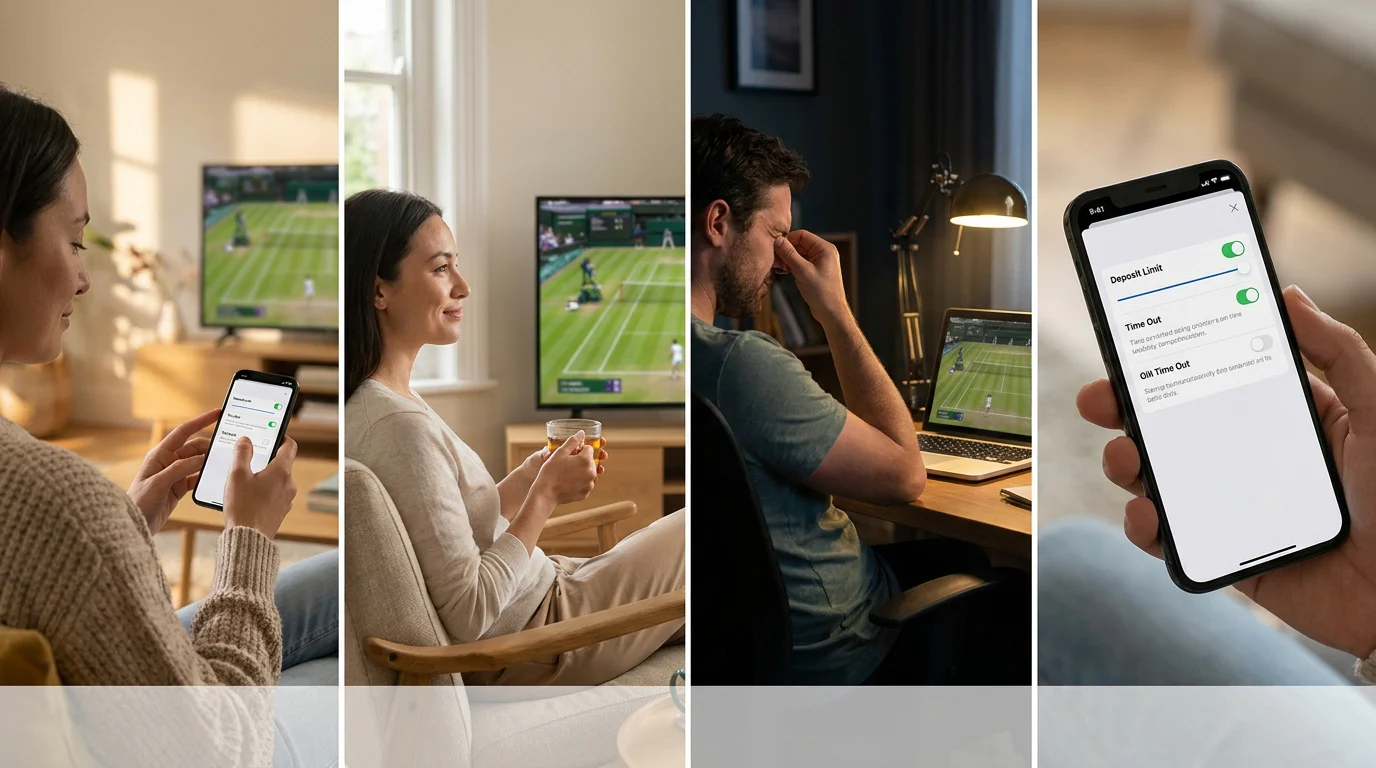
The most useful tool is the deposit limit, which caps how much you can put into your account over a day, week or month. Set it before Wimbledon begins, at a level you can comfortably afford to lose, and it quietly enforces your budget no matter how tempting the second-week matches become. Time-outs let you lock yourself out for a short cooling-off period — a day, a week — which is invaluable if you feel a session getting away from you. Reality checks pop up to remind you how long you have been betting, puncturing the trance that in-play betting can induce. And for anyone who needs a firmer break, self-exclusion shuts your account for a sustained period, often months or years, and licensed operators must honour it.
These tools work best set in advance, when you are calm, rather than reached for in the heat of a losing run. I set my limits before the tournament every year, and I have never regretted it. The trick is to treat them not as admissions of weakness but as the same kind of sensible planning you would apply to any budget — you would not go to a two-week festival without deciding in advance what you could spend, and a fortnight of tennis betting deserves the same forethought. Setting a deposit limit before the first ball is struck removes the need to make a disciplined decision in the one moment you are least equipped to make it: mid-match, mid-loss, with the next point seconds away.
UK support and signposting
Sometimes the tools on a betting site are not enough, and there is no shame in needing more help. Betting is meant to be enjoyable, and when it stops being so — when it starts causing stress, financial strain or conflict — that is the signal to step back and reach out, not to bet your way out of the hole.


Britain has a well-developed support system for exactly this, independent of the betting operators. The regulator’s increasingly sophisticated approach to understanding gambling behaviour — described by the head of its research programme as offering “greater flexibility and reach than ever before” — reflects a system that takes player welfare seriously, and that system includes free, confidential support services for anyone worried about their own or someone else’s gambling. Licensed operators are required to signpost these services, and they are available to everyone, not just those in crisis. If betting on Wimbledon ever feels less like entertainment and more like compulsion, treat that as the most important read of the fortnight: pause, use the tools, and seek support. The legal framework that underpins all these protections is worth understanding too, and I lay it out in my guide to whether betting on Wimbledon is legal in the UK.
What safer-gambling tools must UK sites offer?
Licensed British operators are required to provide deposit limits, time-outs, reality checks and self-exclusion, along with clear signposting to independent support services. These tools let you cap your spending, take cooling-off breaks, monitor your time betting, and shut your account for a sustained period. Setting them up before a long event like Wimbledon is the best way to stay in control.
How does self-exclusion work across operators?
Self-exclusion lets you bar yourself from an operator for a chosen period, which licensed sites must honour. Britain also has a scheme that lets you self-exclude from multiple online operators at once, so you are not relying on shutting each account individually. It is designed for anyone who wants a firm, enforced break from betting rather than a voluntary pause.
