
 Available in US
Content
The case for backing an outsider
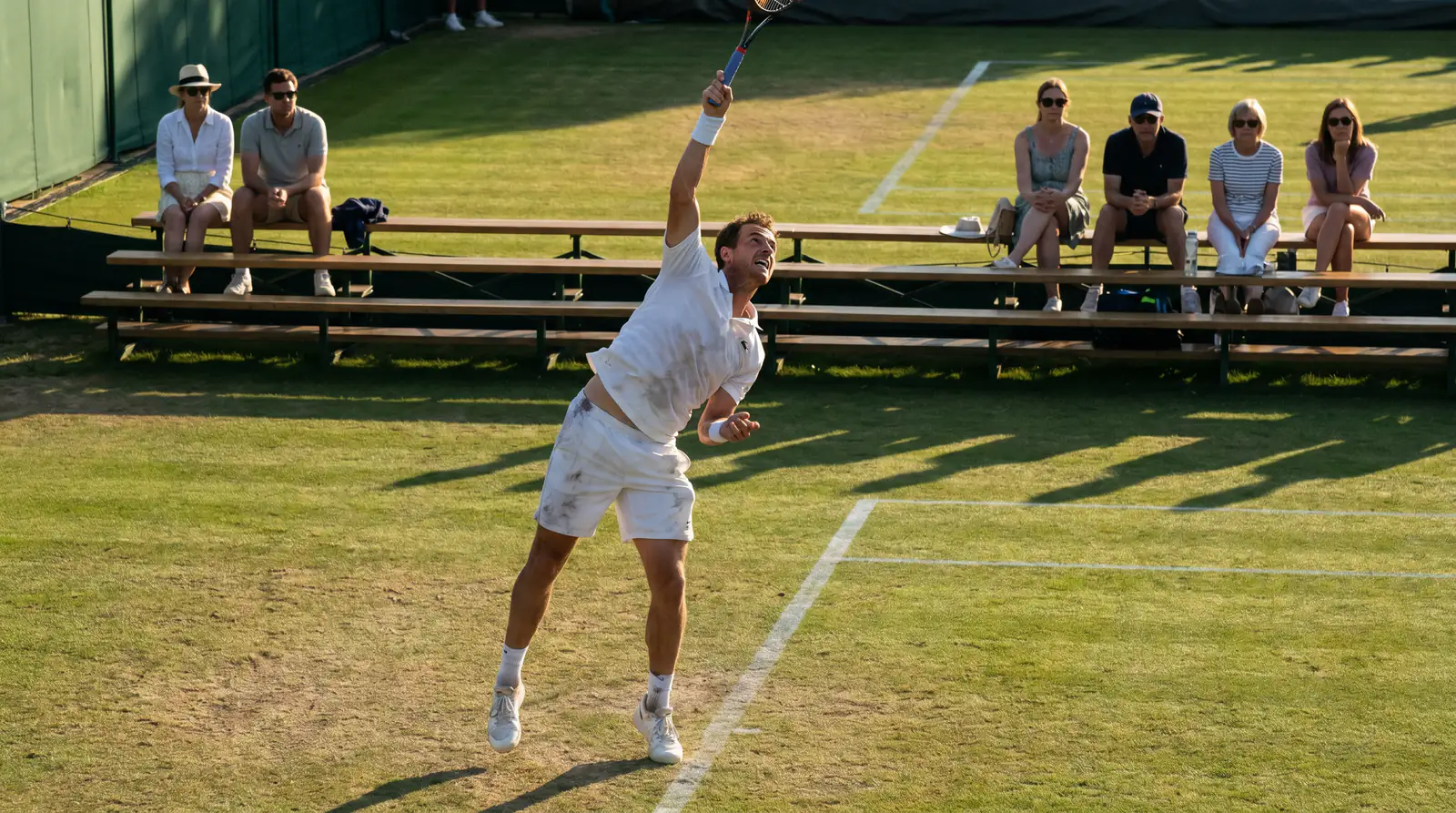
Every July I watch the same ritual play out. The casual bettors pile onto the same three names at the top of the market, the prices on those favourites get even shorter, and somewhere on Court 12 a 40.00 shot with a thunderbolt serve is quietly building a run that nobody priced properly. That gap is the dark horse opportunity, and it is the most reliably mispriced corner of the Wimbledon board.
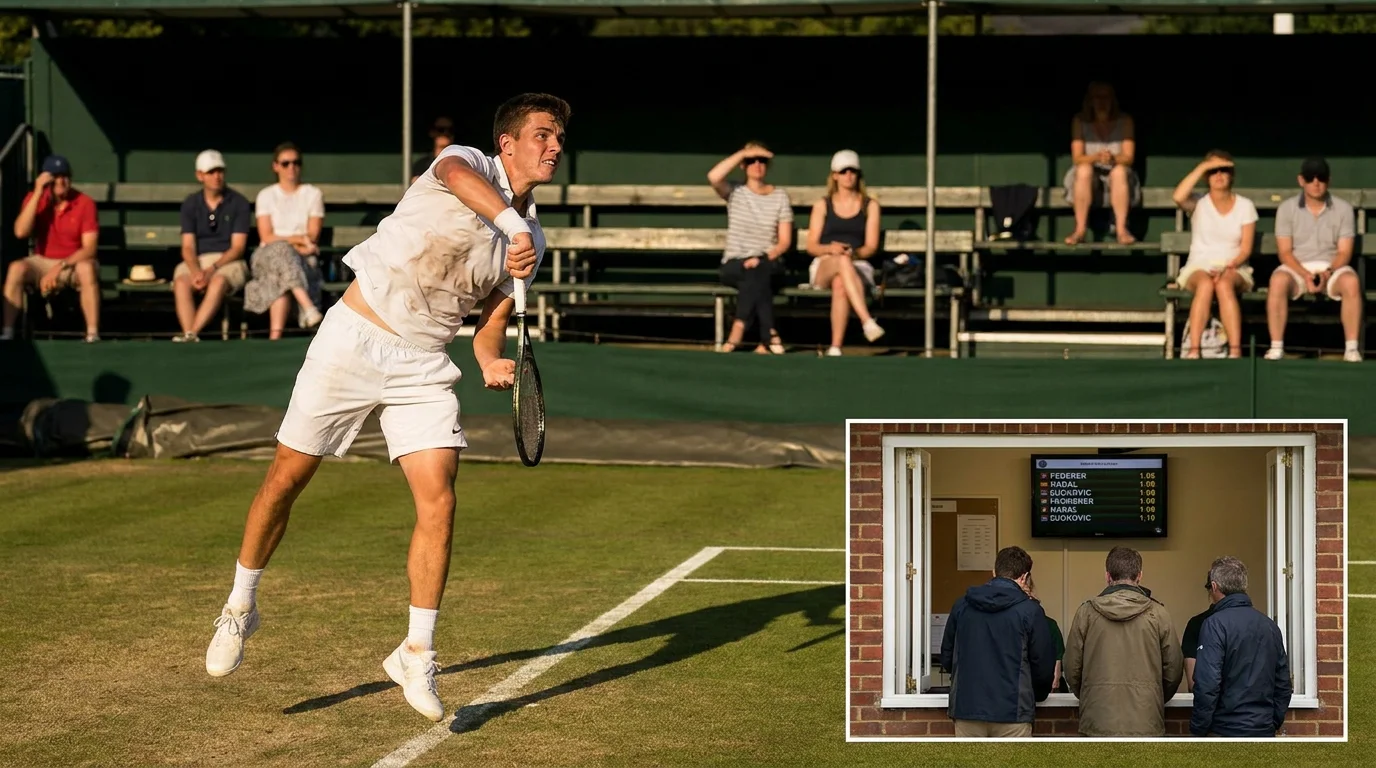
A dark horse, in betting terms, is an outsider whose true chance is better than the market implies — not a no-hoper, but a player the public has overlooked. The reason these exist at Wimbledon specifically is that the title is so coveted, with the 2025 singles champions each banking a record £3 million, that the favourites soak up almost all the attention and almost all the money. The field gets read as “the top seeds plus everyone else,” and “everyone else” is where the value gets dumped.
I am not telling you to throw money at longshots for the thrill of it. I am telling you that on grass, more than any other surface, a specific kind of outsider has a structurally better chance than their price admits — and the rest of this piece is about finding that player and staking him sensibly. The grass-court dark horse is not a romantic notion. It is a recurring market inefficiency that shows up every single year, because the way bookmakers and the betting public process a 128-player field guarantees that surface-specific value gets buried under reputation.
What makes a credible grass-court outsider
The dark horses I have actually cashed all shared one trait, and it was never ranking. It was a serve that the grass turned into a weapon.
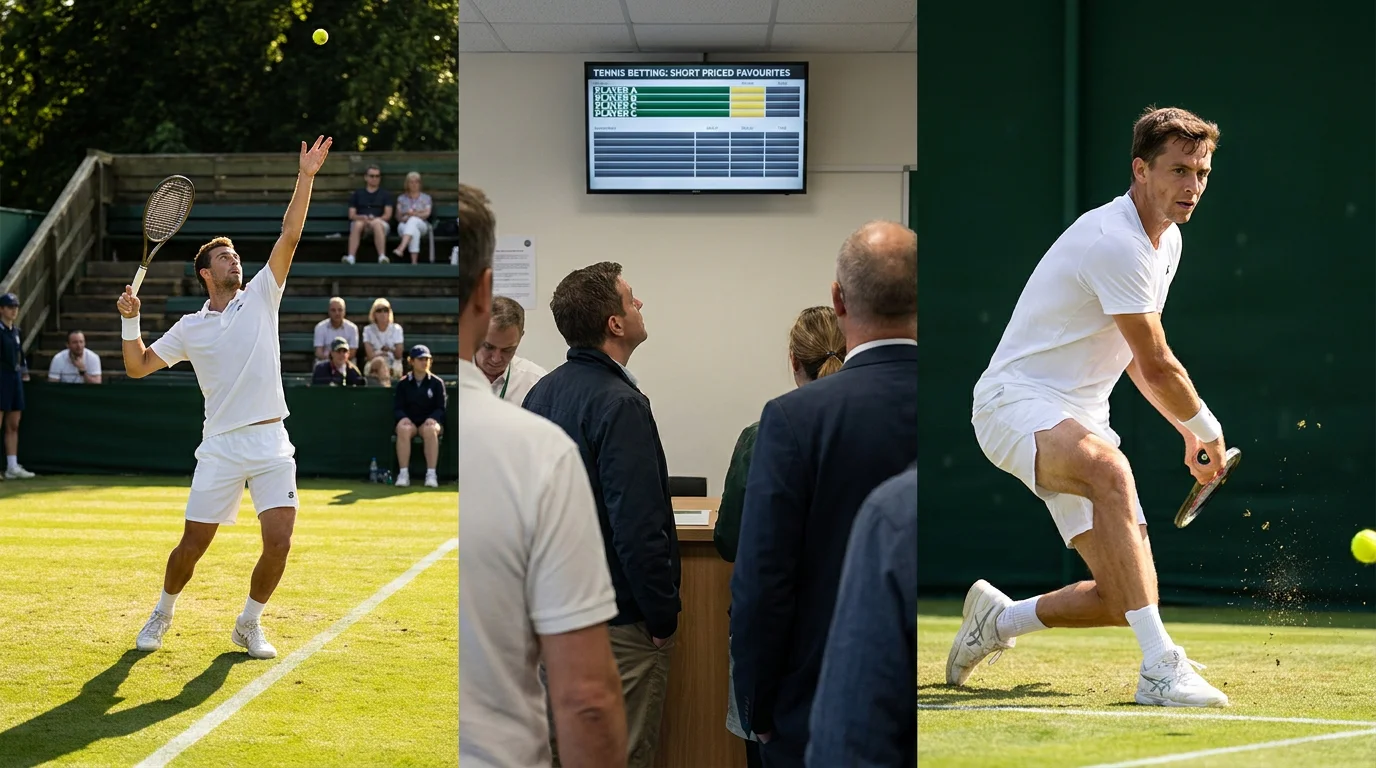
Grass rewards a profile that hard courts and clay actively punish. The surface is fast and the bounce stays low, so a player who lives and dies by a huge first serve suddenly finds that his weakest department — long rallies, defensive scrambling — barely gets tested. A useful illustration is the career ace rate gap between an extreme server like Ivo Karlović, around 18 percent on grass, and a clay-era baseliner like Rafael Nadal at roughly 7 percent. That is not a small edge; that is the difference between holding serve in your sleep and grinding for every game.
So a credible grass outsider usually ticks three boxes. He holds serve at a rate that travels to a fast surface. He has a low, skidding ball or a slice that the lawn exaggerates. And crucially, his ranking is depressed by clay-season results that mean nothing in SW19. When I am hunting, I deliberately ignore the world ranking and look at grass-court holds, ace percentages and how a player coped the last time the surface sped up. A man seeded outside the top sixteen who held serve 88 percent of the time at Queen’s the week before is not a longshot to me. He is a mispriced favourite in a longshot’s clothing.
How longshot prices are built
Here is something most people never consider when they see a 50.00 next to a name: that price is not really a prediction. It is partly a prediction and partly a defence mechanism.
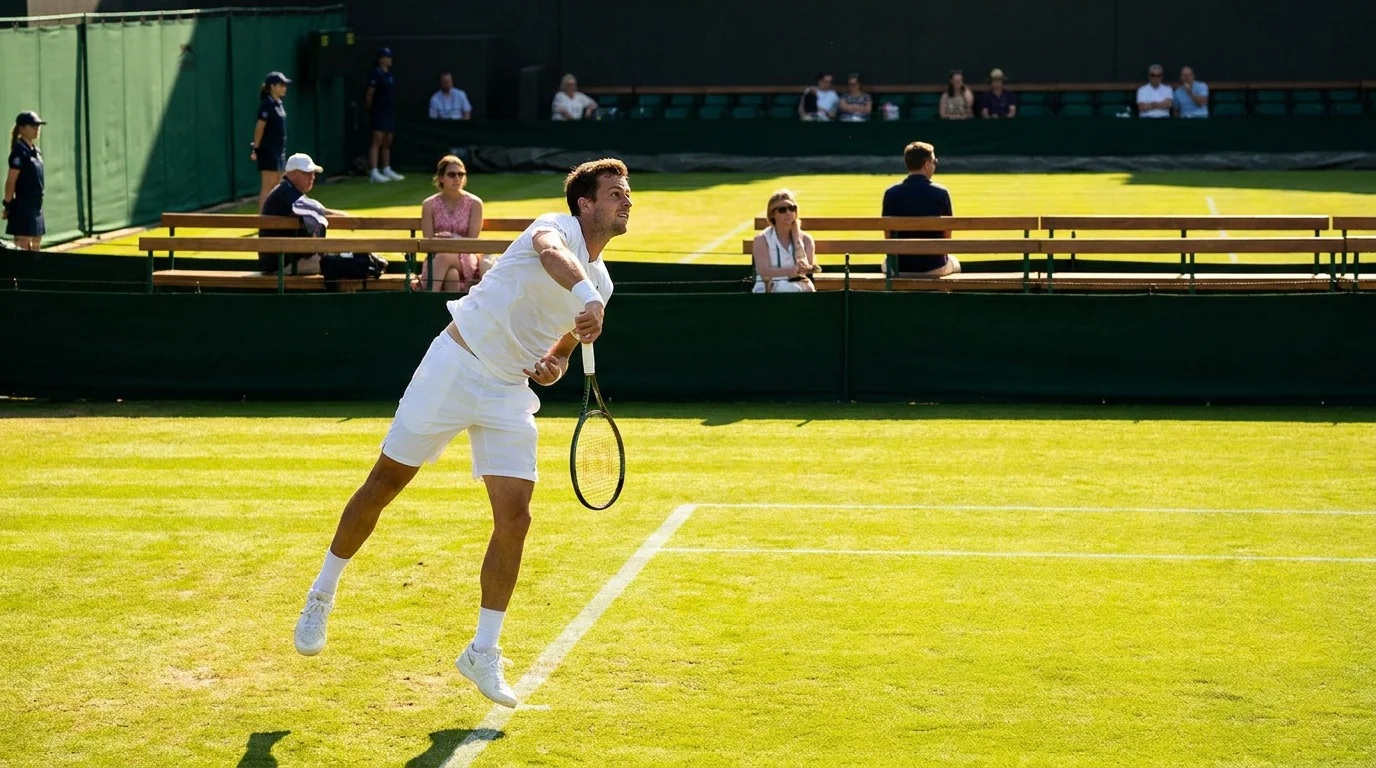
Bookmakers price an outright by assigning each player an implied probability, then padding the whole field with margin. The favourites get the tightest, most carefully calculated numbers because that is where the volume goes and where mistakes cost the most. The outsiders get treated very differently — they are priced quickly, in bulk, and padded heavily, because the bookmaker assumes few people are betting them and any single one is unlikely to win. That bulk-pricing is exactly the inefficiency you are exploiting. The further down the board you go, the lazier the number tends to be, and the more a genuine grass specialist can be hiding behind a price built for an average player at that ranking.
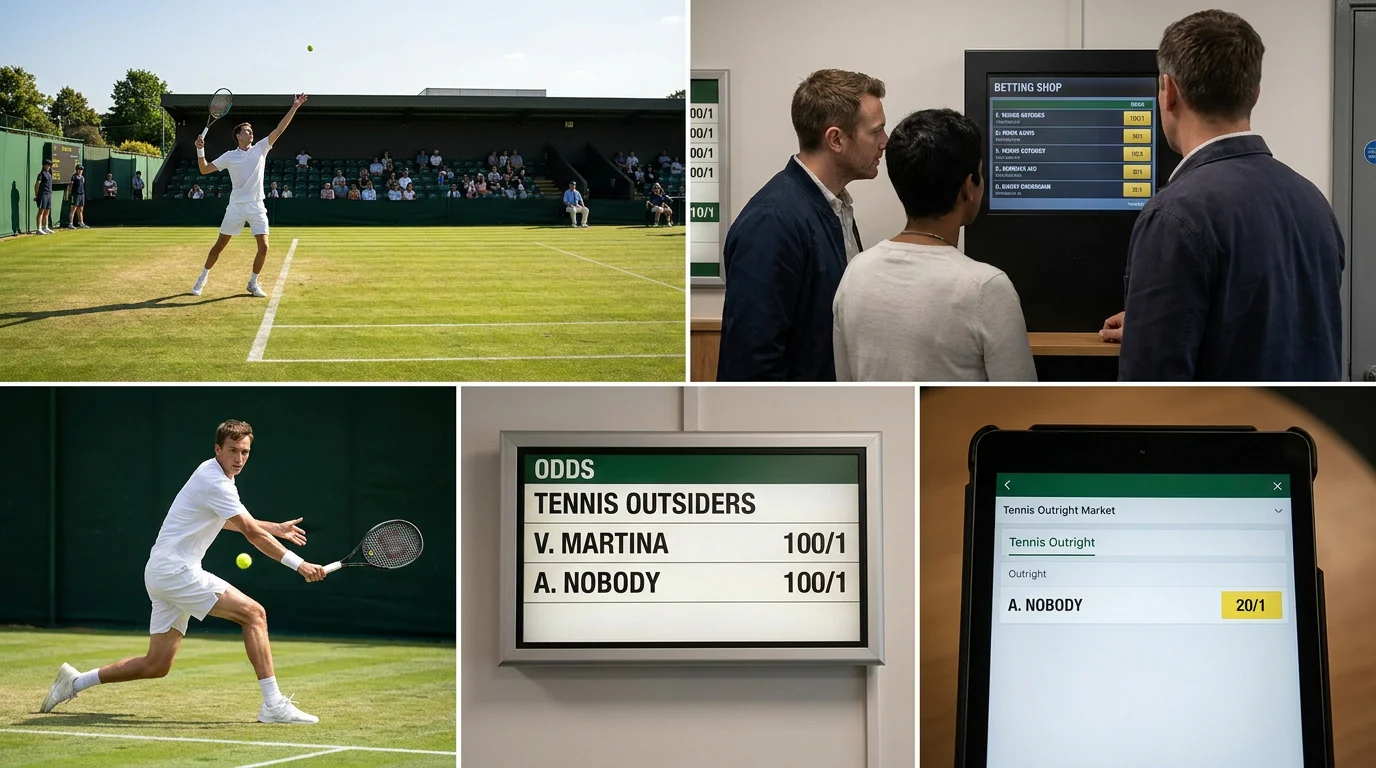
There is a useful corollary here. Because the outsider prices are padded so heavily, the overround — the bookmaker’s built-in margin — is far steeper at the bottom of the market than at the top. That cuts both ways. It means the headline price on a longshot flatters to deceive, since a chunk of it is margin rather than genuine value, but it also means a real mispricing has further to travel before the market corrects it. When the sharp money does pile into an underpriced grass specialist, the price can tumble fast, and getting in before that move is the entire skill of dark-horse betting.
Staking outsiders without overspending
The fastest way to ruin a good dark-horse read is to bet it like a favourite. I learned this the expensive way, backing four different outsiders for the same tournament at full stakes and watching all four lose by the second Wednesday. The edge was real. The staking was reckless.
Longshots win rarely by definition, so they have to be staked as small, repeated investments, not as conviction bets. I cap any single outright outsider at well under one percent of my bankroll, and I treat a portfolio of two or three dark horses as one combined position rather than three separate punts. The maths is brutal but honest: if you back five 40.00 shots across a fortnight and one comes good, you are in profit, but only if each stake was small enough that the four losers did not bury you. Backing outsiders is a numbers game played over many tournaments, and the bettors who survive it are the ones who never let a single longshot feel important.
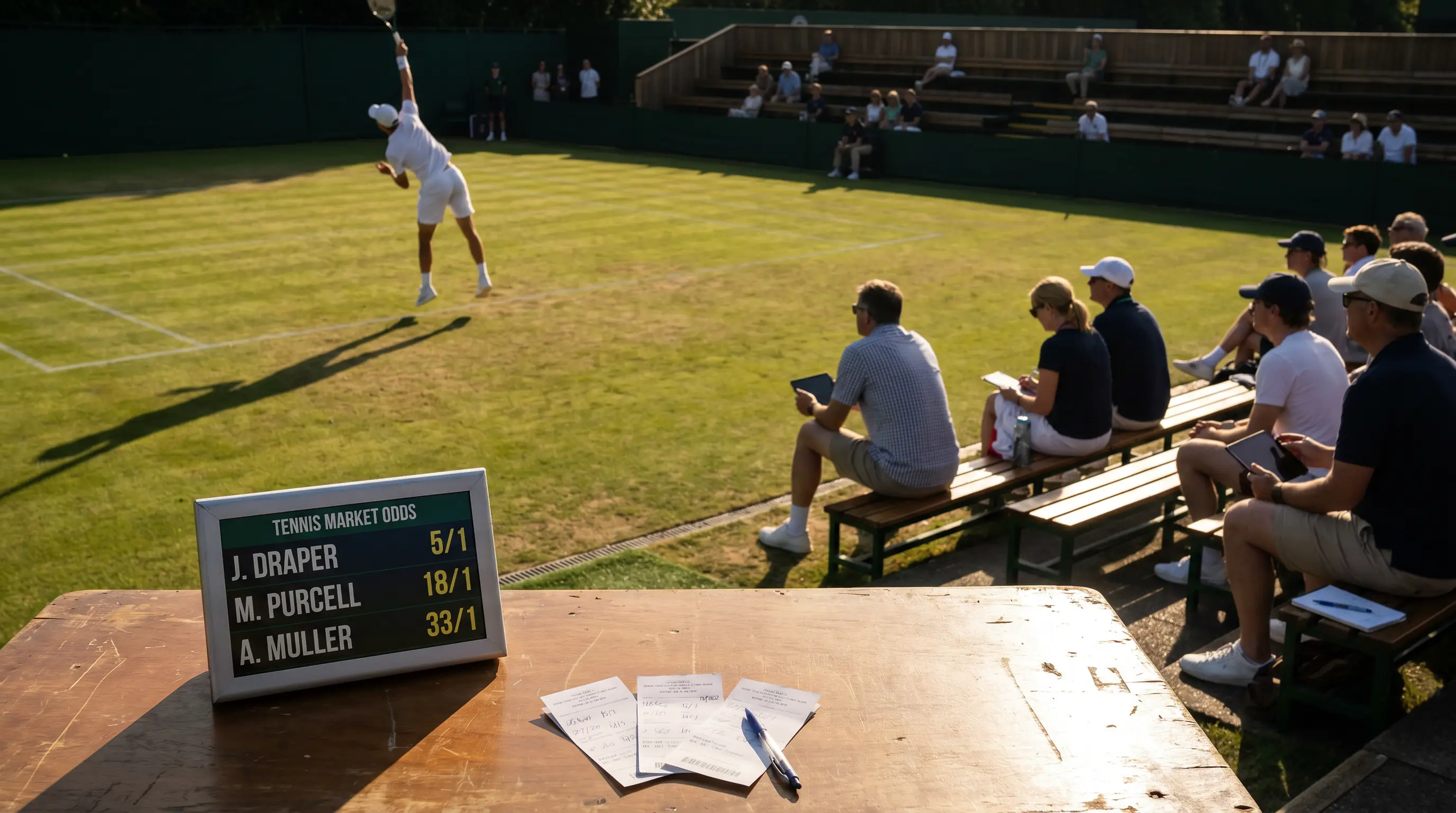
If you want to widen your net beyond the title itself, the same outsider logic applies to reading the bracket — a kind draw can turn a longshot into a live runner. I dig into that in my guide to how Wimbledon seeding affects the betting markets.
How much should I stake on a longshot?
Keep it well under one percent of your bankroll per outsider, and treat a group of two or three dark horses as a single combined position. Longshots lose far more often than they win, so the only way they make money over time is if each individual stake is small enough that a run of losers does not damage you.
Are qualifiers ever worth backing at Wimbledon?
Occasionally, yes. A qualifier with a big grass-court serve and a soft opening section of the draw can be genuinely underpriced, because the market anchors to their low ranking rather than their surface fit. Treat them as small speculative stakes and look specifically at recent grass-court holds rather than their overall results.
