
 Available in US
Content
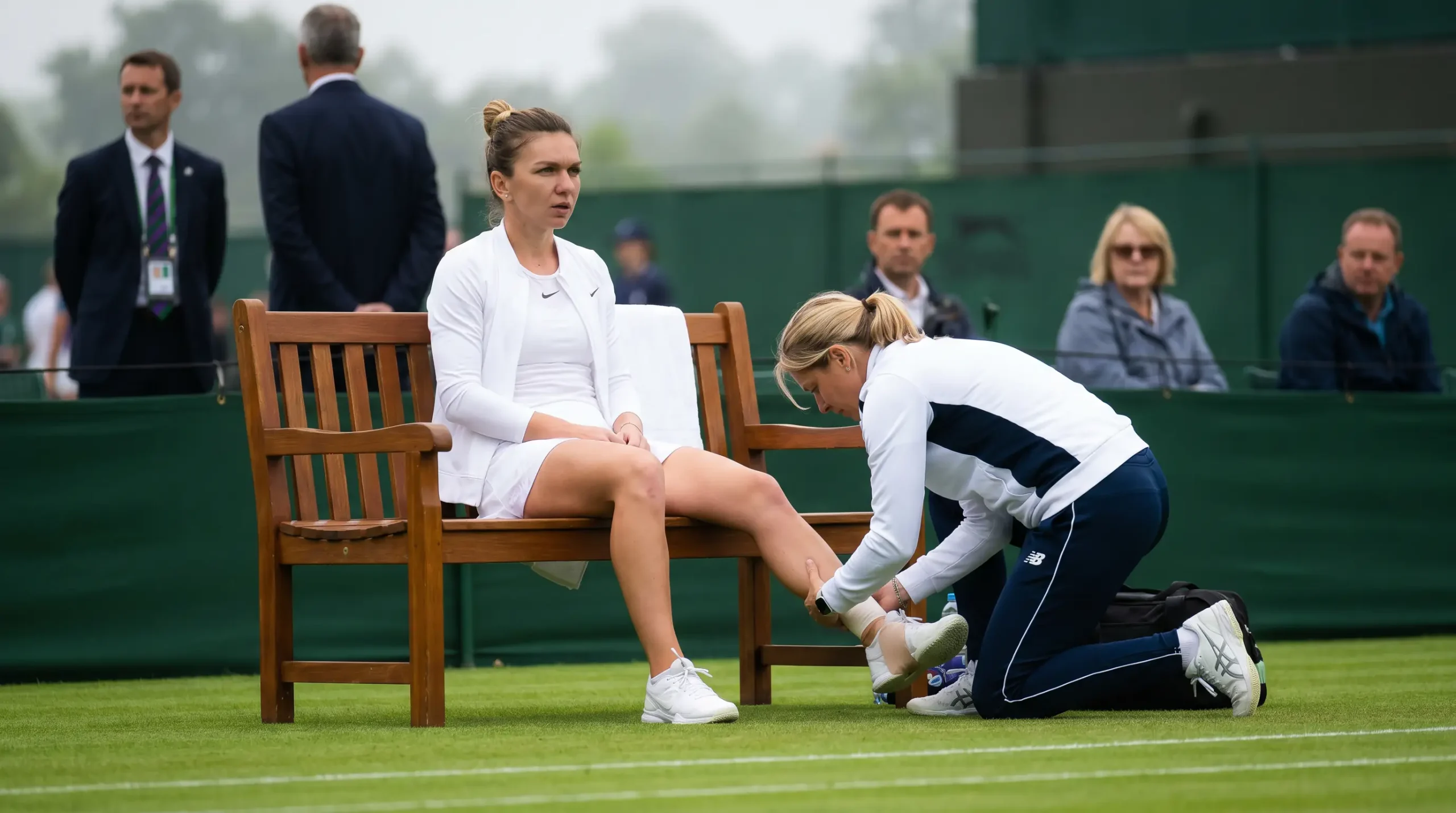
What happens when a player pulls out
The most painful losing bet of my early years was not a bad call. It was a winning position torn up by a retirement I had not read the rules on. My player was a set and a break up, cruising, and his opponent shook hands clutching a hamstring. I expected a payout. I got a void — because the bookmaker I used settled retirements differently from the way I assumed. That afternoon taught me to read the small print before the match, not after.
A retirement happens when a player who has started a match cannot continue and withdraws mid-contest. A walkover is different: it happens when a player pulls out before the match begins at all, often through injury or illness in the preceding round. Both are common over a long fortnight, and both can turn a winning bet into a void, a loss or a payout depending entirely on rules you agreed to when you placed the stake.
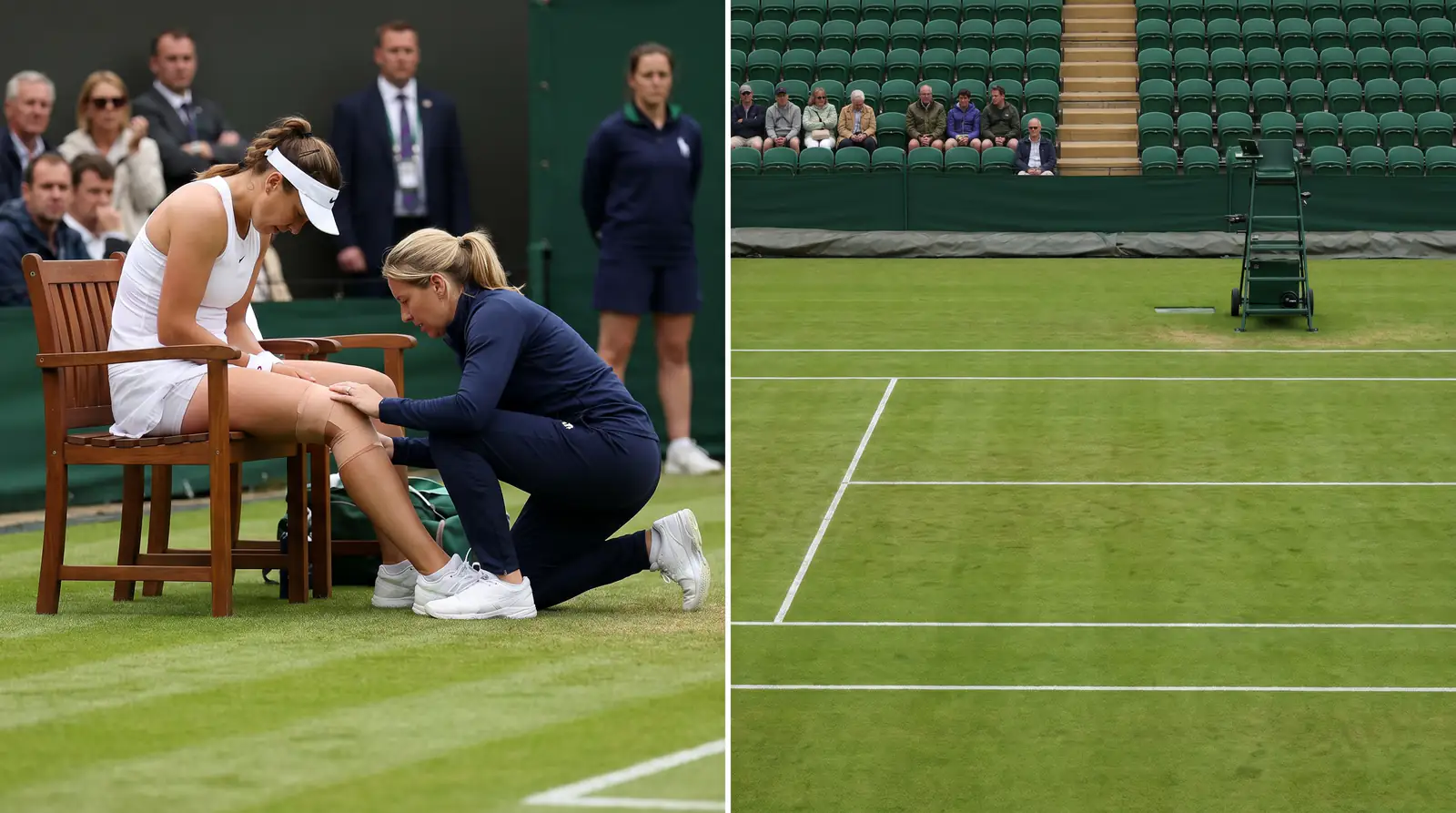
This is the least glamorous topic in tennis betting and one of the most important. Get it wrong and the cleverest read in the world counts for nothing.
How retirements settle bets
The first thing to understand is that there is no single universal rule. Settlement depends on the market you bet and the policy of the book you bet with, and those policies vary more than newcomers expect.
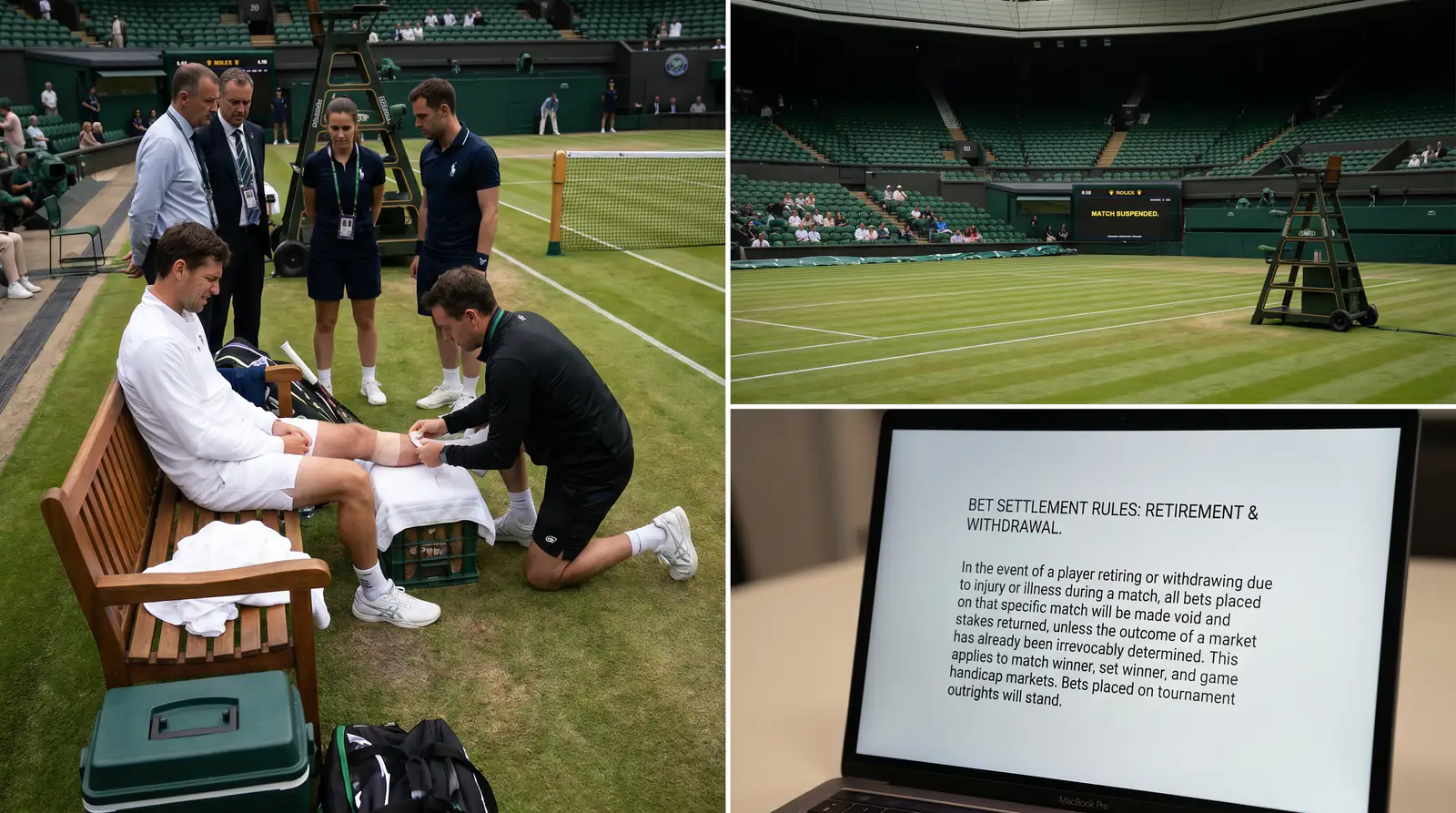
The most common approach to match-winner bets is the “one ball” or “first serve” rule: once the match has started, the player who is awarded the win — by their opponent retiring — is deemed the winner, and bets stand. Under this rule, if your player is leading and the opponent retires, you are paid; if your player retires, you lose. A stricter alternative is the “one set complete” rule, where the match must reach a defined point, often the completion of the first set or even the full match, before bets are settled, and anything short of that is voided with stakes returned. The same retirement can therefore win you money at one book and refund your stake at another, purely because of which rule applies.
This matters enormously on grass, where the serve dominance that defines the surface means matches can be tight and physically brutal in the heat of a July fortnight. Top players hold serve around 86 percent of the time on a fast lawn, so a leading player is often only a break ahead rather than miles in front when an opponent breaks down — meaning a retirement frequently strikes when the result is still genuinely in the balance. Knowing whether your “winning” position actually pays is not academic; it is the difference between profit and a void.
Rules vary by market and book
Match-winner is only the start of it. Every other market has its own retirement logic, and the variation between them is where bettors get caught.
Set betting, correct score and handicap markets are particularly sensitive. If you have backed a player to win 3-1 and the match ends in a retirement at one set all, that exact scoreline can never be reached, so the bet is typically voided rather than lost. Handicap and total-games bets often hinge on whether enough of the match was completed to settle the line fairly — a total-games over bet might be voided if the match stops early before the line could realistically be reached, while an under might be settled as a winner if the threshold was already impossible to exceed. Outright and stage bets usually treat a retirement as a straightforward loss for the player who withdraws, since they have plainly exited the tournament.
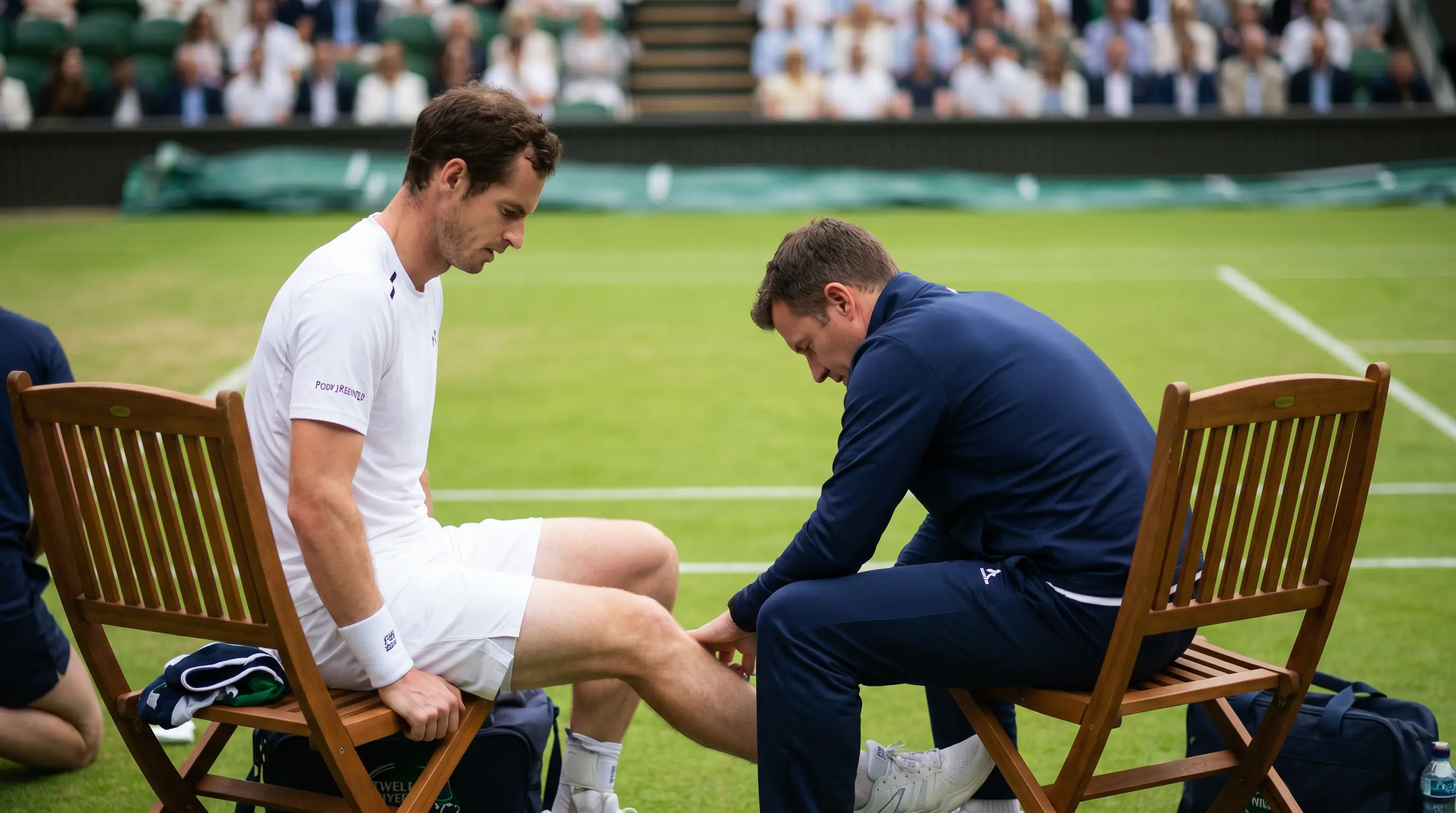
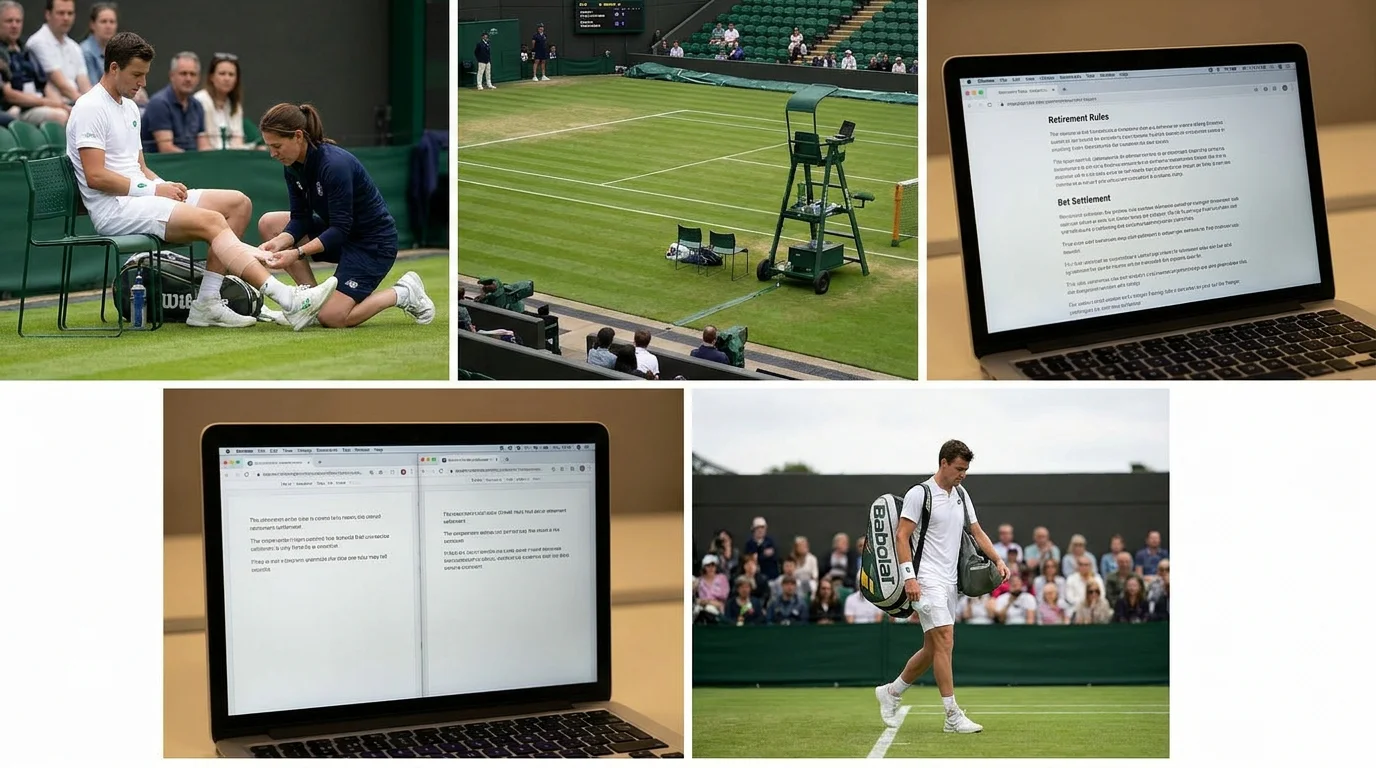
The lesson is to know, before you bet, exactly how your chosen market handles an early finish at your chosen book. The serve-heavy nature of grass, where matches can swing on a single break, makes these edge cases more frequent than on slower surfaces, so the small print earns its keep here more than anywhere.
One pattern worth internalising is that the more specific the market, the more likely an early finish voids it. A simple match-winner bet usually survives a retirement under a ball-in-play rule, because there is still a clear winner. But the moment you bet something that depends on a precise outcome — an exact set score, a games handicap, a total-games line — you are exposed to the possibility that the match simply does not produce enough tennis to settle the bet fairly. I think of it as a trade-off: the precise markets that pay better odds also carry more void risk on an early finish, and that risk is part of the price you pay for the longer return.
Managing retirement risk
Retirement risk cannot be eliminated, but it can be managed, and the first tool is information. I pay close attention to the physical state of players I am backing — anyone who limped through a five-setter in the previous round, anyone returning from injury, anyone visibly struggling in the heat. A player carrying a niggle on grass, where the low bounce and quick movement stress the body in particular ways, is a retirement risk regardless of how the scoreline looks.
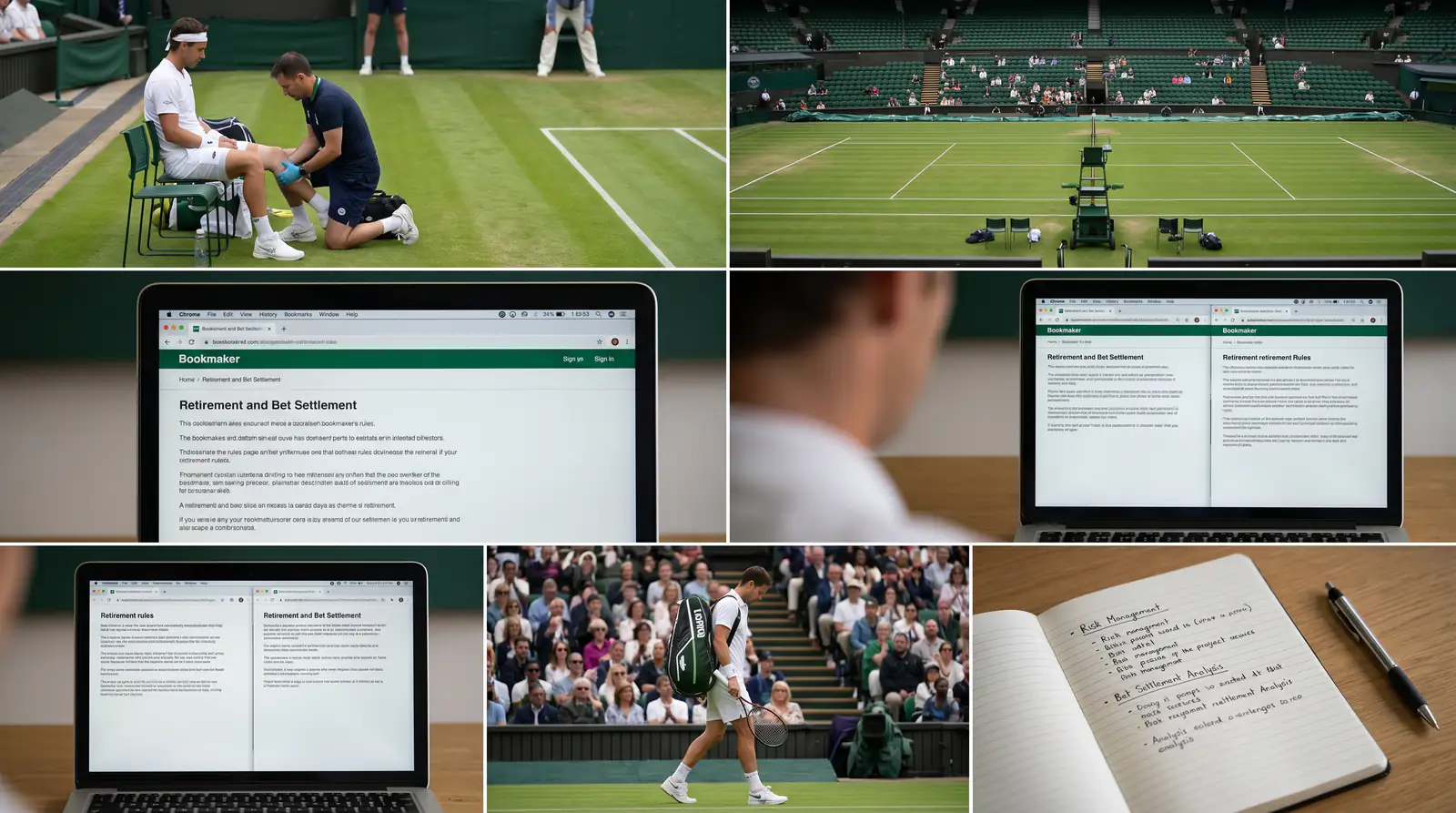
The second tool is choosing markets that suit your risk appetite. If retirement risk worries you, favour books with clear “ball in play” settlement so a winning position pays once the match starts, and be cautious with precise markets like correct score that void on an early finish. And remember that the same serve dominance that makes grass matches close — top players winning well over seventy percent of points on their own delivery — means a leading player may not be as far ahead as the scoreline suggests when an opponent breaks down. Read the body, read the rules, and size your stake for the possibility that a match you are winning simply ends. The neighbouring concern, how a player’s fitness and recent form should shape your bet in the first place, is one I cover in my guide to betting on Wimbledon around injury and form.
Do I get my stake back if a player retires in set one?
It depends on the book’s settlement rule. Under a strict one-set-complete rule, a retirement before the first set finishes usually voids the bet and returns your stake. Under a ball-in-play rule, the player awarded the win is deemed the winner and bets stand. Always check which rule applies before you bet.
How do different books treat a walkover?
A walkover, where a player withdraws before the match begins, is usually treated differently from an in-match retirement. Many books void all bets on a walkover and return stakes because no play took place, but policies vary, so confirm how your chosen book handles a pre-match withdrawal rather than assuming it pays out.
