
 Available in US
Content
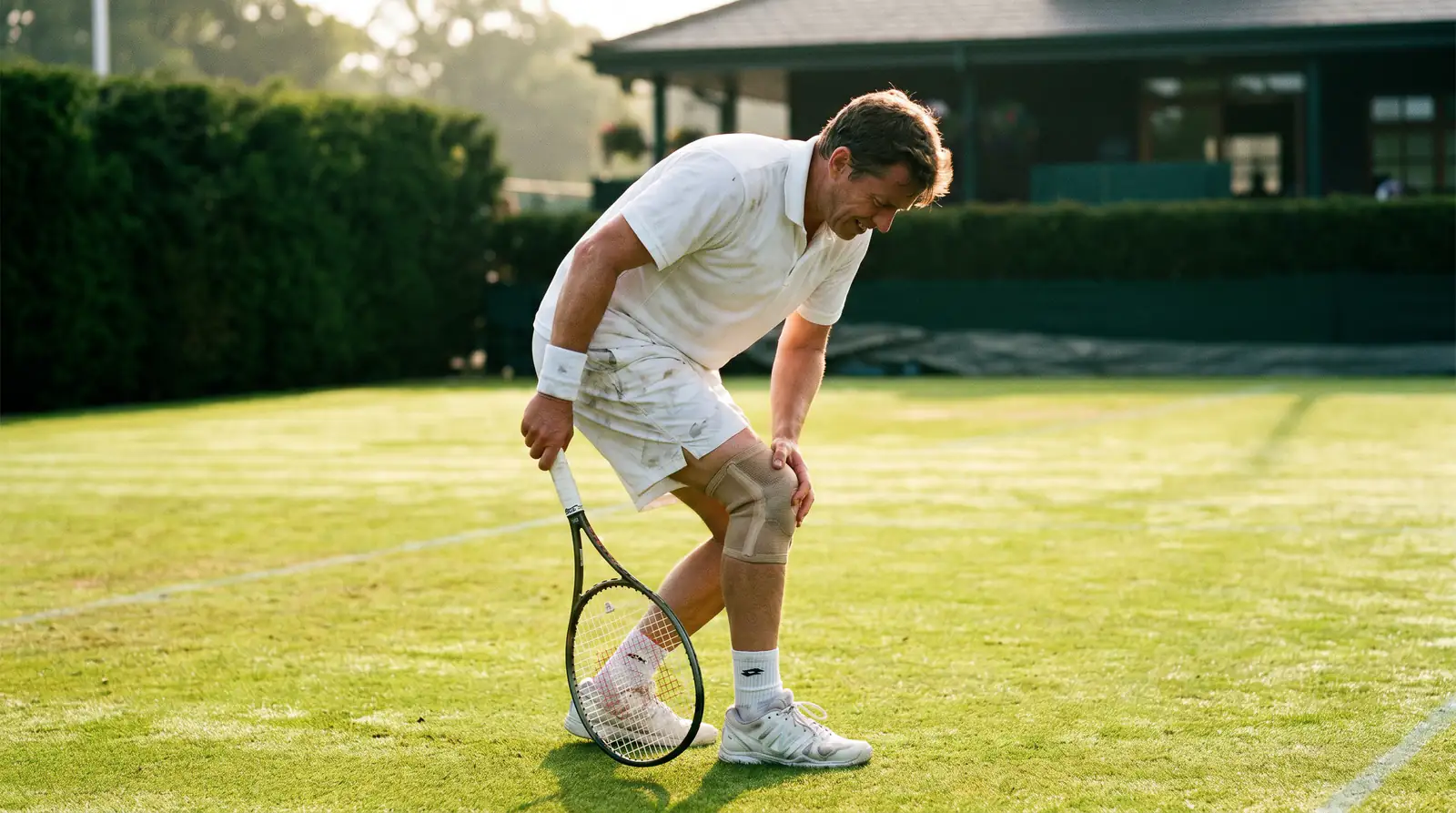
Why fitness moves grass-court prices
I once watched a heavily backed seed limp through his warm-up on the practice courts the morning of a match, then talked myself into backing him anyway because the price was so tempting. He lost in straight sets, barely moving. The lesson stuck: on grass, where movement is everything, a body that is even slightly compromised is a far bigger problem than the prices often reflect.
Form and fitness are the two variables that move tennis prices most outside the players’ names themselves, and grass amplifies both. The surface demands sharp, low movement and explosive changes of direction, so a player carrying an injury — or simply out of rhythm after a poor lead-in — is exposed more brutally here than on a forgiving clay court where there is time to recover in a rally.

Reading injury and form well is less about medical knowledge and more about disciplined observation. The signals are there if you know where to look, and the market is often slow to price them properly.
Reading grass-court form signals
The single biggest mistake I see is bettors reading a player’s overall season form when they should be reading their grass form specifically. A player can be in superb shape on clay and look like a stranger to himself on a lawn three weeks later, because the surfaces reward completely different games.
Grass form is its own thing, and it is built almost entirely on the serve and the first few shots of a rally. A player whose serve is firing on grass holds easily, shortens points, and protects his body from long exchanges — exactly what the surface rewards. The career ace gap between an extreme grass server, around 18 percent, and a clay-court baseliner nearer 7 percent illustrates how decisive the serve becomes on a fast surface. So when I assess grass-court form, I am looking at how a player held serve in his lead-in events, whether his first-serve percentage held up, and how comfortable he looked moving on the surface, not at how many matches he won on clay in the spring.
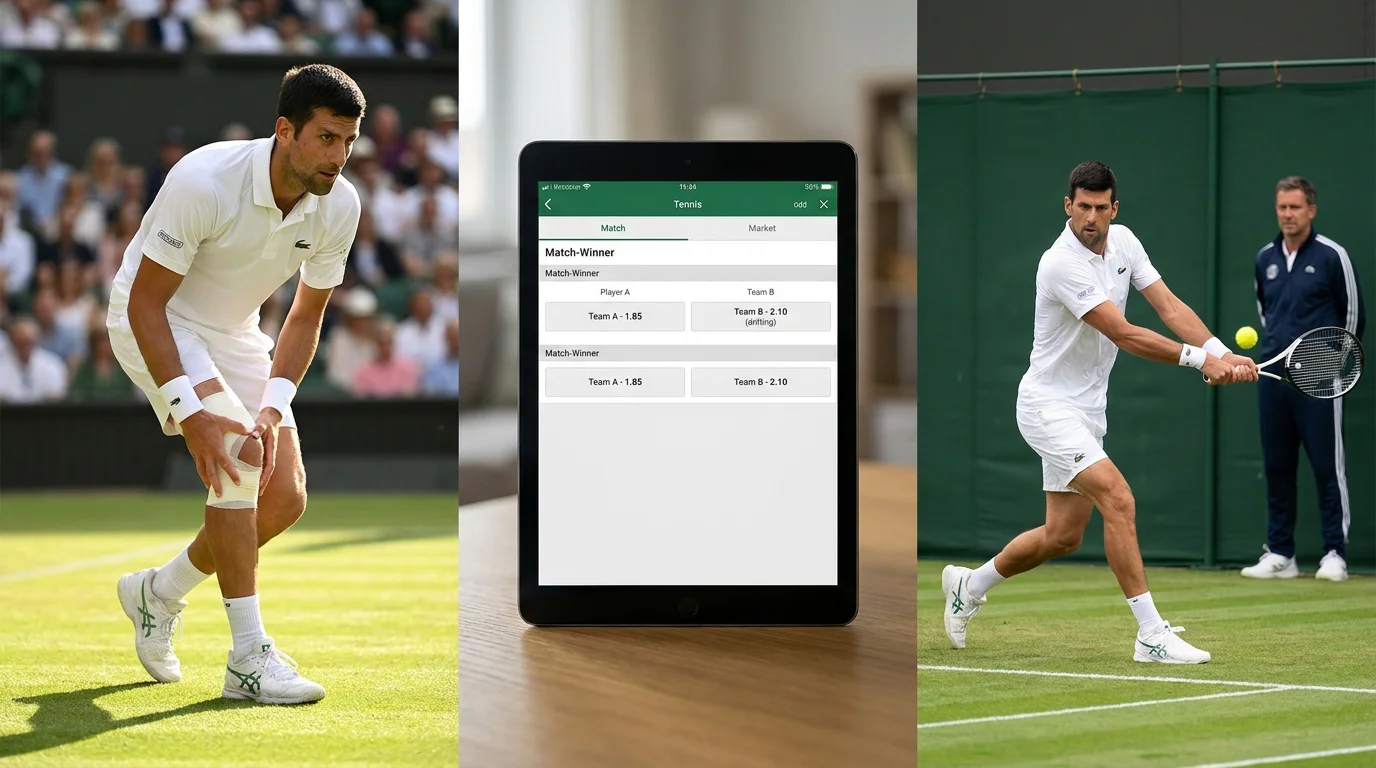
Recent grass results carry real weight, but only the right ones. A title at a grass-court warm-up the week before tells me far more than a deep run on hard courts a month earlier. I weight the most recent grass-court evidence heavily and discount everything that happened on a different surface, because on a lawn the surface-specific form is the form that matters.
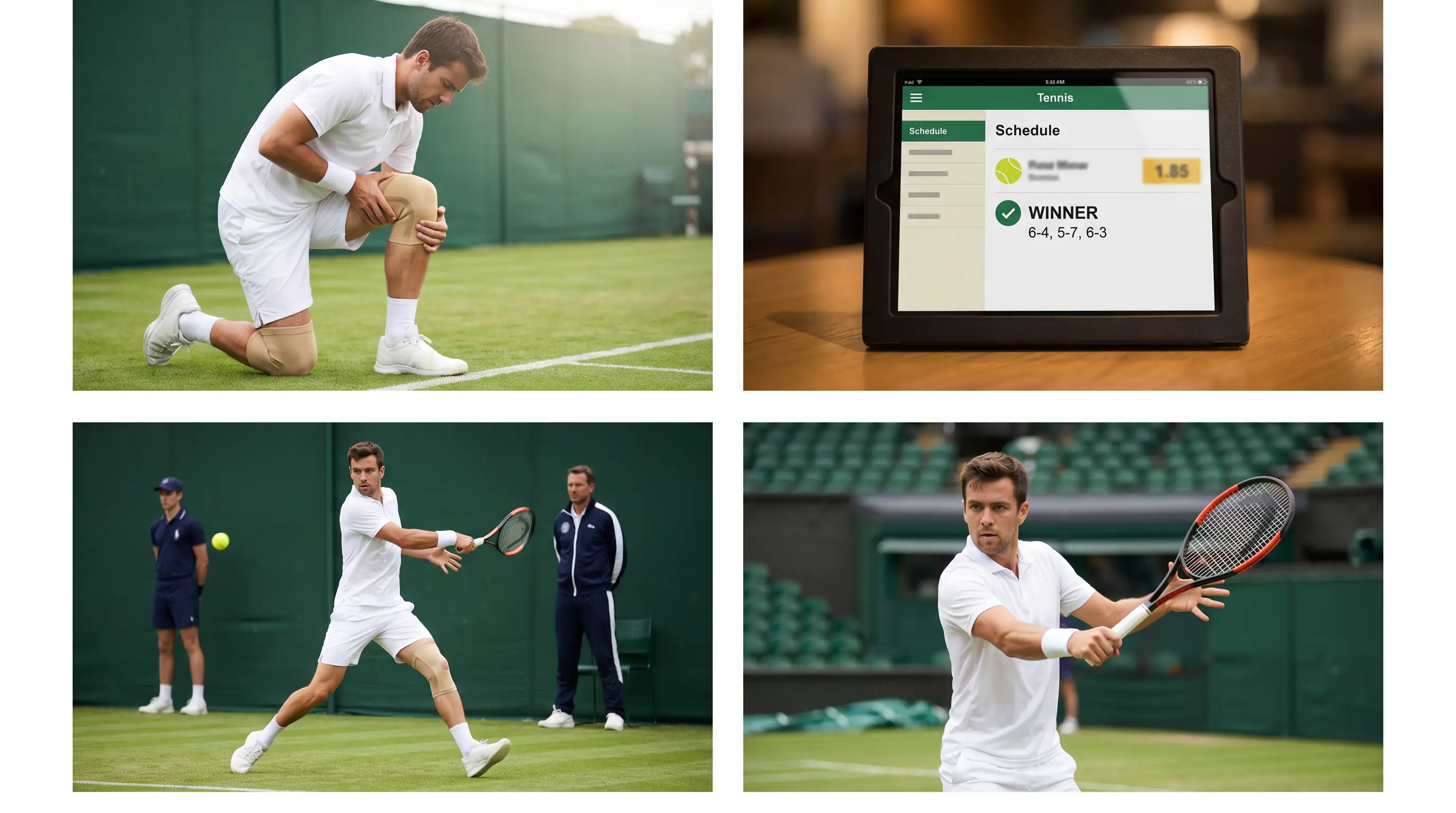
There is a subtlety here that catches a lot of bettors out: the lead-in to Wimbledon is short. The grass season is the briefest of the year, only a few weeks between the clay swing and the Championships, so the sample of recent grass form is small and can be misleading. One bad loss at a warm-up event does not necessarily mean a player is out of sorts on the surface, and one good run does not guarantee he has solved it. I treat the grass lead-in as the best evidence available while remembering it is a thin sample, and I lean on a player’s longer grass-court history — how he has performed at Wimbledon and the warm-ups across several seasons — to fill in what a few weeks cannot tell me.
Spotting injury risk in prices
Sometimes the market knows something you do not, and the price is the tell. When a player’s odds drift outward for no obvious reason in the hours before a match, it often means money is reacting to news — a tweak in practice, a strapped knee, a withdrawal rumour — that has not yet hit the headlines.

I treat a sudden, unexplained drift as a warning rather than a bargain. The temptation is to see lengthening odds on a strong player as free value, but a drift driven by injury news is the market correctly repricing a diminished player, not a mistake to exploit. The skill is distinguishing a genuine mispricing from an informed move, and the honest truth is that you usually cannot, so caution wins.
It is worth being humble about how much any single price movement actually tells you, though. As the sport’s integrity body puts it, unusual betting patterns “can arise for many reasons beyond match-fixing, such as mispriced odds, informed betting, and player form and fatigue.” That list is a useful checklist for the bettor too: a price that moves strangely is far more likely to reflect form, fatigue or someone betting on better information than anything sinister, and over a long fortnight fatigue in particular reshapes prices constantly as bodies wear down. Read drifts as information about fitness and form, and resist the urge to invent a more dramatic story.
Betting around uncertainty
When fitness is in doubt, the right response is usually to bet less, not to bet cleverly. Uncertainty is a reason to reduce your stake or pass entirely, not to chase a tempting price on a player who might break down. I have lost far more money backing fragile favourites at generous odds than I ever made from them.
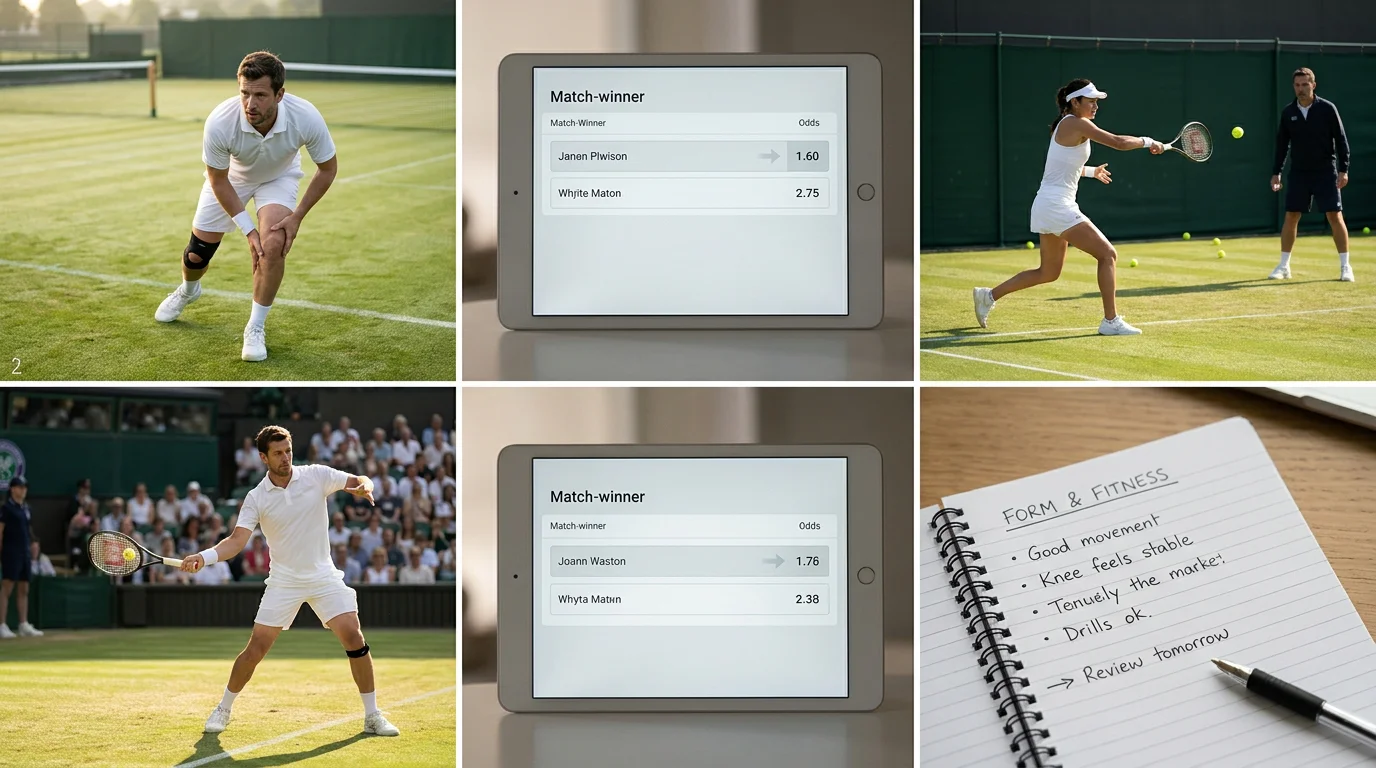
That said, injury and form uncertainty does create genuine opportunities on the other side of the bet. When a fragile favourite is still priced as if he were fully fit, the underdog opposite him is correspondingly overpriced, and backing the healthy outsider can be the value play. Grass sharpens this: a fully fit player with a solid serve against a compromised opponent on a surface that punishes restricted movement is a stronger bet than the names alone suggest. The key is to let your read on fitness and form drive your staking — bigger when the picture is clear and a healthy player is underrated, smaller or nothing when the picture is murky. And when a doubtful player does break down mid-match, the settlement rules decide whether your bet wins, loses or voids, which is exactly why I always pair a fitness read with a working knowledge of Wimbledon retirement and walkover betting rules.
How much weight should recent grass results carry?
A great deal, far more than results on other surfaces. Grass rewards a different game from clay or hard courts, so a strong grass-court warm-up tells you more about a player’s chances than a deep run elsewhere a month earlier. Weight the most recent grass evidence heavily and discount form built on surfaces that play nothing like a lawn.
Does a pre-tournament withdrawal shift the whole draw’s odds?
It can, especially if a seed pulls out. Their removal hands a softer path to the players in that section, shortening their prices to reach later stages, and it opens up the part of the draw they vacated. A high-profile withdrawal reprices not just the affected match but the surrounding bracket.
