
 Available in US
Content
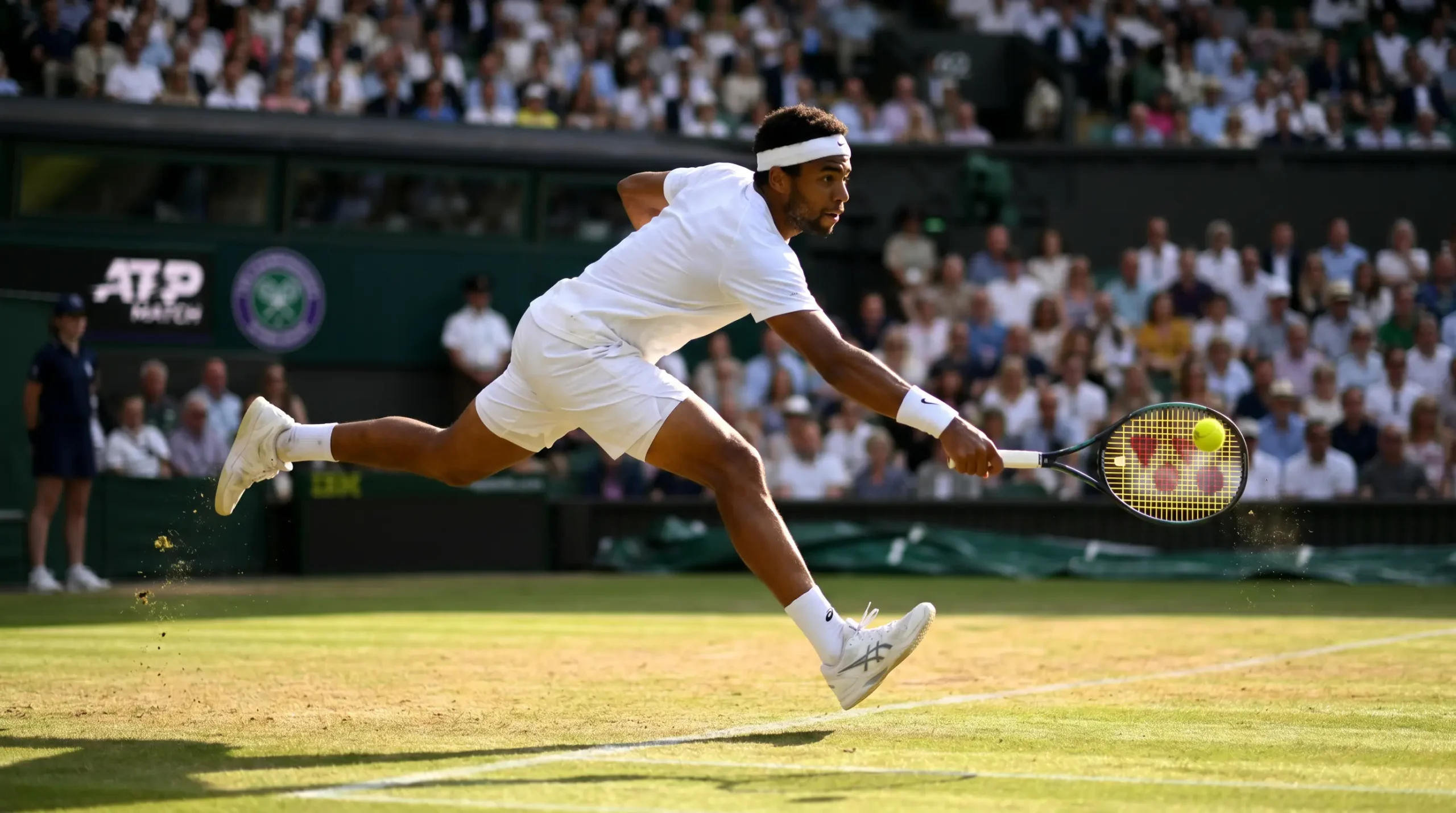
Why five sets favour the form player
The single most useful thing I ever learned about betting the men’s draw came from losing a 1.40 favourite in a best-of-three exhibition, then watching the same two players meet at Wimbledon a fortnight later — where the favourite won in straight sets without a hint of drama. Two more sets had turned a coin-flip into a procession.
Best-of-five is the men’s format at all four Grand Slams, and at Wimbledon it does something specific: it gives the better player room to recover from a bad start and still win. A dropped opening set is a setback, not a sentence. Over five sets, raw quality has more time to express itself, and the random hot streaks that decide shorter matches get diluted. With the 2025 singles champions each taking home a record £3 million, the men arrive in peak condition prepared to grind, and the format rewards exactly that endurance.
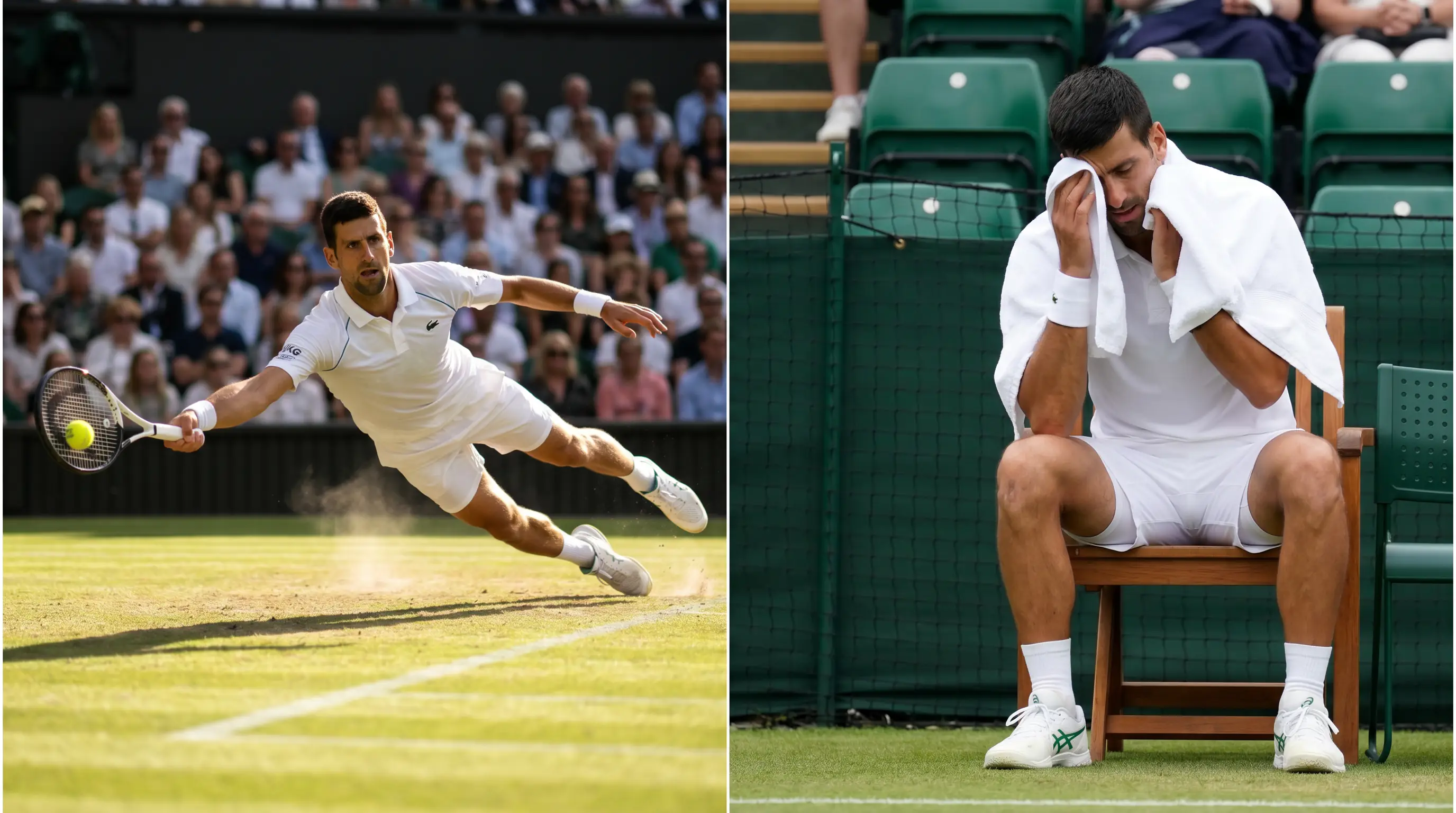
For the bettor, the headline is simple and it is the opposite of the women’s draw: favourites are safer, upsets are rarer in the early rounds, and the markets reflect a world where class usually tells. Here is how to read it.
How best-of-five rewards the favourite
Think of best-of-five as the format giving the better player a mulligan. In a three-set match, losing the first set means you are halfway to defeat. In five sets, you have lost a fifth of the contest and there is plenty of road left to reassert yourself.
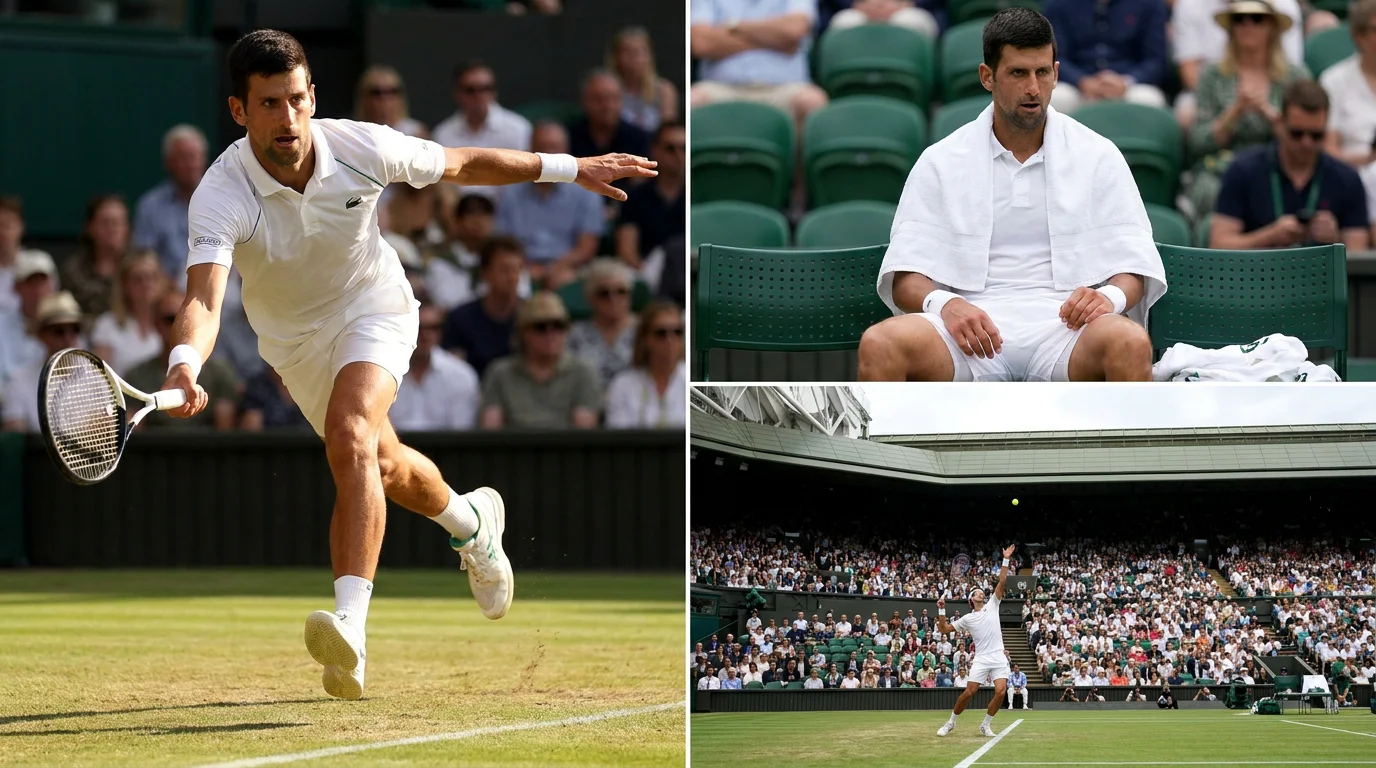
This is why men’s favourites convert at a higher rate than their odds-equivalent women’s counterparts. The extra sets act as a filter that strains out flukes — a lower-ranked player might steal a set on a hot serving day, but sustaining that level across the time it takes to win three is a different proposition entirely. The arithmetic that punishes favourites in best-of-three works in their favour here: every additional set is another chance for the superior player’s edge to compound. A men’s favourite at 1.30 is generally a sturdier proposition than a women’s favourite at the same price, and the first week of the draw in particular tends to go to seed.

The flip side is that genuine value on outright underdogs in the men’s first week is scarce. You are usually paying a fair price for a likely result, so the edges have to be found elsewhere — in matchups, in handicaps, and in how a player’s body holds up over a long fortnight.
Serve weight over five sets
If serve matters everywhere on grass, it matters most across five sets, because a player who holds easily can afford to lose concentration on return for stretches and still be in every set. On a fast lawn, top players win well over seventy percent of points on their own delivery, and over best-of-five that reliability becomes a slow, grinding advantage.
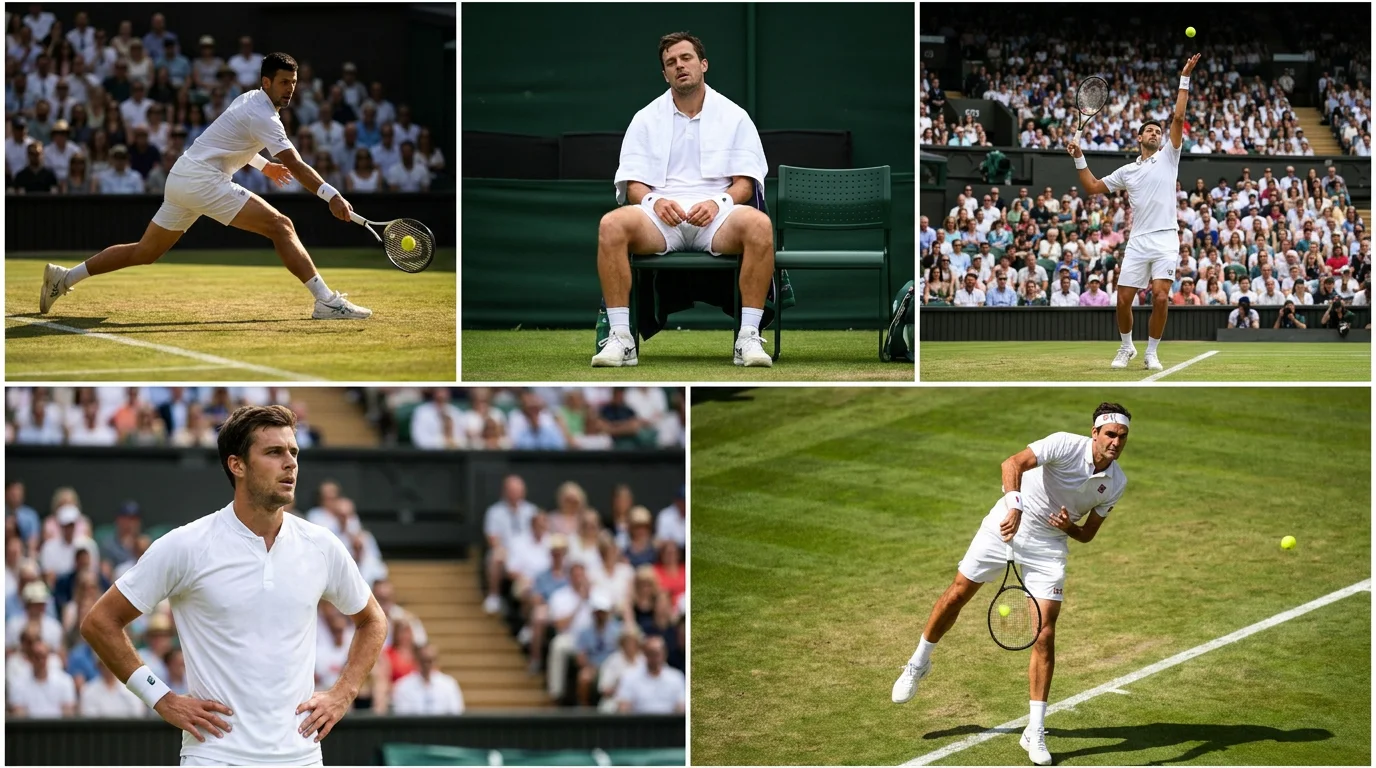
What I watch for is the server who barely faces a break point. A man holding at ninety percent across the early rounds is conserving energy, dictating the rhythm, and forcing the contest onto his own terms set after set. Over three sets a returner might get one good crack at a break and steal a set; over five, that single break is far more likely to be cancelled out by the server’s sheer volume of comfortable holds. The longer the match, the more serve weight tells. A returner who can scrape one break in a best-of-three has done enough to win a set and possibly the match; the same single break across best-of-five is a rounding error against a server holding all afternoon.
It is worth holding a note of caution here, though. As the integrity body for the sport puts it, unusual betting patterns “can arise for many reasons beyond match-fixing, such as mispriced odds, informed betting, and player form and fatigue” — and over five gruelling sets, fatigue in particular is a real and legitimate variable. A man who looked imperious in round one can be a husk by round four after back-to-back deciders. The serve weight that protected him early can sag late, and a price that has not caught up to a heavy body in the previous round is sometimes the men’s draw’s best edge.
ATP-specific markets
The five-set format opens markets that the women’s draw simply cannot offer, and the smart men’s-draw bettor leans into them. Set-handicap betting is the obvious one: backing a strong favourite to win by a margin of sets, or giving an underdog a plus-set start, lets you express a confident read without accepting a miserly match price. Total-games and total-sets lines stretch wider too, because there is more match to fill, which gives more room to fade a likely straight-sets blowout or back a competitive four-setter.

I also pay close attention to next-round prices after a long match. A favourite who survived a five-set war is frequently still priced as the dominant force in his next contest, even though his legs tell a different story. That lag between the result on the board and the body on the court is where the men’s draw quietly pays. I keep a mental note of which seeds have been dragged through deciders, because two or three rounds of cumulative fatigue is the kind of thing the market is slow to fully price, and the player who looked invincible in week one can be vulnerable by the quarter-finals. The contrast with the shorter, choppier women’s event is stark, and I have laid out the other side in my breakdown of why best-of-three changes the maths in the women’s draw.
Why are fewer upsets seen in the men’s first week?
The best-of-five format gives the stronger player time to recover from a bad set and still win. A lower-ranked player can steal a set on a hot day, but winning three before the favourite does is far harder than winning two. The extra sets filter out flukes, so seeds tend to progress through the opening rounds.
Does a long five-setter affect the next-round price?
It should, and sometimes the market is slow to reflect it. A favourite who survives a five-set battle often stays priced as the dominant player in his next match even though fatigue is a genuine factor over a long fortnight. When the price has not adjusted to a heavy body, that lag can be a real edge.
