
 Available in US
Content
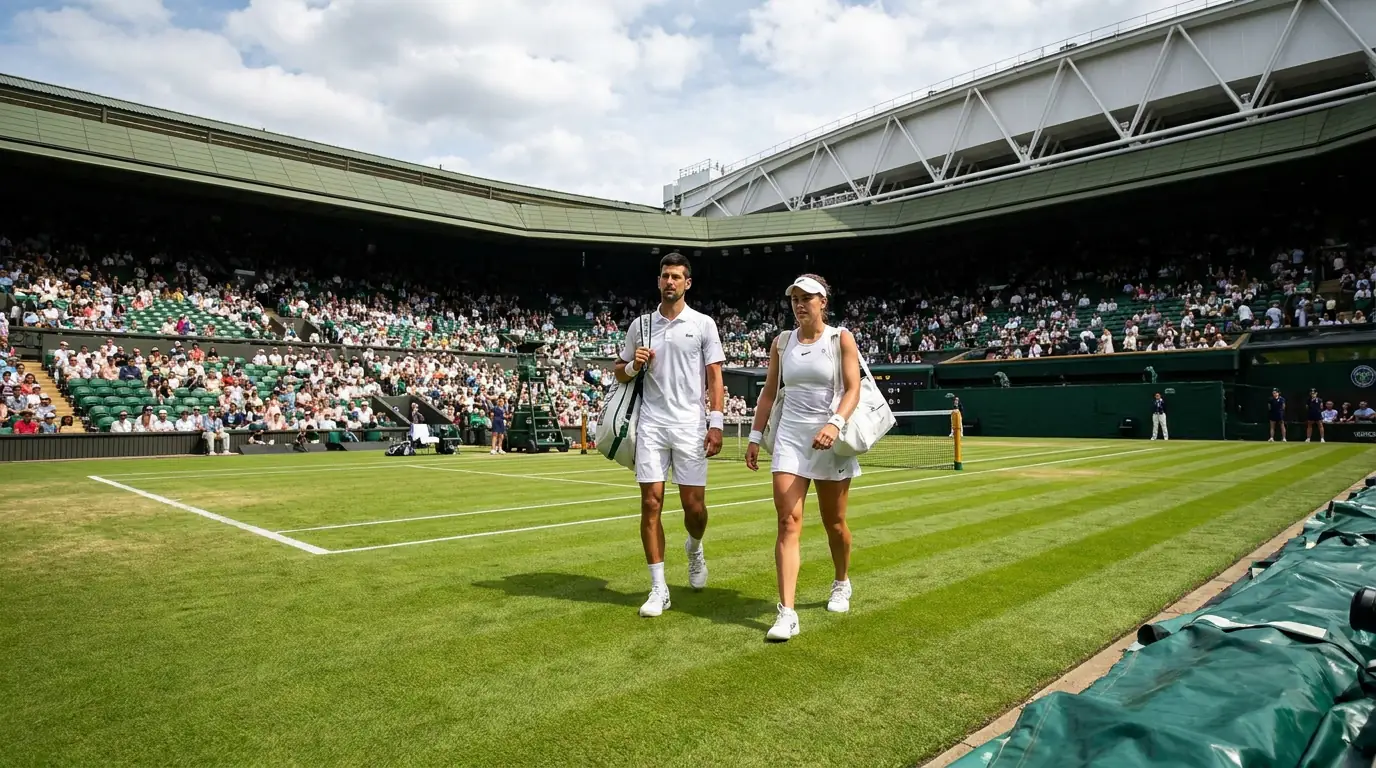
Backing a run, not the title
I think of to-reach-the-final betting as the market for the bettor who is confident but not greedy. You believe a player has a deep run in them, you just are not willing to bet that they survive the one match where anything can happen — the final itself. So you back the run and let the final take care of itself.
To-reach-the-final, and its cousins to-reach-the-semi-final and to-reach-the-quarter-final, pays out when your player gets to that stage, regardless of whether they win the title. It sits squarely between the all-or-nothing outright, where only the champion pays, and the single match, where you sweat one afternoon. With the title worth a record £3 million to each 2025 singles champion, the outright market draws all the attention, which leaves these stage markets quietly underexamined.
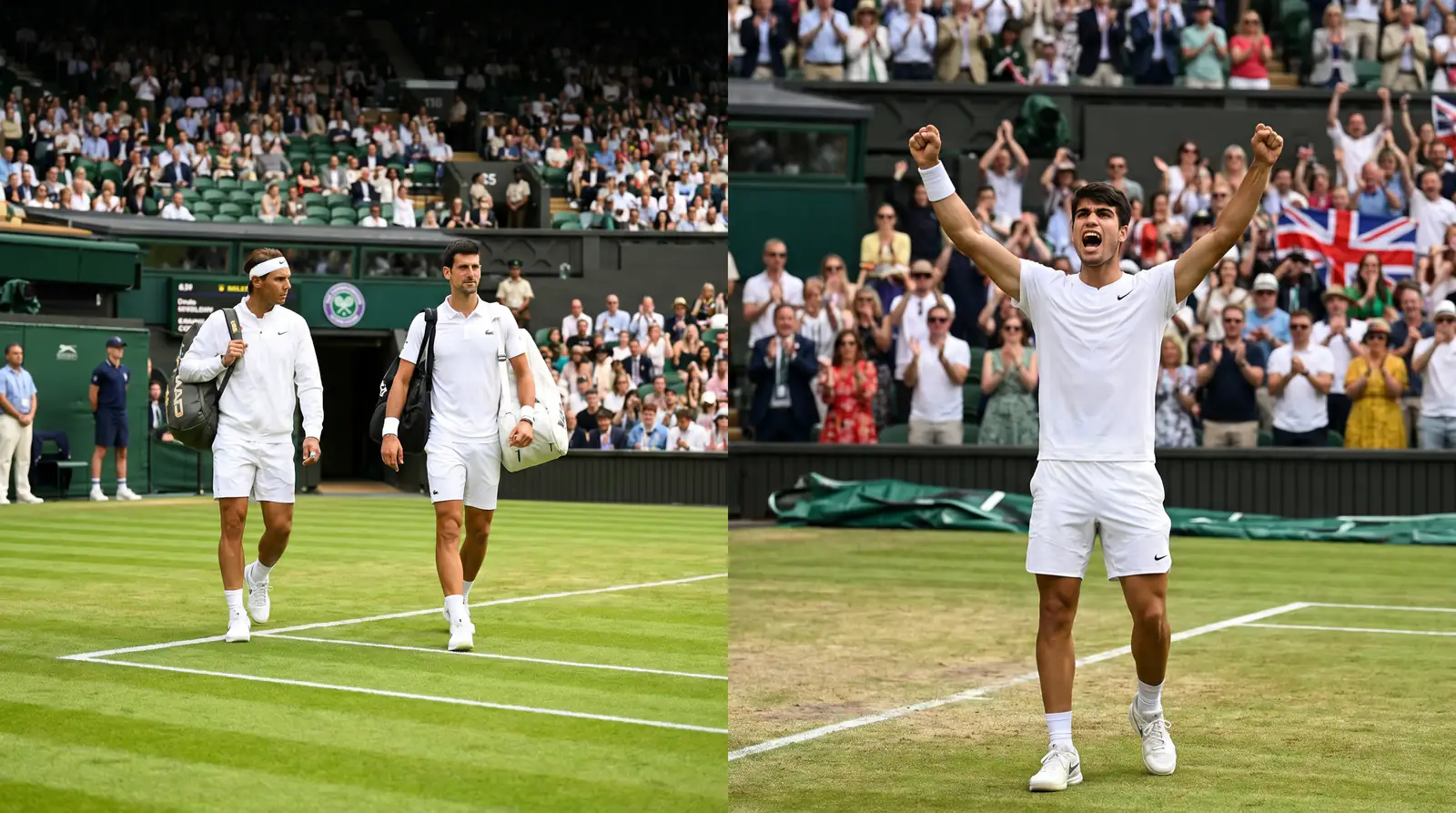
That neglect is the opportunity. These markets reward a skill the outright punter often overlooks entirely: reading the draw rather than ranking the players. And they offer a risk profile that sits comfortably between the two extremes. The single match is over in an afternoon but gives you only one shot at being right; the outright stretches across the fortnight but demands your player survives the one contest — the final — where pressure does strange things to even the best. Reach-the-final threads the needle, paying you for being right about a sustained run while sparing you the lottery of the title decider.
How stage markets are priced
A stage market price is built from one thing above all: the path. The bookmaker estimates your player’s chance of winning each match between now and the target stage, multiplies those chances together, and prices the result with margin on top. Reach-the-final, then, is really a chain of match probabilities — and a chain is only as strong as its weakest link.

This is why two players of identical ability can carry very different reach-the-final prices. The one with three winnable matches before the final is priced shorter than the one who has to beat a fellow contender in the quarters and a grass specialist in the semis. The market is pricing the difficulty of the road, not the quality of the car. That makes stage betting fundamentally a draw-reading exercise, and the bettors who profit are the ones who study the bracket rather than the rankings.
The prices also update constantly as the draw thins out. A favourable result elsewhere in your player’s section — a dangerous floater getting knocked out by someone weaker — can shorten their reach-the-final price overnight, because their path just got easier. Watching for those path-altering results is half the game, and it is a part of betting most casual punters ignore entirely. They place their stage bet on day one and never look at it again, when the smart move is to treat the price as a living thing that breathes with every result in the relevant section of the draw.
Using the draw to find value
My approach to stage markets is to score the path before I look at the price. I take my player’s projected route to the final, match by match, and ask how grass-friendly each likely opponent is. A player whose path is littered with clay-courters and shaky servers has a far smoother run than the ranking gap alone suggests, and that mismatch between path quality and price is exactly where value lives.
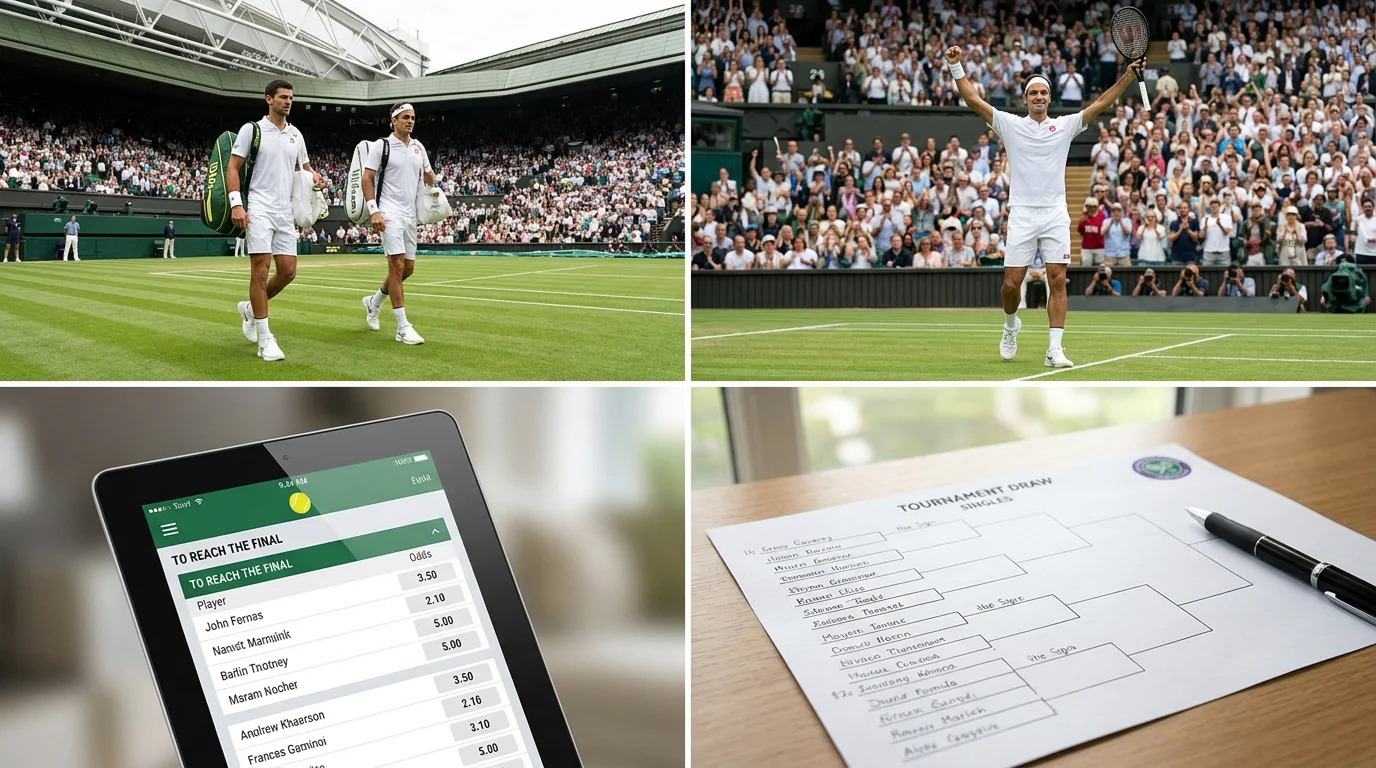
The detail that matters most on grass is, predictably, the serve. A reach-the-final candidate who would face a series of big servers has a harder road than one who would face a string of returners, because on a fast lawn a single hot serving day from an opponent can end a run. I weight a player’s draw by how many serve-led threats sit between them and the final, and I will happily back a slightly weaker player with a kinder path over a stronger one stuck behind a wall of grass specialists. The career ace gap between an extreme grass server near 18 percent and a clay baseliner around 7 percent is the kind of profile difference that tells me which projected opponents are genuine threats on this surface and which are passengers.
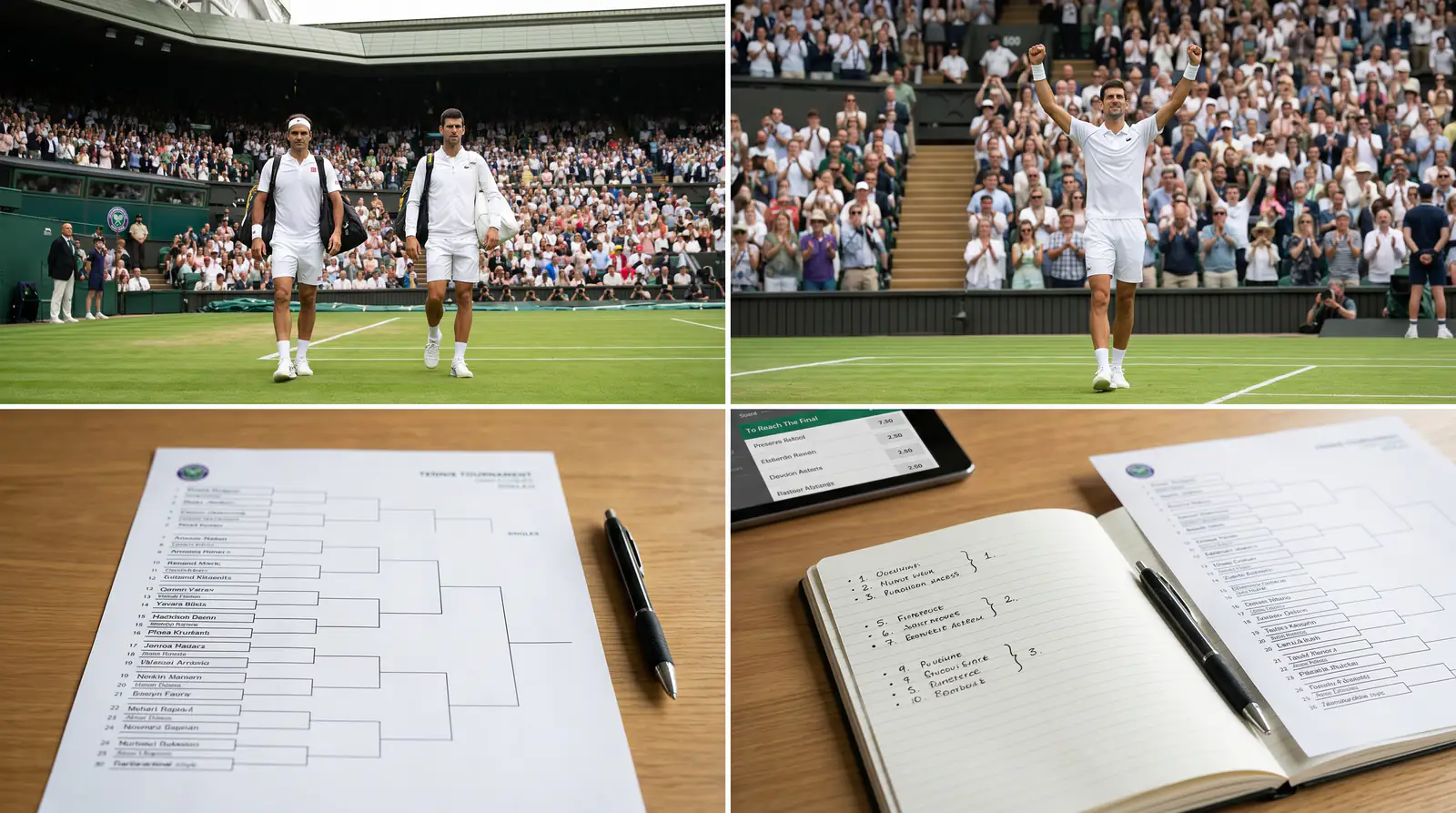
There is a second layer to draw-reading that the price often misses, and it is scheduling. A player who has been handed a run of matches on the show courts with a day’s rest between them is in a very different position from one shunted onto crowded outside courts with back-to-back fixtures. Over a two-week grind, recovery time is a real edge, and a reach-the-final candidate with a comfortable rhythm to their schedule is worth more than one being run ragged. I fold that into my path score wherever the order of play makes it visible.
When stage bets beat outright
Stage betting earns its place when you rate a player’s run but doubt the final. The outright forces you to bet on them surviving every match including the title decider; reach-the-final lets you cash the moment they make the showpiece, which is a much more forgiving condition. If you think a grass specialist has a great fortnight in them but would be underdog in a final against the world number one, reach-the-final is the cleaner expression of that view.
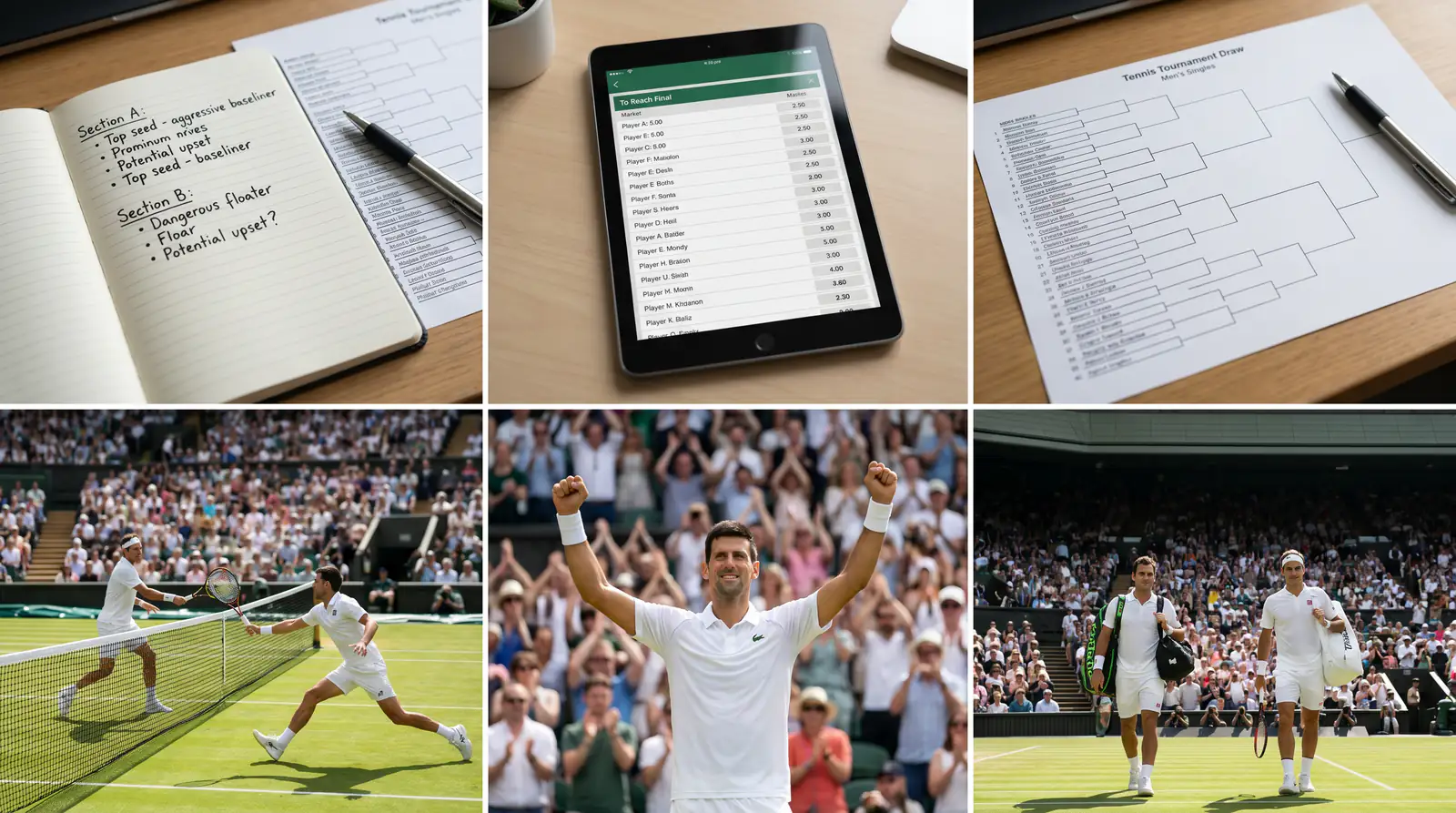
It also smooths out the prize-money pressure that distorts the early rounds. The financial stakes climb steeply with each round — even a quarter-final exit is worth well over a million pounds at the modern Championships, with finalists banking £1.52 million in 2025 — so players are fiercely motivated to advance, and the better player tends to assert themselves once the rounds get serious. That makes deeper-stage markets a touch more predictable than first-week chaos, which suits a careful draw-reader. To price these markets well you need to read the bracket itself, and I have built a full method for that in my guide to Wimbledon draw analysis for betting.
Is to-reach-the-final settled if my player loses the final?
Yes. A to-reach-the-final bet pays out as soon as your player reaches the final, regardless of whether they go on to win the title. That is the whole appeal of the market, since it lets you back a deep run without needing your player to survive the one match where anything can happen.
How does the draw side affect these odds?
Heavily, because the price is built from the difficulty of the path to the final. A player with a section full of weaker or clay-suited opponents carries a shorter reach-the-final price than an equally good player stuck behind several grass specialists. Reading which side of the draw is softer is the core skill in this market.
