
 Available in US
Content
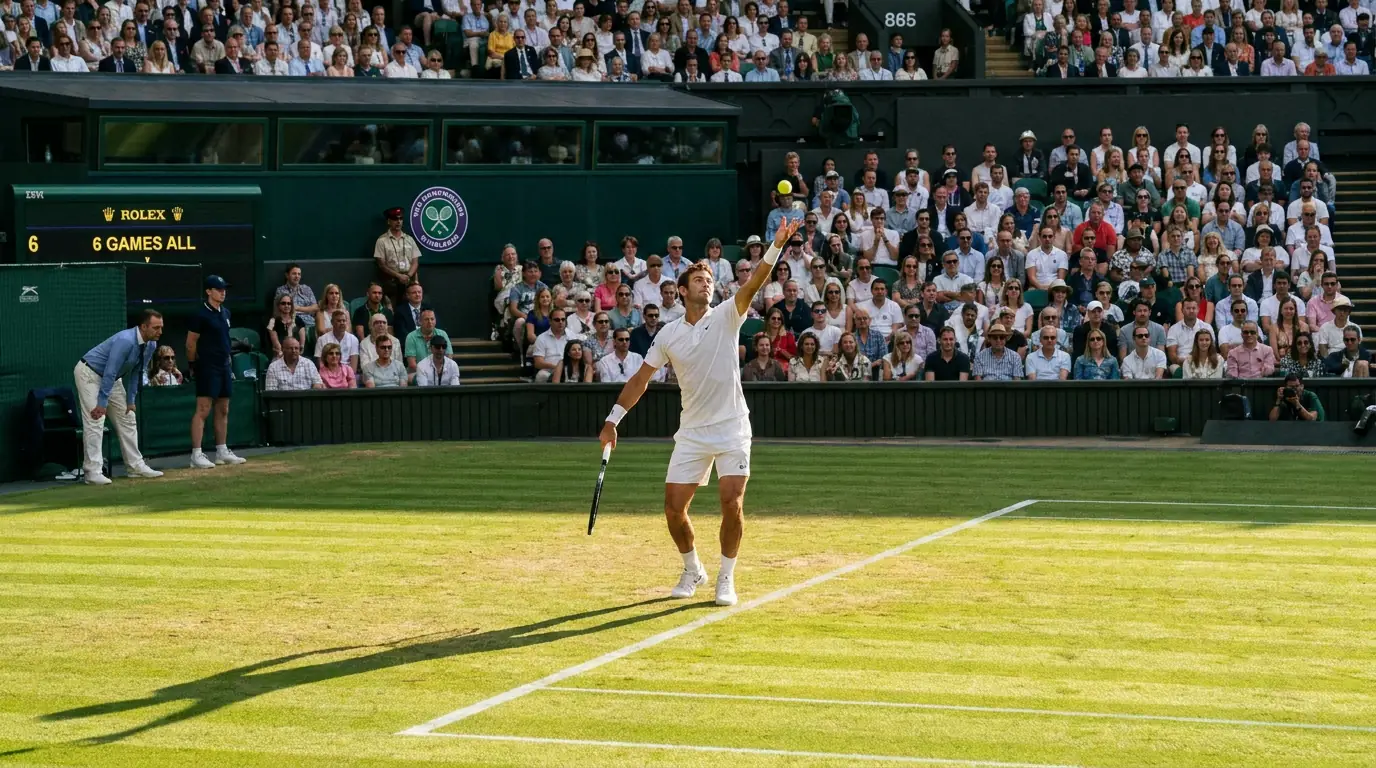
Betting on the tie-break itself
Some of the most reliable money I have made at Wimbledon came not from picking match winners but from predicting that two players would refuse to break each other’s serve. On grass, that refusal happens constantly, and the tie-break — the seven-point sprint that settles a six-all set — becomes a market all of its own. Bettors who only ever look at the match-winner price walk straight past it.
Tie-break betting covers a family of markets: whether a match or a specific set will contain a tie-break at all, how many tie-breaks the match will produce, and occasionally who will win a given one. They are bets on the texture of the contest rather than its outcome, and on the most serve-friendly surface in the sport they are far more predictable than they look.
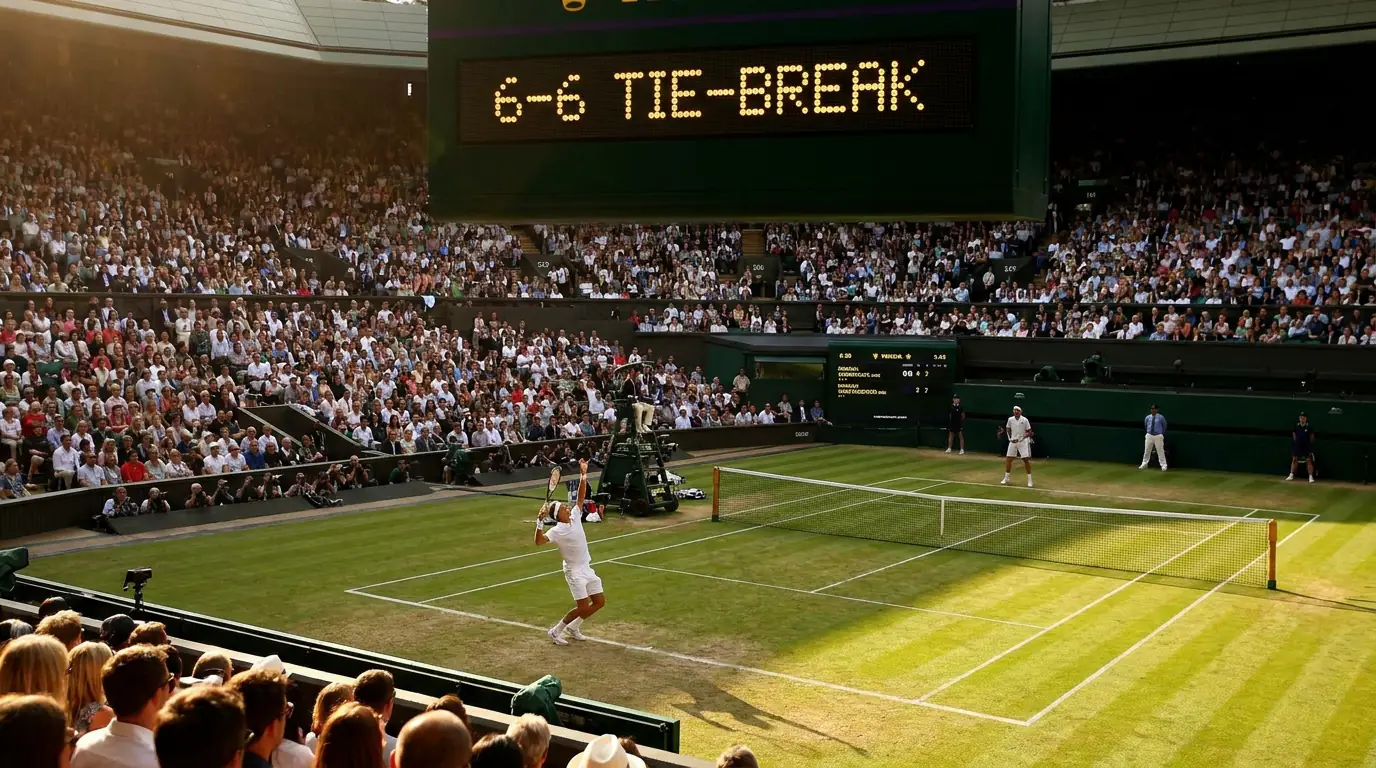
The logic is straightforward once you internalise it. Tie-breaks happen when servers hold and hold and hold until a set reaches six games all, and grass is the surface where that holding pattern is the default. Understand the holding, and you understand the tie-break market.
The tie-break market menu
The simplest tie-break bet is a yes/no: will the match contain a tie-break? The bookmaker prices both sides, weighing how likely the two players are to ride their serves to six-all in at least one set. From there the menu widens — total tie-breaks in the match as an over/under, whether a particular set goes to a tie-break, and in-play markets on who takes a tie-break once one is under way.
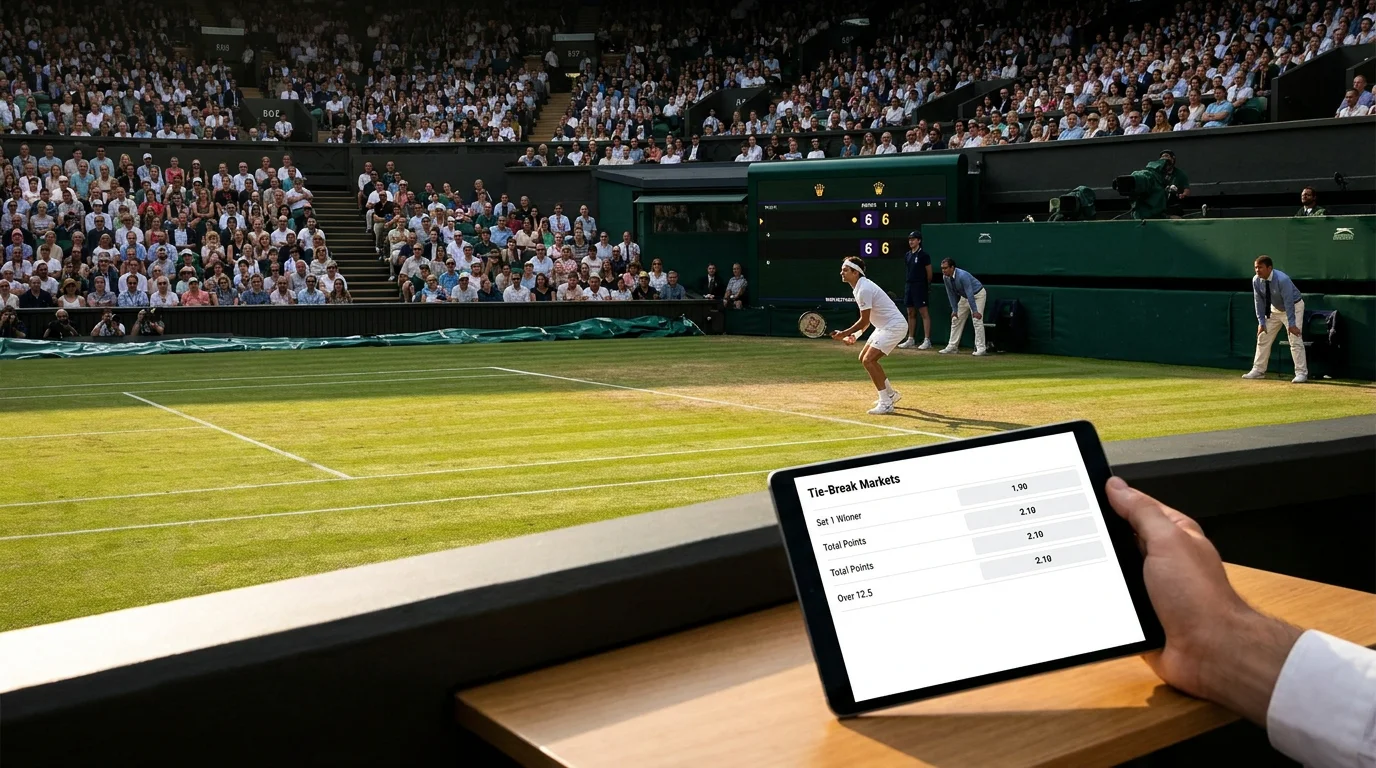
Each of these is, underneath, a bet on break frequency. A match between two players who rarely get broken is a match heading for tie-breaks; a match where one player’s serve leaks is a match that ends in regular breaks and few, if any, tie-breaks. The bookmaker’s line on “match to contain a tie-break” is really a statement about how evenly and how reliably the two players hold serve, dressed up as a yes/no price.
I treat the total-tie-breaks line the same way I treat a total-games line — as a forecast of holding patterns. Two big servers in a best-of-five men’s match can easily produce two or three tie-break sets, while a mismatch with frequent breaks may produce none, and the line has to sit somewhere between those extremes.
There is also a settlement wrinkle worth knowing before you bet these markets. Some books settle “match to contain a tie-break” markets the moment the first tie-break occurs, while others require the full match to complete, which matters if a player retires before a likely tie-break arrives. The same caution applies to who-wins-the-tie-break in-play markets, which can void if the tie-break is interrupted. None of this is complicated, but it is the kind of detail that turns a winning read into a void if you have not checked it, so I always confirm the rule before committing a stake.
Why tie-breaks are common on grass
Here is the heart of it: grass produces more tie-breaks than any other surface because it makes breaking serve so difficult. When neither player can break, sets march inevitably towards six-all, and six-all means a tie-break.
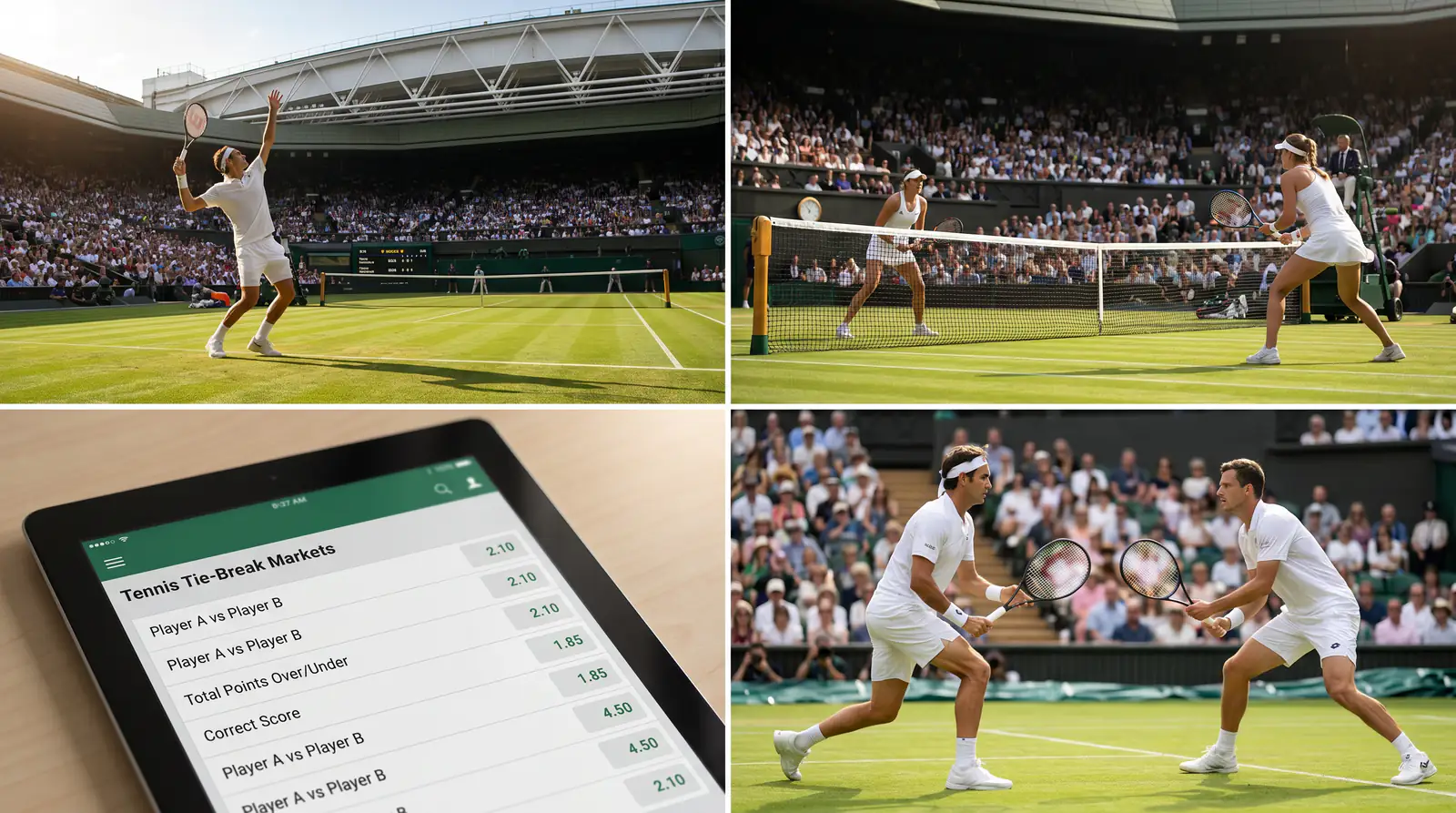
The serve dominance on a lawn is extreme. Top players hold serve around 86 percent of the time on grass, against an average that can fall to roughly 51.7 percent on clay, and that enormous gap is the whole explanation. On clay, where barely more than half of service games are held, breaks come thick and fast and sets rarely reach a tie-break; on grass, where holding is the overwhelming norm, sets between well-matched servers grind to six-all again and again. The faster the court and the bigger the servers, the more the tie-break becomes the natural conclusion of a set rather than a rare event.
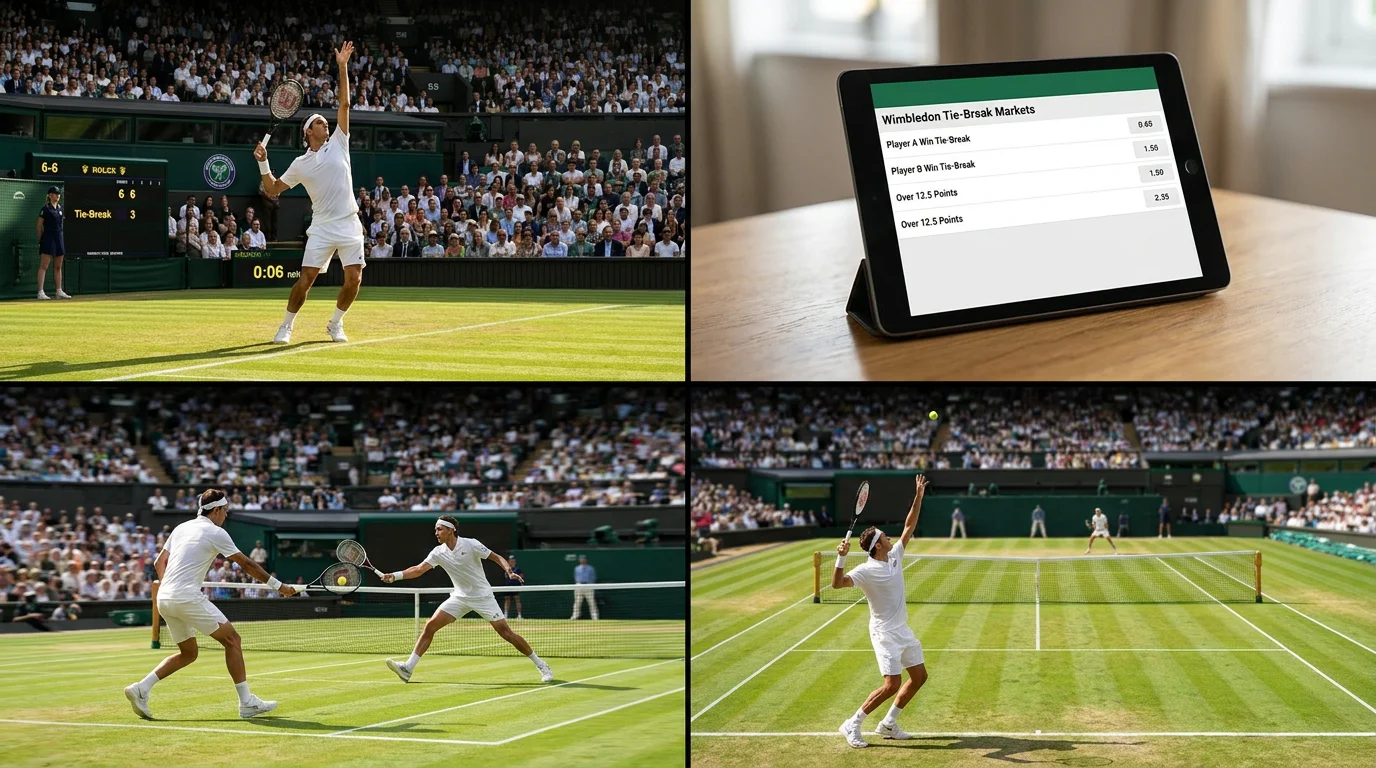
This is why I lean towards backing tie-breaks in serve-dominated grass matchups far more readily than I would on any other surface. When I see two players who both hold comfortably, a tie-break is not a long shot — it is close to the expected outcome, and the market does not always price it that confidently. The surface does the heavy lifting; my job is to spot the matchups where holding is near-certain and the breaks will not come.
The matchup to be wary of is the one with a great returner in it. A player who consistently breaks even the biggest serves drags a set away from a tie-break, because his returns generate the break that the holding pattern would otherwise prevent. So before I back a tie-break, I check not just that both players serve well but that neither is the kind of elite returner who can crack a strong serve on grass. Two big servers with ordinary returns is the ideal tie-break matchup; add a world-class returner to the mix and the whole calculation shifts towards breaks and away from the six-all sprint.
The final-set tie-break format
Wimbledon’s deciding-set rules have changed over the years, and knowing the current format is essential before you bet a final-set tie-break market. For a long time Wimbledon famously had no final-set tie-break at all, forcing players to win the decider by two clear games and producing some epic, marathon final sets. That changed, and the tournament now uses a tie-break in the deciding set, triggered once the set reaches a set number of games all.
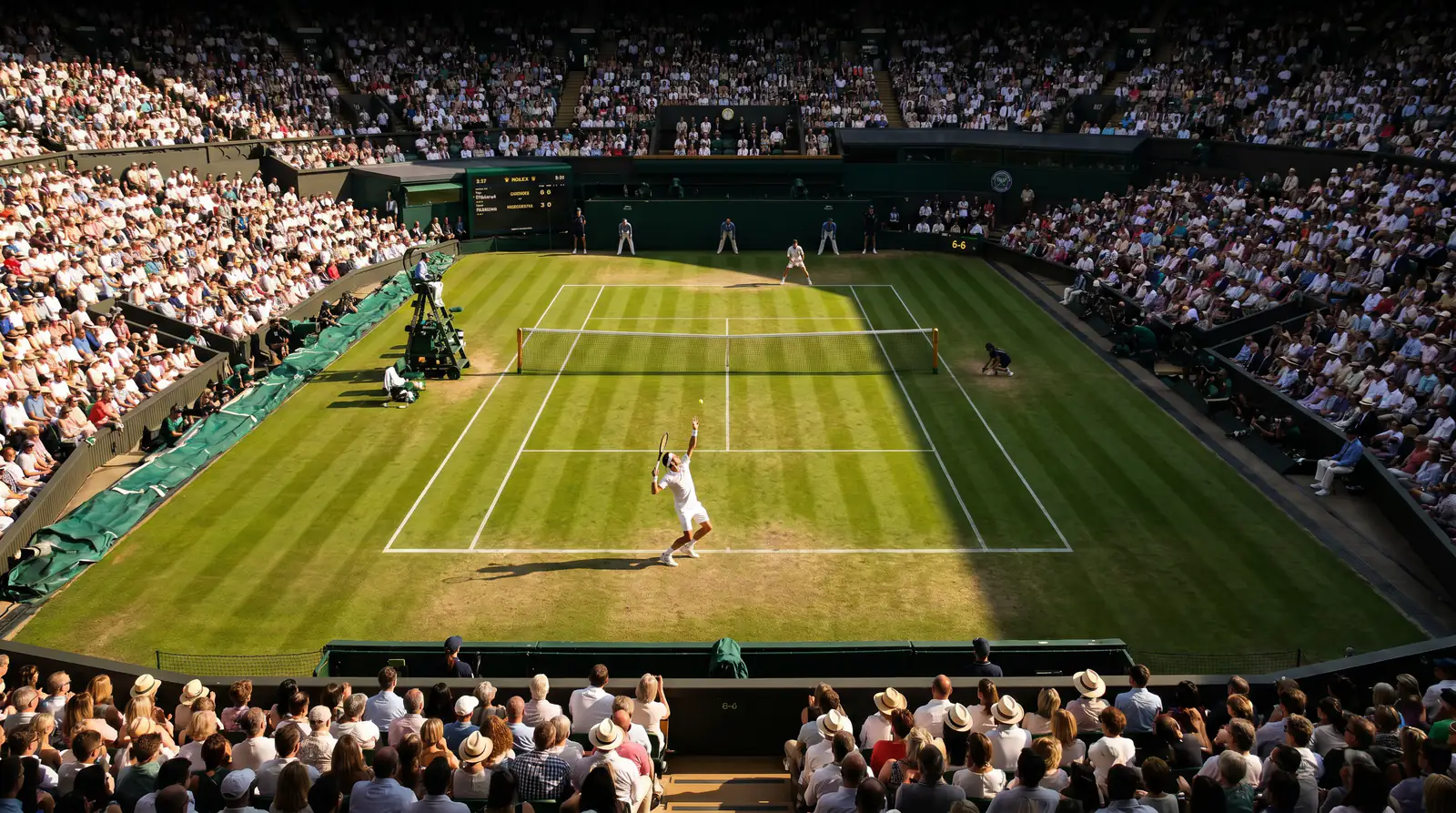
For the bettor, the format of the deciding set changes the maths of every market that could run into a fifth or third set. A guaranteed tie-break in the decider caps how long a match can run, which affects total-games lines and the likelihood of a final-set tie-break occurring. Because these rules have shifted and can differ from other tournaments, I always confirm the current deciding-set format before placing any market that depends on how the final set resolves. The neighbouring market, where you bet the combined length of the match rather than the tie-breaks within it, is total games, and the two are closely linked — I lay it out in my guide to Wimbledon total games betting.
What is Wimbledon’s final-set tie-break rule?
Wimbledon historically had no final-set tie-break, requiring a two-game margin in the decider, which produced some marathon final sets. The tournament now uses a deciding-set tie-break triggered at a set number of games all. Because the rule has changed over time and differs from some events, confirm the current year’s format before betting markets that hinge on the final set.
Can I bet on a tie-break in any given set?
Often yes. Many books offer markets on whether a specific set will reach a tie-break, as well as on the match containing one at all. These are bets on break frequency, so they are most attractive in serve-dominated matchups on grass where both players hold comfortably and sets are likely to grind to six games all.
