
 Available in US
Content
Where week-one value lives
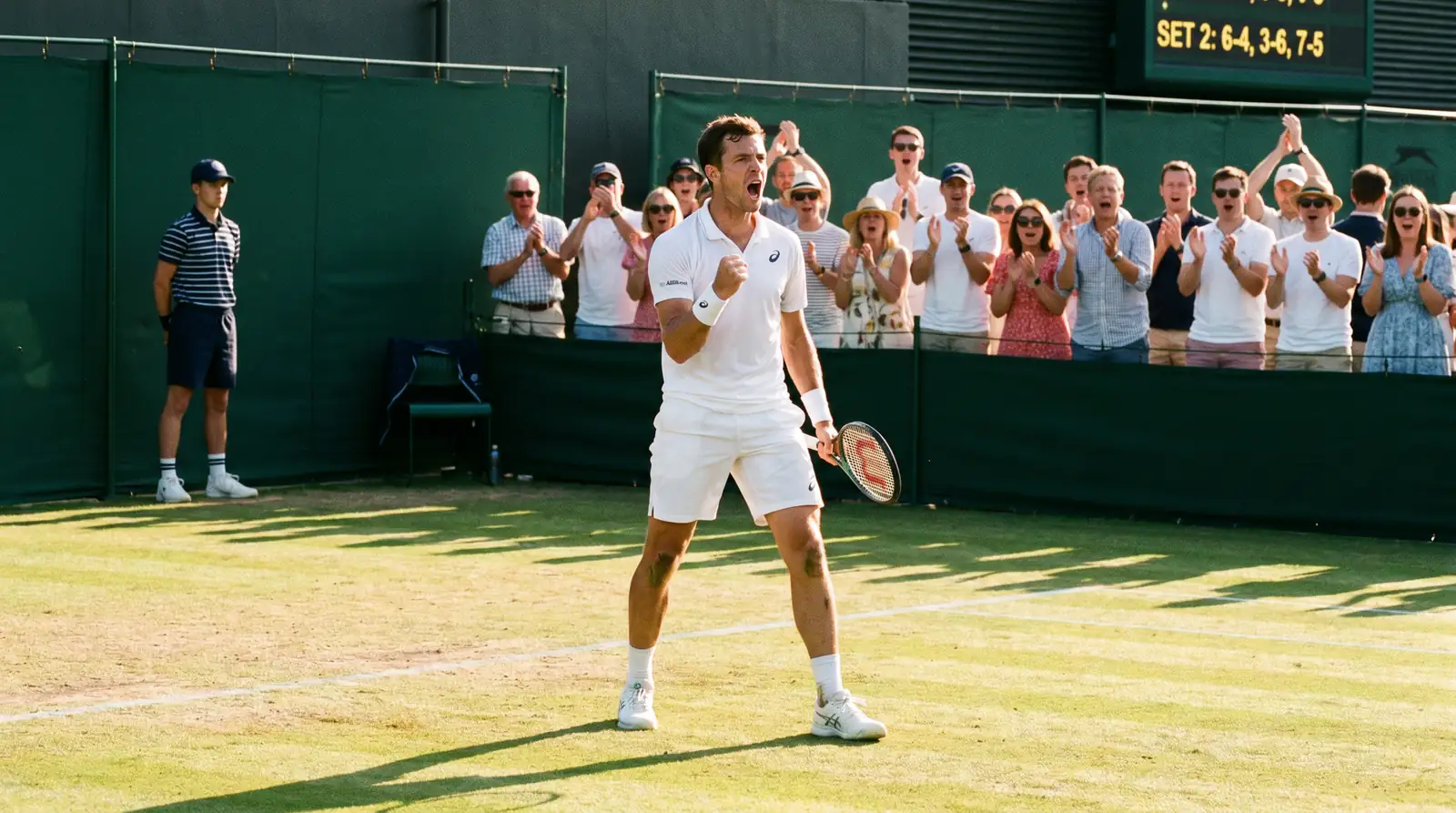
The first few days of Wimbledon are, for my money, the most profitable of the entire fortnight, and the reason is counterintuitive: the early rounds look the most predictable but are quietly the most upset-prone. Everyone assumes the seeds will stroll through, the prices reflect that assumption, and grass spends the opening week proving the assumption wrong more often than anyone expects.
A first-round upset is simply a lower-ranked player beating a seed in the opening round, and at Wimbledon the conditions for them are unusually ripe. The motivation gradient is part of it — that £66,000 first-round cheque, up 10 percent year on year, is a fortune to a lower-ranked player and a rounding error to a title contender, which sharpens the underdog’s commitment while the favourite manages his energy. Add a surface that flatters big servers and unsettles rhythm players, and week one becomes a happy hunting ground for the bettor willing to back chaos.
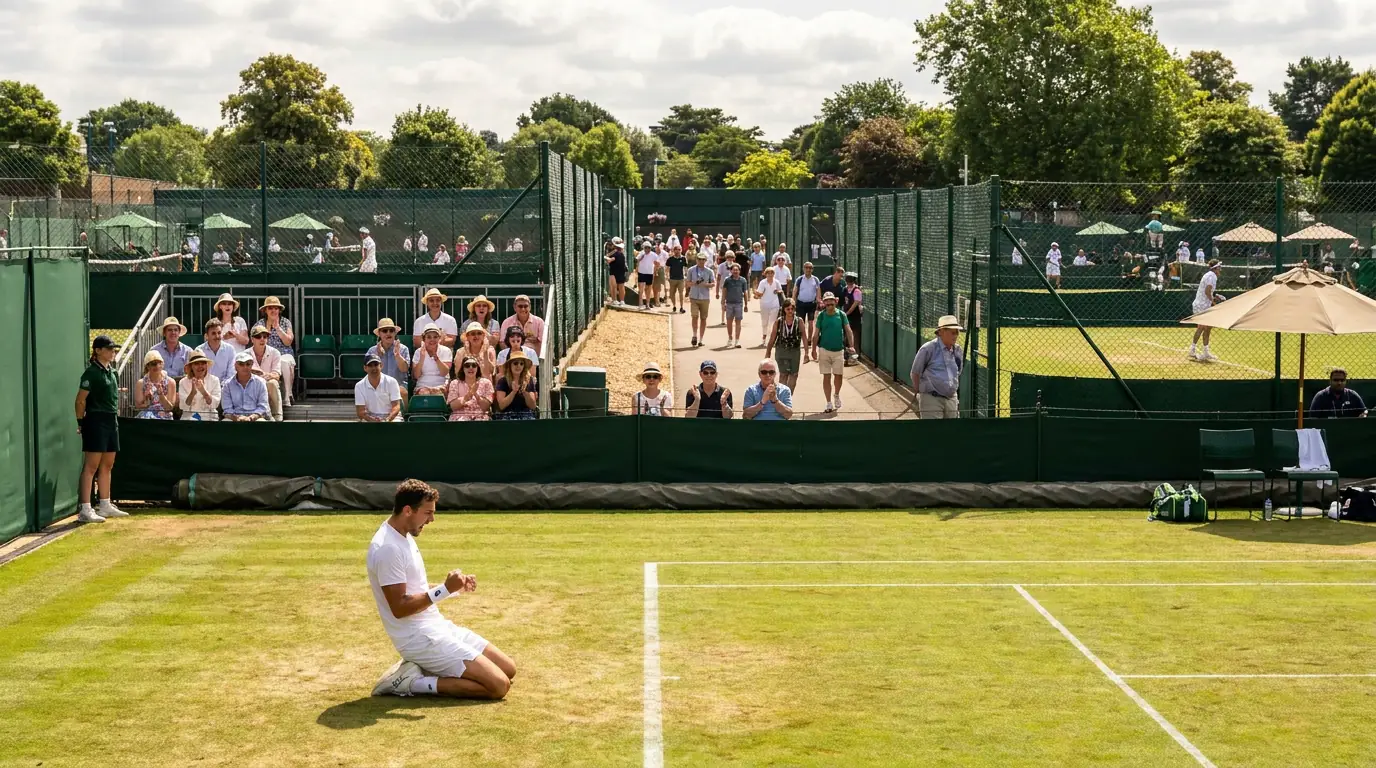
This is not about blindly backing underdogs. It is about understanding why grass breeds early upsets and learning to spot the specific ones the market has underpriced.
Why grass breeds early upsets
Grass is the great leveller of the opening rounds, and it comes down to a single mechanism: the surface compresses the gap between a great player and a dangerous one. On a slow court, superior players have time to grind down lesser opponents; on a fast lawn, a hot serve can keep anyone in a match.
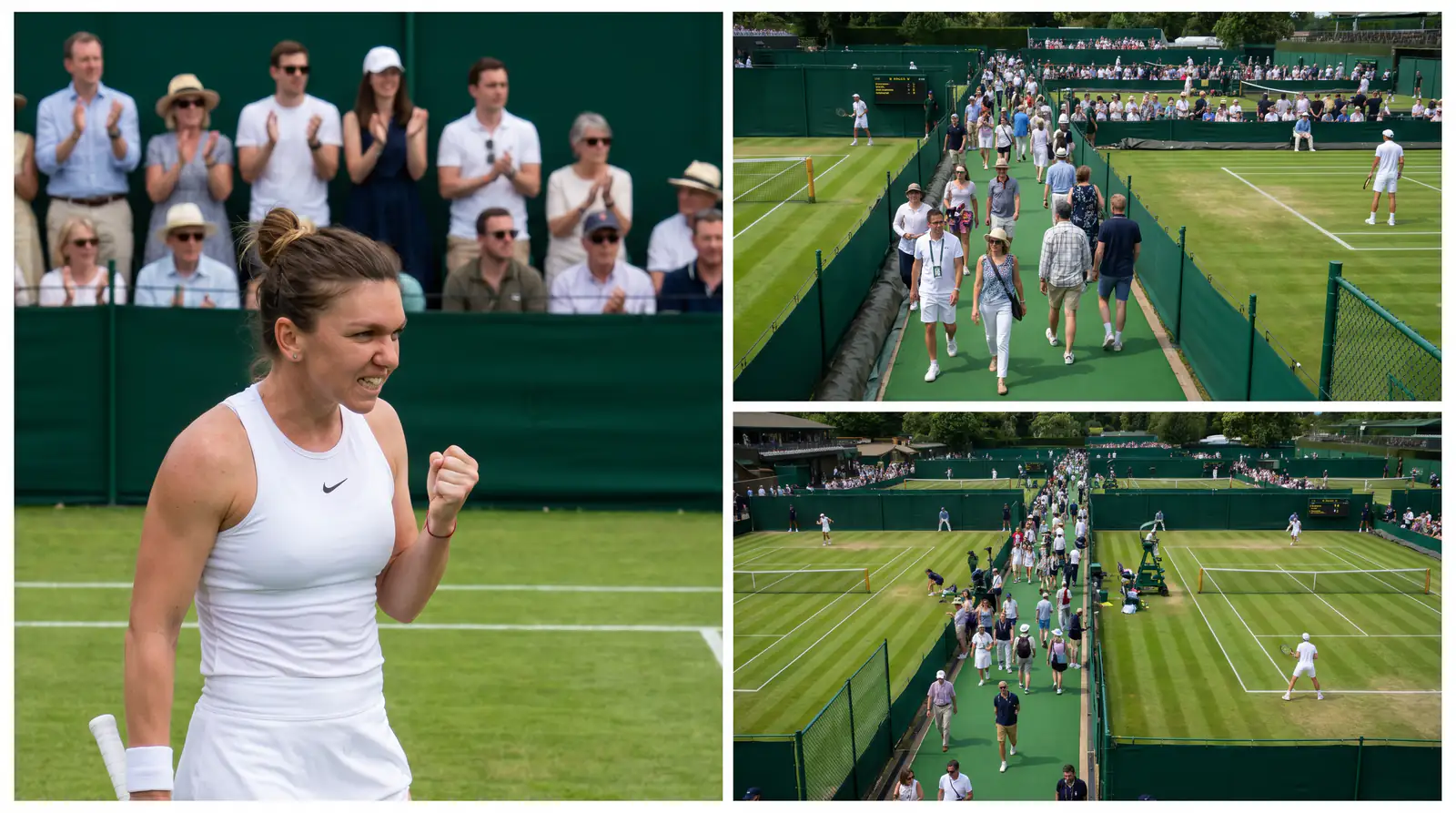
The serve is everything here. On grass, a big server can hold his delivery almost at will — top servers win well over seventy percent of points on their own serve on a fast surface — which means a lower-ranked player with a genuine weapon can stay level set after set without ever needing to outplay his more illustrious opponent from the baseline. Hold serve comfortably, sneak a break or nick a tie-break, and the upset is on. The favourite, who would dismantle this same opponent over a longer match on a slower surface, finds that grass denies him the time and the rallies he needs to assert his superiority. This is why the seeds are more vulnerable in week one at Wimbledon than at the other majors: the surface hands the server-led underdog a puncher’s chance, and early in the tournament, before the favourites have found their grass-court rhythm, that chance is at its highest.
The early timing matters as much as the surface. Players arrive at Wimbledon off a short grass season, sometimes barely match-tight on the surface, and a seed still adjusting his footing against a grass specialist in full flow is an upset waiting to happen.
Spotting an upset before the market
Finding the upset before the price reflects it is the whole skill, and my method is to look past the rankings to the matchup specifics that the market underweights in the rush of a packed opening few days. The market prices a hundred-odd first-round matches at once, and that volume means individual matchups get less scrutiny than they deserve.
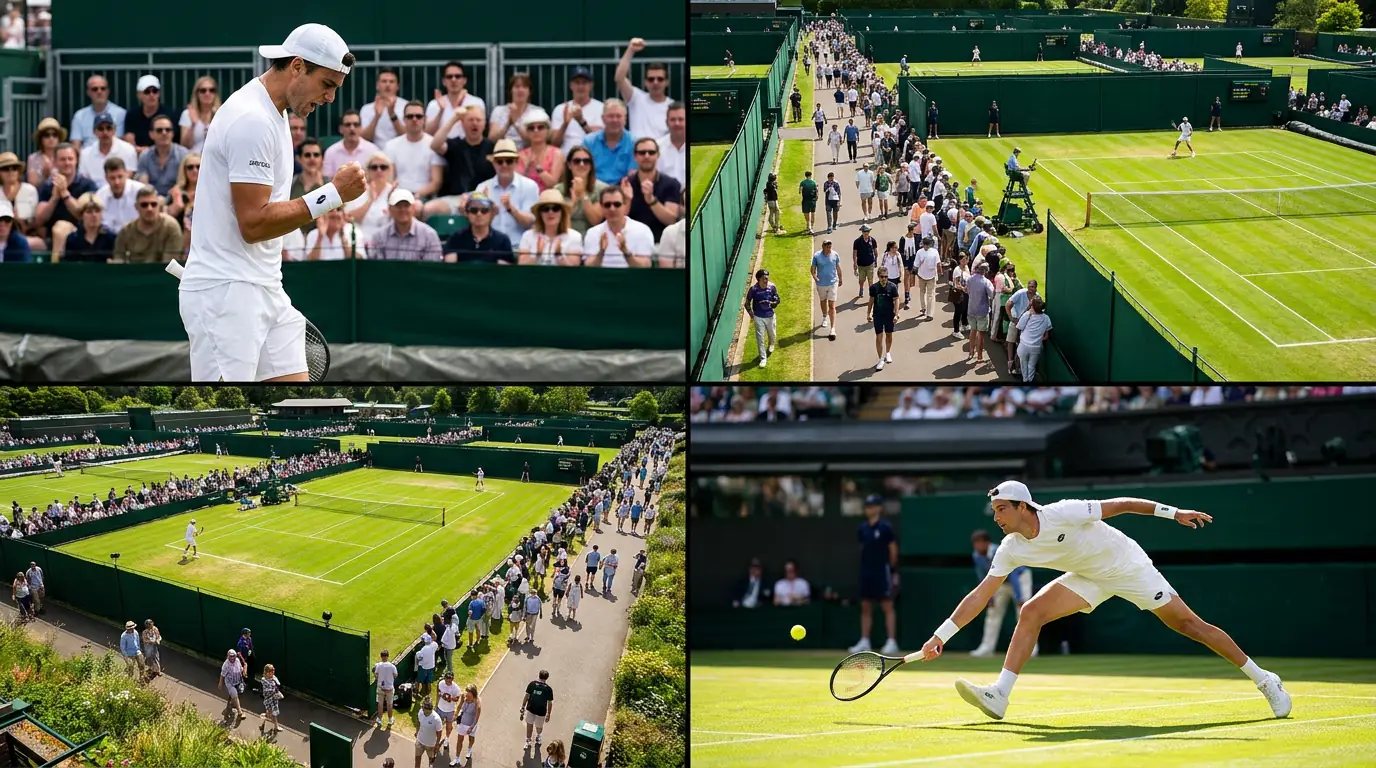
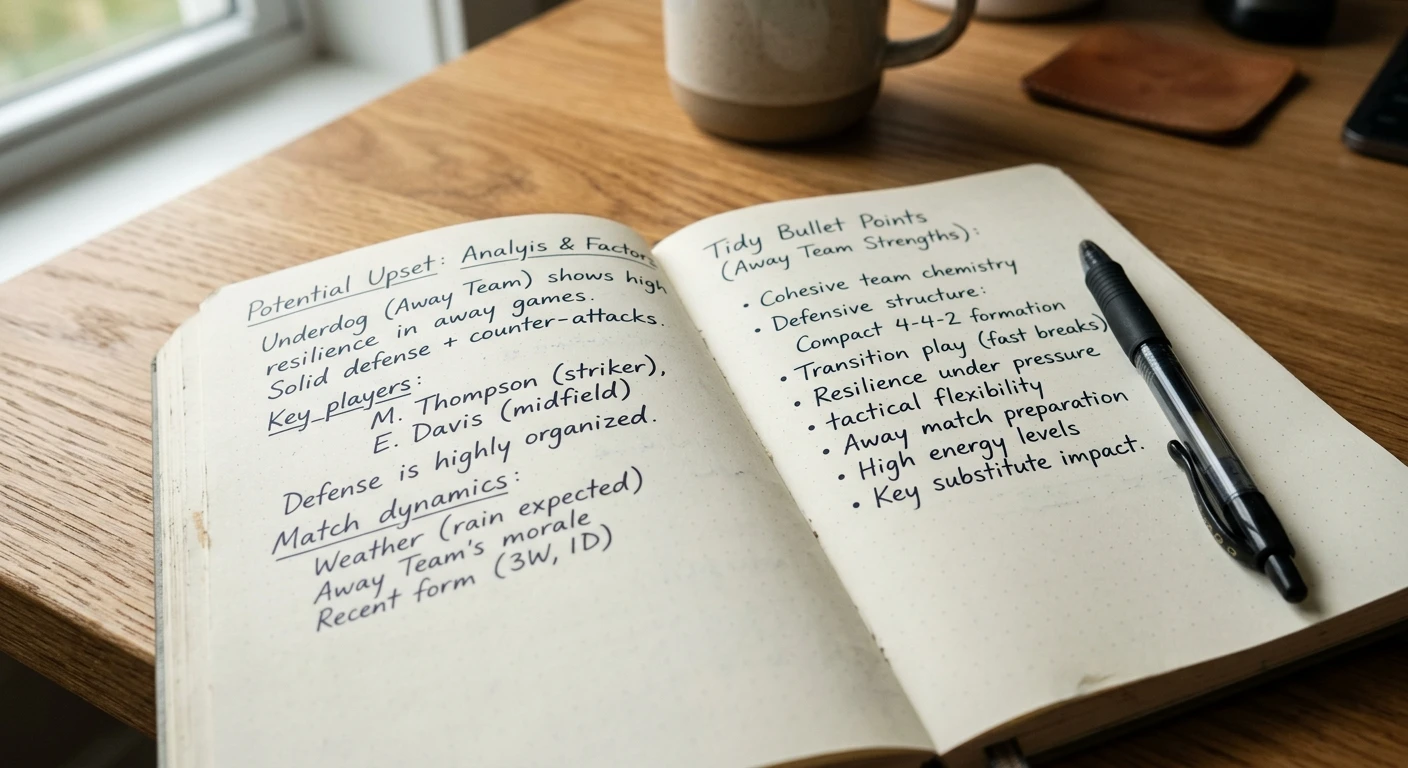
The profile I hunt for is the big-serving lower-ranked player drawn against a seed whose game does not travel to grass. A career ace rate tells the story — a server posting aces on around 18 percent of points is a categorically different threat on a lawn than a clay-court grinder managing nearer 7 percent, and when the former meets a vulnerable seed in round one, the upset price is often too long. I look specifically at how the underdog has been serving on grass in the lead-in, whether the seed has any history of early Wimbledon exits, and whether the favourite is a baseline rhythm player likely to struggle against a low, skidding ball. When those factors line up, the market’s price on the upset frequently lags the real chance, because it is anchored to the ranking gap rather than the surface-specific matchup. That gap is the bet.
The volume of first-round matches is what makes this possible. With more than sixty matches in each singles draw to price in a compressed window, the market simply cannot lavish attention on every one, so the obscure outside-court clash between a low-ranked bomber and a clay-suited seed gets a price built more on rankings than on grass-court reality. The marquee matches on the show courts are sharply priced because that is where the money and scrutiny go; the value lives on the courts with no cameras, where a careful read of the serving matchup can beat a price the market never had time to sharpen.
Staking opening-round longshots
Reading upsets well is only half the job; staking them sensibly is what turns a good read into a profit rather than a thrill. First-round upsets, by their nature, lose more often than they win, so they have to be staked as small, repeated positions, never as conviction bets you lean on.
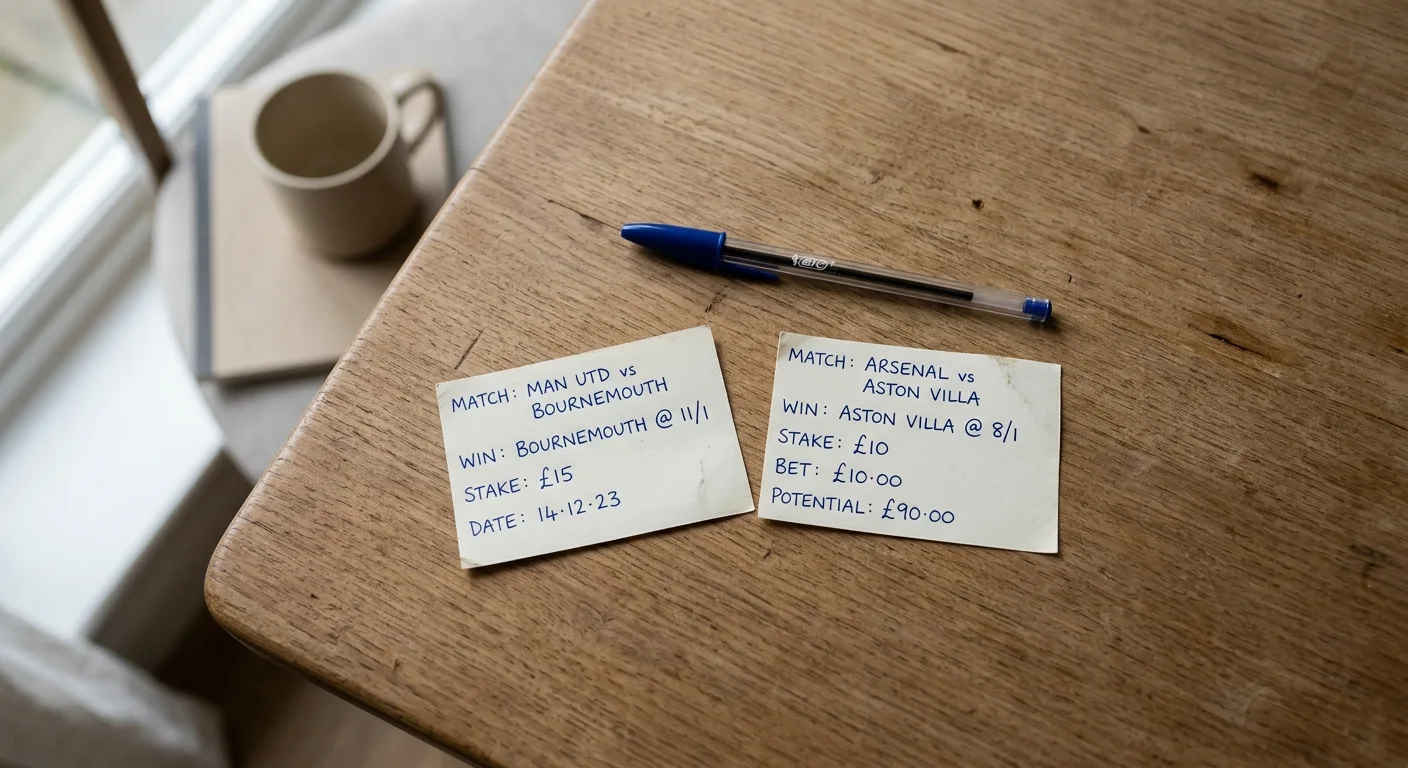
The discipline is the same one that governs all underdog betting: keep each stake small enough that a run of losers does not damage you, and treat a portfolio of week-one upset bets as a single combined position rather than a series of individual punts. If you back several server-led underdogs across the opening rounds at generous prices, you only need a couple to land to come out ahead — but only if the losers were small enough to absorb. The alternative to backing the outright upset, and often the safer expression of the same read, is the handicap: backing a live underdog on a plus-games line pays you for keeping the match close, which on a serve-dominated grass court is a far more frequent outcome than a full upset. Whether you back the upset or the handicap depends on how confident you are, but the staking principle never changes — small, disciplined, and never enough to hurt when the seed survives after all. The broader art of finding these underpriced outsiders runs right through the tournament, and I cover it in depth in my guide to Wimbledon dark horse bets.
Are first-round upsets more common on grass than clay?
Generally yes. Grass compresses the gap between players because a big server can hold almost at will, denying the favourite the long rallies needed to assert superiority. Combined with players arriving off a short grass season and not yet match-tight, this makes seeds more vulnerable in the opening rounds at Wimbledon than at the slower-surface majors.
Should I back the upset or the handicap?
It depends on your confidence. Backing the outright upset pays more but wins less often, so it suits strong reads staked small. Backing the underdog on a plus-games handicap pays you for keeping the match close, which on a serve-dominated grass court happens far more frequently than a full upset, making it the safer expression of the same view.
