
 Available in US
Content

Money, motivation and markets
Most bettors look at Wimbledon’s prize money as a piece of trivia — a big number to mention at a barbecue. I look at it as a motivation map. Every pound on offer at each stage of the tournament tells you something about how hard a player will fight to reach that stage, and motivation, especially in the unglamorous early rounds, is a genuine betting signal that the casual punter ignores entirely.
The scale is staggering. The total prize fund across the 2025 Championships reached £53.55 million, up seven percent on the year before, making Wimbledon one of the richest fortnights in sport. That money is not distributed evenly or randomly — it is structured to reward progress through the draw, and that structure shapes incentives in ways a sharp bettor can read.

This is not about betting on prize money directly. It is about using the financial architecture of the tournament to understand player behaviour, and turning that understanding into better reads on the markets that actually matter.
The 2025 prize fund, round by round
The defining feature of Wimbledon’s prize structure is how steeply it climbs. The rewards escalate dramatically with each round survived, which means the financial stakes of every individual match rise as the tournament progresses, and that escalation is the key to reading player motivation.
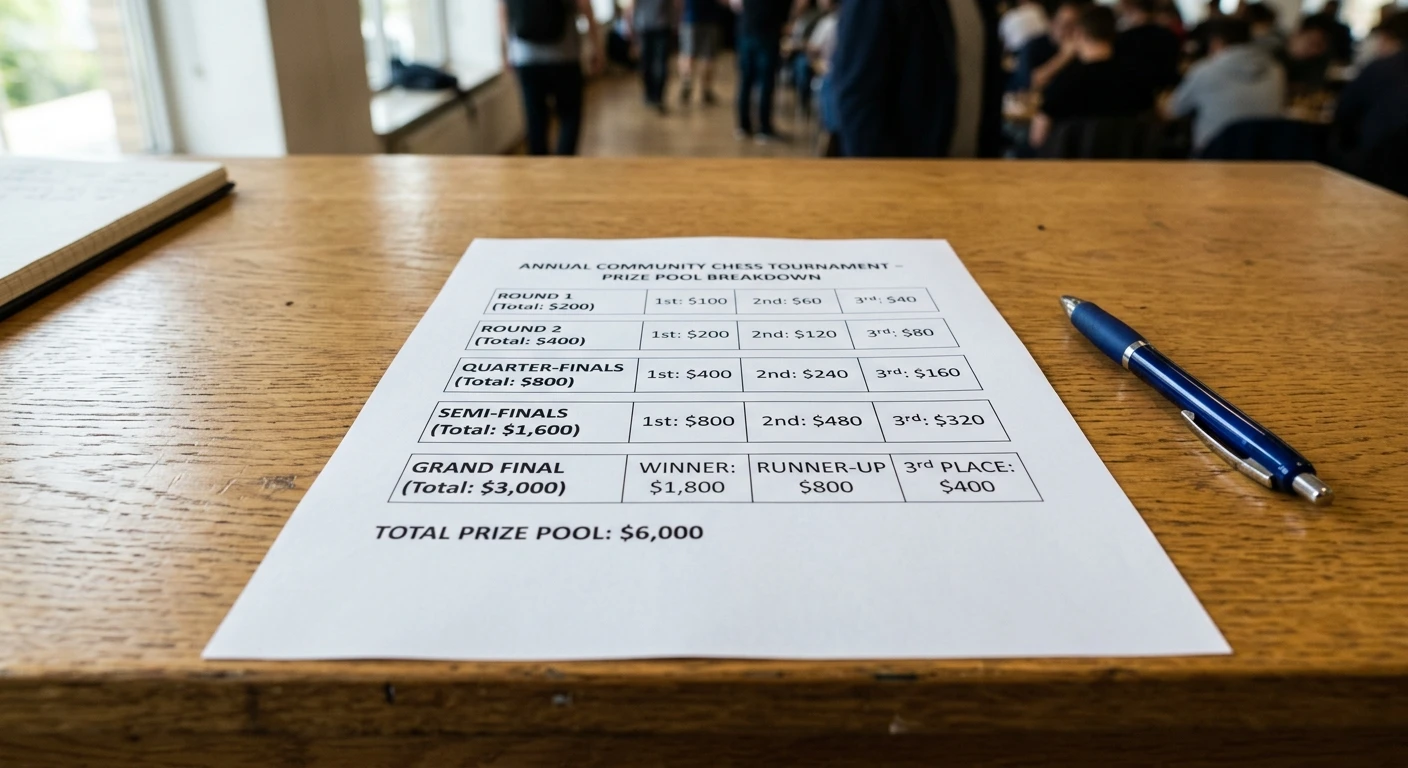
At the summit, the singles champions each took home a record £3 million in 2025, an 11.1 percent rise on the previous year. The beaten finalist still banked £1.52 million, a colossal sum that underlines how much is riding on each match deep in the draw. The distribution across disciplines was substantial too — singles accounted for £38.83 million of the fund, with doubles, mixed and wheelchair events sharing the rest. But the figure I find most instructive sits at the very bottom: a player losing in the first round still collected £66,000, up 10 percent year on year. That first-round cheque matters enormously for the betting picture, because it shapes the behaviour of the lower-ranked players who fill out the early draw.
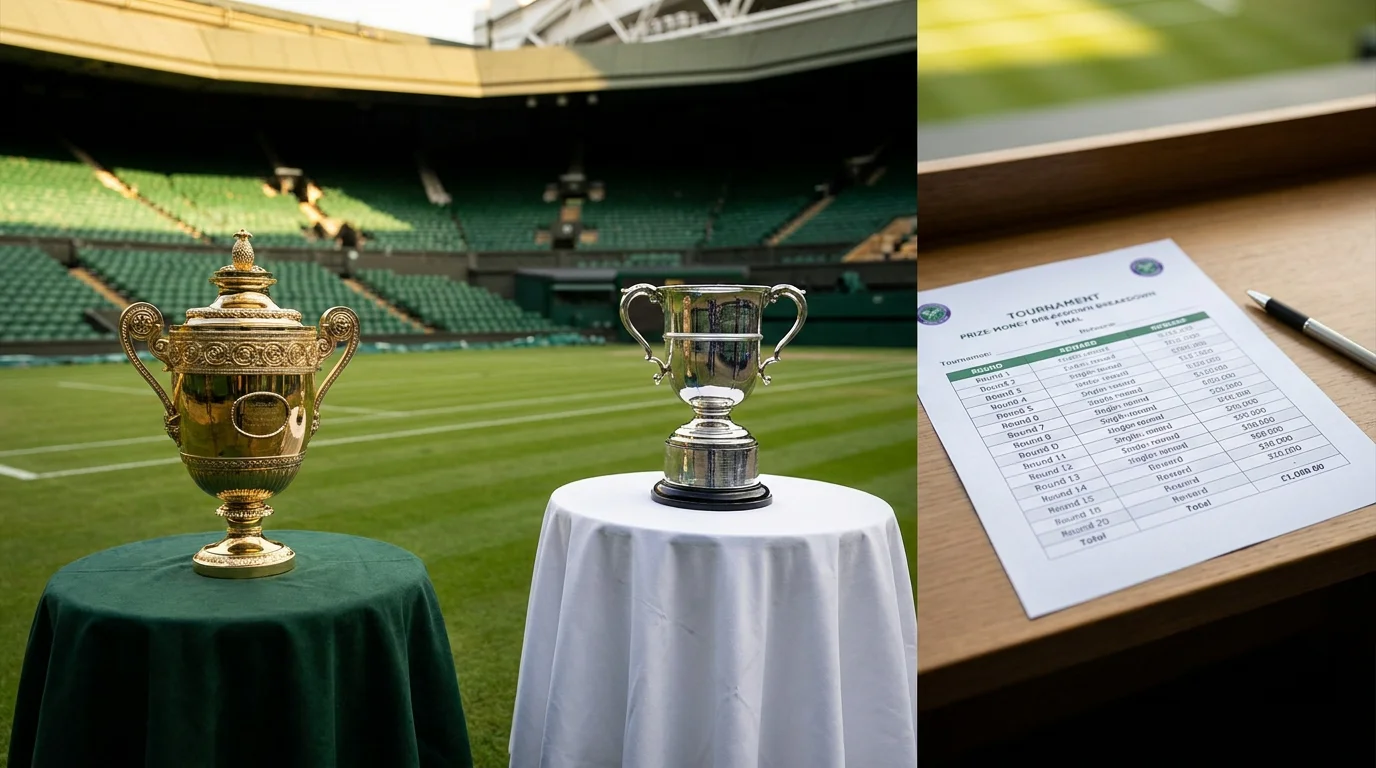
It is worth pausing on the breadth of that distribution, because it tells you something about the depth of the field. With £38.83 million dedicated to the singles alone, and meaningful sums flowing all the way down to first-round losers and across the doubles, mixed and wheelchair draws, Wimbledon draws the strongest and deepest field in tennis to compete for it. That depth is itself a betting factor: a richer, deeper field means the early rounds are more competitive than at a lesser event, with motivated lower-ranked players who have travelled and qualified precisely because the rewards justify the effort. The shape of this structure — modest but meaningful at the bottom, escalating to enormous at the top — is what creates the motivational dynamics worth betting on.
How stakes shape early-round bets
Here is where the prize structure becomes a practical edge. That £66,000 first-round payment is life-changing money for a player ranked outside the top hundred, and it transforms how hard the lower-ranked players in the draw compete in the opening rounds.
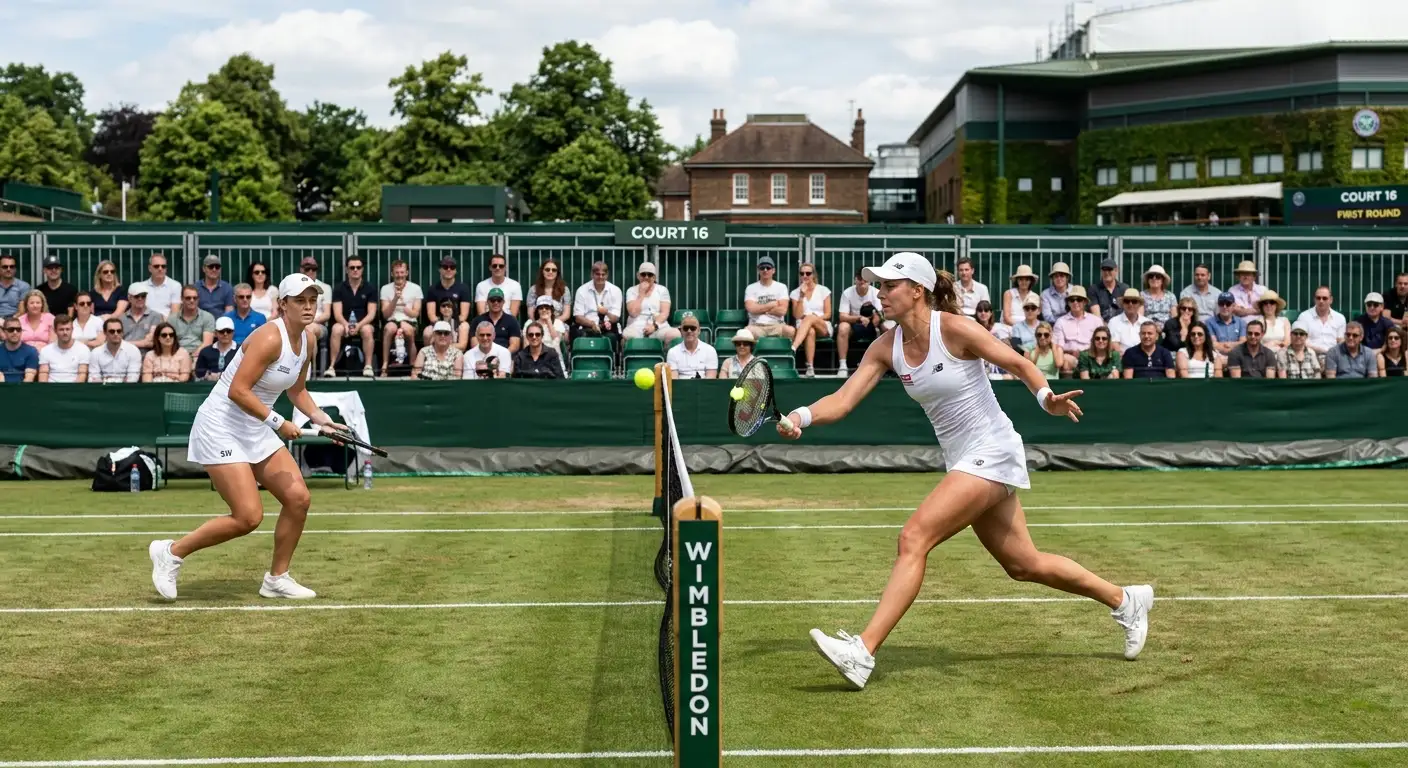
Think about what that cheque means to different players. For a top seed, £66,000 is a rounding error; he is playing for the title and the early rounds are a formality to be navigated without injury. For a qualifier or a low-ranked wildcard, that same sum might exceed his entire annual earnings, and he will leave everything on the court to claim it. This asymmetry of motivation is a real factor in early-round matches: the desperate underdog is fully committed while the favourite is managing his energy for the fortnight ahead, which can make first-round upsets and competitive scorelines more likely than the raw rankings suggest. The 10 percent year-on-year rise in that first-round money only sharpens the incentive. When I assess an opening-round match, I factor in not just ability but how much the result means financially to each player, because a hungry underdog playing for a career-defining payday is a more dangerous opponent than his ranking implies.
What it means for your card
Pulling this together into a betting approach is straightforward once you see the prize structure as a motivation gradient rather than a list of numbers. The principle is that financial incentive is highest, relative to a player’s normal earnings, exactly where the rankings are most spread out — the early rounds against the lower-ranked field.
In practice, this nudges me towards respecting underdogs and competitive markets in the first week, where the motivational gap between a title-chasing favourite and a payday-chasing outsider is widest. A first-round handicap on a hungry qualifier, or backing a competitive scoreline against a favourite cruising in second gear, can find value the rankings miss. As the tournament progresses and the prize money escalates into the millions, the motivation gap closes — by the quarter-finals everyone left is fully committed and playing for sums that matter to all of them, so this particular edge fades and pure ability reasserts itself.

There is a subtler reading of the prize ladder too, around how favourites manage their bodies. A top seed who knows the real money is in the second week has every incentive to win his early matches as economically as possible, conserving energy rather than chasing a crushing scoreline. That is why I am wary of backing big favourites to cover punishing handicaps in round one — they are often content to win in straight sets without putting their foot down, which keeps the margin tighter than their ability suggests. Reading the prize structure as a motivation map is most powerful early and least relevant late, which is exactly the opposite of where most bettors focus their attention. The week-one opportunities this creates are worth a closer look, and I dig into them specifically in my guide to Wimbledon first-round upset betting.
How much does a first-round loser earn at Wimbledon?
A player losing in the first round of the singles at Wimbledon collected £66,000 in 2025, up 10 percent on the previous year. While modest against the champion’s £3 million, it is a significant sum for lower-ranked players, often a meaningful share of their annual earnings, which is why it sharpens their motivation in opening-round matches.
Does prize money affect player motivation in early rounds?
It can, particularly for lower-ranked players. The first-round cheque is a rounding error for a title contender but potentially a career-defining sum for a qualifier or wildcard, creating a real asymmetry of motivation. A hungry underdog fully committed to a life-changing payday can be more dangerous in the opening rounds than the rankings alone suggest.
